Every summer seems to break another record: The hottest day, the longest heatwave, another drought, another wildfire, another neighbourhood underwater after extreme rainfall. It does not have to be this way, there are many climate solutions already in place and working.
We can all feel it: climate change is no longer something we imagine happening in a few decades from now. Already now schools are closing because classrooms are too hot. Our energy bills are soaring from running fans and air conditioning. We suffer sleepless nights in overheated apartments and struggle through another week of extreme temperatures.
The climate crisis is no longer a warning. It’s become our daily reality.
But while these warnings matter, they often leave us with the feeling that the future of our climate is something happening to us rather than something we still have the power to shape.
We, the Greens/EFA in the European Parliament, believe in a different story. Not one that ignores the crisis, but one that reminds us that many of the solutions already exist. Because they do.
It doesn’t have to be this way – we have the climate solutions for a better life
Just imagine for a moment that you are stepping outside on a hot July afternoon in a few years time.
Instead of endless concrete radiating heat, tree-lined streets provide shade. Trams glide quietly through green streets. Rooftop gardens cool buildings naturally. Solar panels blend into homes, schools and apartment blocks, producing clean electricity just above our heads.
Children play safely in parks instead of hiding indoors from dangerous temperatures. Rivers have room to flood without destroying homes. Wind turbines on the horizon quietly power communities. Neighbours jointly own local energy projects, keeping both profits and power close to home.
This vision isn’t science fiction. It’s a future that cities, communities and businesses are already building today in Europe.
Here are our ten favourite climate solutions already within reach:
1. Cooler cities for a warmer world
Heatwaves are becoming one of Europe’s biggest climate risks, especially in cities where concrete and asphalt trap heat long after the sun has gone down.
But cities don’t have to overheat.
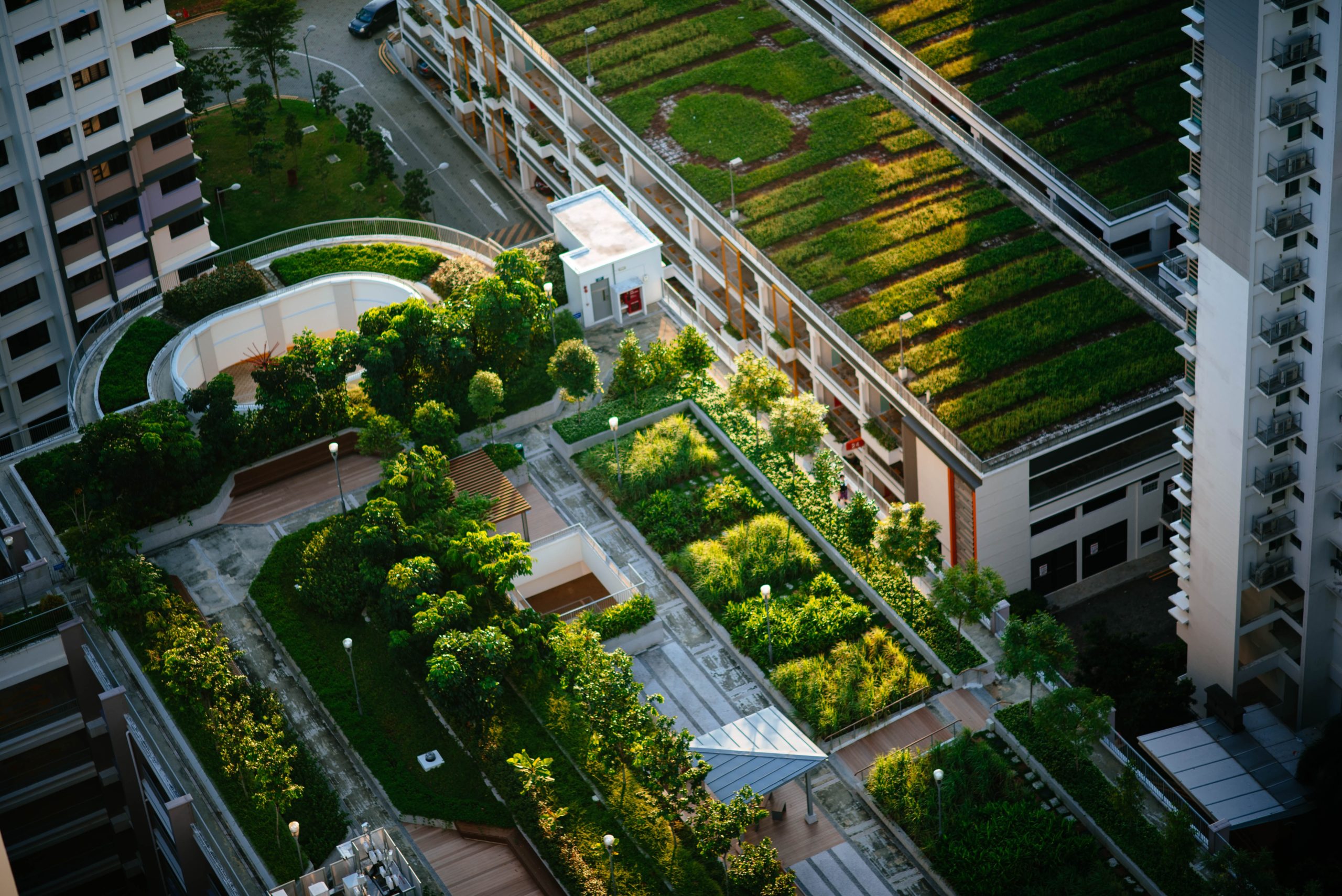
Trees, parks, green roofs, shaded streets and water fountains can reduce temperatures, improve air quality and make urban neighbourhoods far more pleasant places to spend time. Designing cities with people and nature in mind doesn’t just help during extreme weather, it improves everyday life throughout the year.
We want summer that you can enjoy in public places and parks – and not having to search for the nearest air-conditioned building.
2. The answer might already be on your roof
One of Europe’s greatest renewable energy resources is already sitting above our heads.
Homes, schools, apartment buildings, factories and supermarkets all have rooftops that can generate clean electricity. Solar power has become one of the fastest-growing and most affordable sources of energy, helping households lower bills while reducing dependence on fossil fuels.
Every roof has the potential to become part of Europe’s green energy system. Instead of simply consuming energy, our buildings can help produce it. The solutions are here, the answer might just be on your roof.
3. Let the wind pay our bills
If you walk along the coast or through the countryside today, you will often come across the sight of wind turbines turning slowly on the horizon. They’ve become a familiar part of the landscape because they are quietly doing an enormous amount of work.
On windy days they produce electricity for millions of our homes, reducing our dependence on imported fossil fuels and making our energy supply more secure. Once they’re built, the fuel never has to be bought. The wind simply keeps on giving.
That matters for the climate of course, but it also matters every time energy prices become a political issue. Let’s say goodbye to fossil fuels and let the wind pay your electricity bills.
4. Electrifying everyday life
Moving away from fossil fuels isn’t only about producing cleaner electricity. It’s also about using that electricity more efficiently.
Electric buses make city streets quieter and the air cleaner. E-bikes are often the fastest way to get to school or to work. Heat pumps keep homes warm in winter and cool in summer while using far less energy than regular heating. Electric trains connect regions with lower emissions, and induction cooking offers a cleaner alternative in our kitchens.
But electrification also means that whole industries have to shift to run on electric power rather than on fossil fuels. In the long run this will reduce energy costs for those who do make the change.
Electrification often sounds technical, but in practice it means homes that are more comfortable, transport that is cleaner and energy systems that waste less.
Leaving fossil fuels in the past will literally feel electrifying.
5. Learning to live with water again
As the climate changes, many places are experiencing longer droughts punctuated by heavier rainfall. But dry soil can’t take up as much water as soil that gets rained on regularly.
For decades, we tried to force rivers into narrow channels and pave over wetlands. We Greens have always known that working with nature is more effective than fighting it.
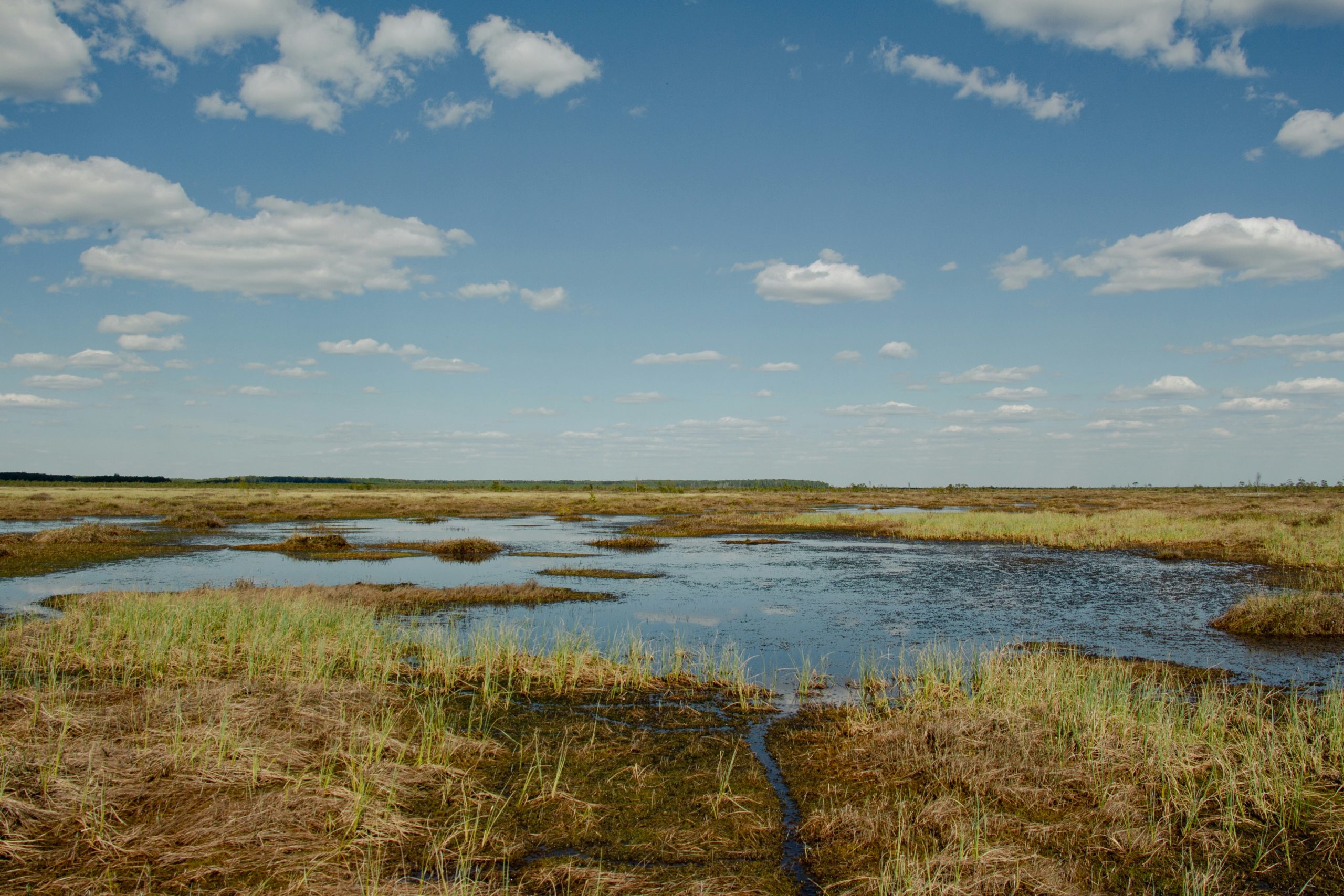
Restored rivers, wetlands, rain gardens and so-called sponge cities absorb excess water, reducing flood risks while creating greener and healthier places to live.
Nature is one of our best flood defences, let her thrive.
6. Bring back nature to the city
It’s easy to think of nature as something separate from our towns and cities, somewhere we visit at the weekend.
But in and around cities, nature works for us every day: Trees cool our streets. Wetlands soak up floodwater. Healthy soils hold onto water during dry spells. Bees and other pollinators help produce the food we eat.
Looking after nature isn’t only about protecting wildlife. It also makes our neighbourhoods healthier, cooler and better prepared for a changing climate.
Heatwaves are bearable, if we have nature close to us.
7. Streets made for people, not only for cars
Think of your favourite street. It probably isn’t your favourite because of the traffic.
It’s where you can walk comfortably, cycle without worrying, catch a tram that arrives on time or sit outside enjoying a coffee with a friend without shouting over passing cars.
Across Europe, cities are rediscovering that streets are public spaces as much as transport corridors. More cycling lanes, reliable public transport and wider pavements don’t just reduce emissions. They make everyday journeys easier and neighbourhoods more pleasant to live in.
When we’re offering cleaner mobility we’re not taking away choices from people, we are creating better ones.
And soon your weather app will say: Today – bearable temperatures and good air quality.
8. Energy that belongs to you and me
Renewable energy doesn’t have to belong only to governments or large companies.
Across Europe, local energy cooperatives are allowing neighbours to invest together in solar panels and wind projects, generating electricity while keeping the benefits within their communities.
Community energy creates more than clean power. It builds resilience, strengthens local economies and gives citizens a direct stake in the energy transition.
The people have the power – and it’s wind and sun!
9. The unsung heroes of climate action
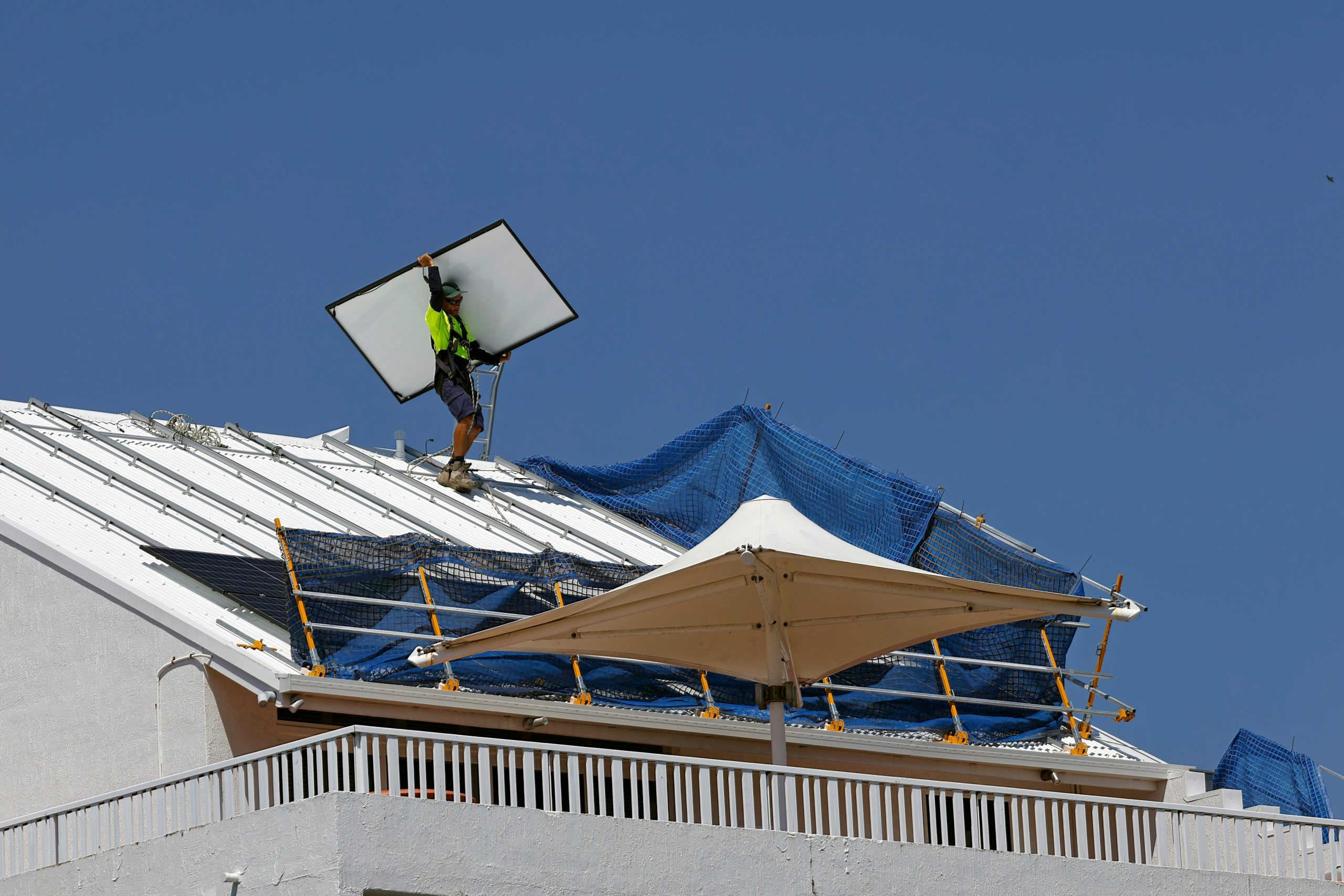
Drive through any European city and you’ll see signs of the climate transition already under way. Roofers are installing solar panels. Builders are insulating older homes. Electricians are fitting heat pumps. Engineers are developing cleaner steel production and expanding electricity networks.
These are skilled jobs rooted in local communities. They can’t easily be outsourced and they’re likely to be needed for decades to come.
For many young Europeans, climate action is becoming not only a political goal but also a career.
10. Making polluters pay
Climate solutions also depend on getting the economic incentives right.
For too long, the costs of pollution have been shared by everyone through poorer health, rising temperatures and increasingly expensive climate impacts, while many of those responsible have not paid the cost of the damage they cause.
Policies such as the EU Emissions Trading System are based on a simple principle: the biggest polluters should pay for their emissions.
As pollution becomes more expensive, clean technologies become more competitive. We will use the revenues to invest in renewable energy, cleaner transport, home renovations and support for households during the transition.
It does not have to be this hot – the green future is underway
None of these ideas are science fiction. It’s real-life climate action unfolding every day.
Across Europe, cities are planting urban forests. Schools are installing solar panels. Communities are generating their own electricity. Rivers are being restored. New tram lines are replacing traffic. Factories are producing green steel. Young people are finding careers in the industries that will power the decades ahead.
We don’t have to come up with the solutions, they already exist. The question is how quickly we can scale them to create a better life for all of us.
And if we choose wisely, it can be greener, cooler, fairer and more resilient than the one we’re leaving behind.
So that in a few years it’s just you and me and cooler summers ahead.