We all want to know that the food on our plates is safe. That the apples we give to our children, the vegetables we buy at the market and the bread we eat every morning are good for our health.
We also want farmers to earn a fair living, protect their crops and grow the food we need. And we want a food system that works with nature, not against it.
This is our vision: a Europe where healthy food is the easy choice, where farmers have access to safer ways to protect their crops, and where our health and environment come before the profits of the pesticide industry.
But this vision is at risk.
The European Commission wants to change the rules that control pesticides in Europe. Its proposal, called the Food and Feed Safety Omnibus, is presented as a way to simplify the approval and control of pesticides.
Yet some of the proposed changes could make it easier for harmful pesticides to remain on the market for longer, while reducing the checks that protect people and nature.
We need a better system, not weaker protections.
Why pesticide rules matter for the food we eat
Pesticides are chemicals used to protect crops against insects, weeds and plant diseases. They can help farmers manage pests, but they can also have serious effects on human health and the environment.
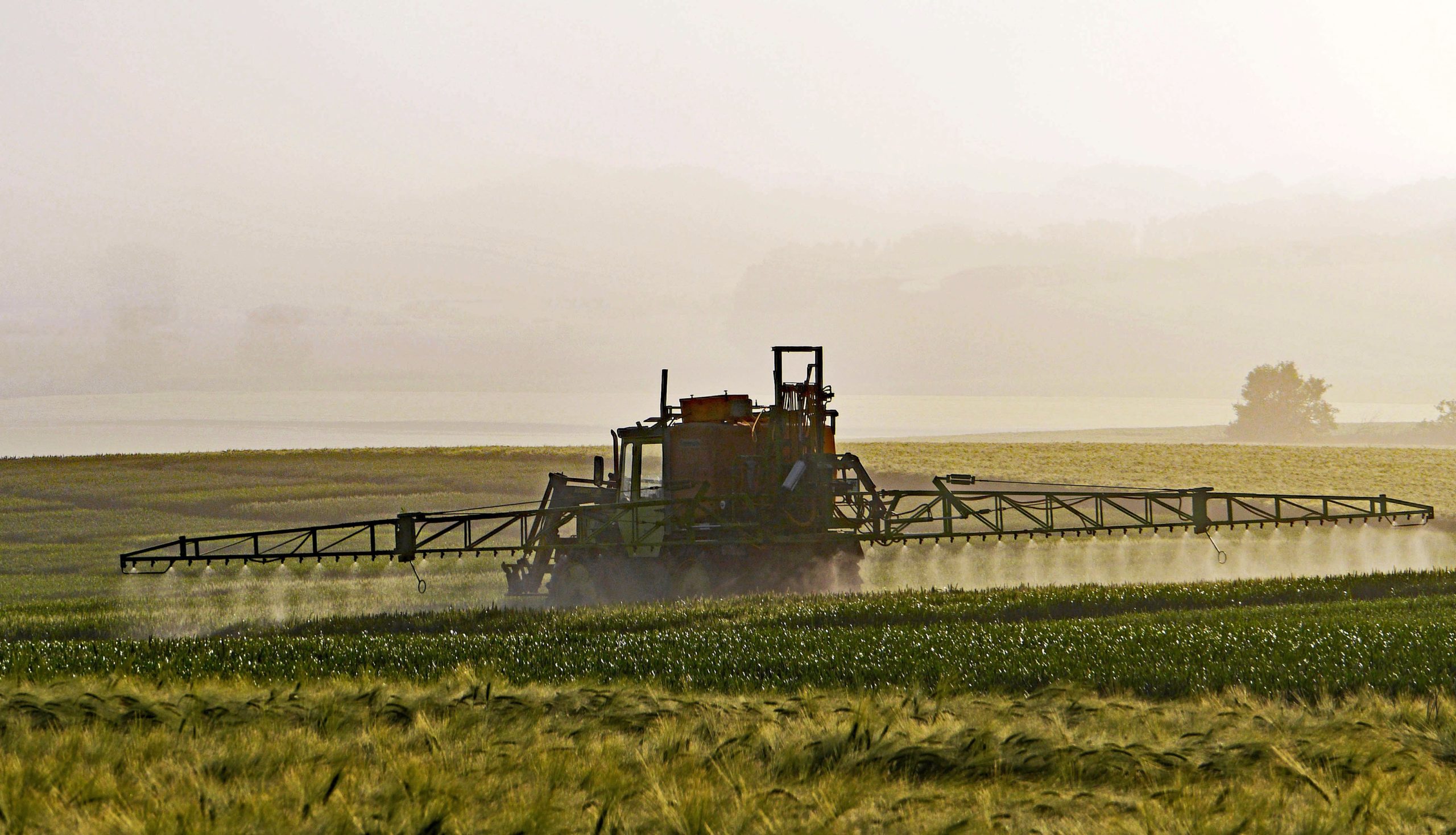
People can be exposed to pesticides in different ways. Farmers and agricultural workers may come into direct contact with them while working. Nearby communities can be exposed through pesticide drift. And consumers can come into contact with pesticide residues through food and water.
The effects depend on the substance, the level of exposure and how often someone comes into contact with it.
Some pesticides can cause immediate health problems, such as skin irritation, headaches or nausea. Exposure to certain substances has also been linked to more serious health concerns, including neurological disorders and some cancers.
Pesticides can harm more than human health. They can pollute water and soil, damage ecosystems and kill insects and other wildlife that are important for healthy farming.
This matters to all of us. Healthy food does not begin in the supermarket. It begins in the soil, in the fields and in the way we grow our crops.
What is the Food and Feed Safety Omnibus?
The European Commission has proposed a package of changes to EU rules on food and feed safety, including the system used to approve and control pesticides.
The Commission says the changes will simplify procedures and reduce administrative work.
But simplification is not always an improvement.
The current system requires pesticides to undergo scientific assessment before they can be approved for use. Their approval is also reviewed regularly, so new scientific evidence can be considered and risks can be reassessed.
This is important because science does not stand still. New research can reveal risks that were not known when a substance was first approved.
The proposed changes could weaken some of these safeguards.
In particular, they would make it possible for certain pesticide approvals to last indefinitely, broaden the conditions under which banned pesticides can be used in exceptional cases, and extend the time during which pesticides can remain available after their approval ends.
These changes may sound technical. But they have very real consequences for the food we eat, the environment around us and the people who work in agriculture.
What is at stake for consumers?
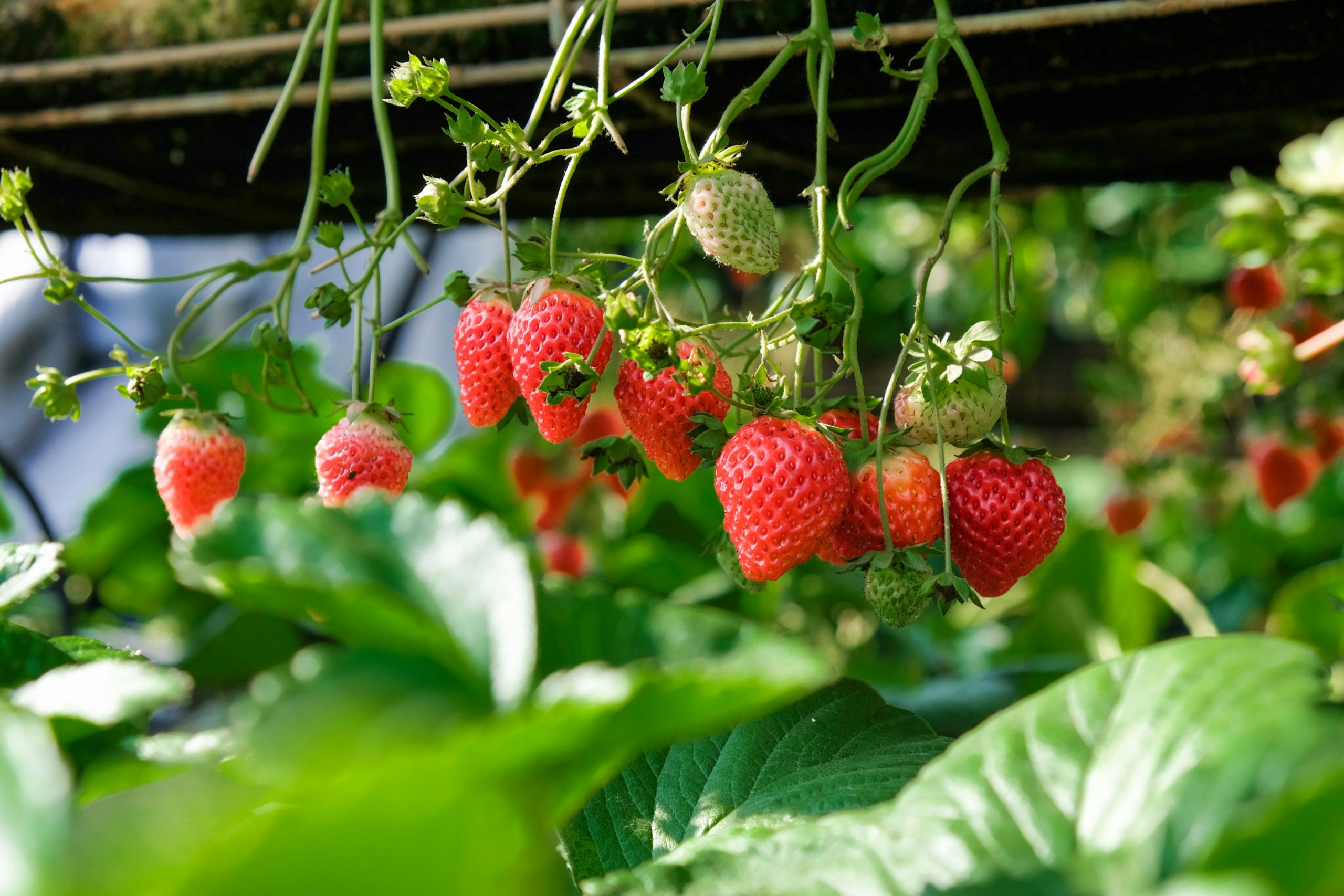
Imagine buying fresh strawberries for your family. You expect them to be safe. You do not want to have to research every chemical used to grow them or understand the latest changes in pesticide approval rules. That is why food safety cannot depend only on individual choices. It needs strong public rules, reliable scientific assessments and effective checks.
Consumers should be able to trust that the food they buy meets high safety standards.
If pesticide approvals become less frequent or harmful substances remain on the market for longer, the system could become slower to respond to new evidence of risk.
The proposed changes could also affect consumer confidence. People have a right to know that the food they eat is produced under strong safety standards. This includes knowing that pesticides are properly assessed, that emerging risks are taken seriously and that harmful substances are removed when necessary.
Food safety is not a luxury. It is a basic part of protecting public health.
Large-scale use of pesticides is linked to many neurological disorders, various types of cancer and autoimmune diseases. If adopted, this proposal would seriously weaken the safeguards of EU’s pesticide rules and bring unacceptable risk to people’s health and the environment. We need to start prioritising people over profits and invest in an alternative and better agriculture system that will be safe for people and the environment.
Why the proposal puts the burden on the public
One of the biggest concerns is that the proposal could shift more responsibility for monitoring pesticide risks from the companies that produce them to public authorities. Today, companies seeking approval for pesticides must provide evidence that their products meet EU safety requirements.
Under the proposed changes, regular reassessments would be removed for certain approvals. Public authorities would then need to monitor new scientific evidence, identify potential risks and decide when further checks are needed. That means more responsibility for public authorities, which already face limited resources and scientific assessment backlogs.
It also raises a basic question: who should pay for pesticide safety?
The companies that produce and sell pesticides make money from these products. They should remain responsible for demonstrating that their products are safe.
Public authorities must have the resources to assess the evidence, but taxpayers should not be left to carry the main responsibility for monitoring products that private companies profit from.
And citizens should not have to prove that a pesticide is dangerous before action is taken.
Three changes that could weaken pesticide safety
The proposal includes several changes that could have long-term consequences for people and the environment.
1. Pesticide approvals could become unlimited
Under the current system, pesticide approvals are time-limited and require regular reassessment. The Commission’s proposal would allow certain approvals to continue indefinitely. This is a problem because new scientific evidence can change what we know about the safety of a substance. Regular reassessments help ensure that pesticides remain safe over time. Removing them risks allowing harmful substances to stay on the market without the same level of routine scrutiny.
2. Banned pesticides could remain in use for longer
The proposal would broaden the conditions under which pesticides that do not meet normal safety requirements could still be used in exceptional cases. Emergency measures should remain exceptional. They should only be considered when there is a genuine and serious threat to plant health and no reasonable alternative. Economic interests or the desire to avoid lower crop yields should not be enough to justify using pesticides that fail EU safety standards.
3. Harmful pesticides could take longer to disappear
When a pesticide approval ends, there is usually a limited period during which products can still be sold or used. The proposal would extend these periods in some cases. That means harmful pesticides could remain in circulation for longer, even after their approval has ended. If a substance poses unacceptable risks, it should be withdrawn as quickly as possible.
Europe needs better pesticide rules, not weaker ones
We agree that the current system can be improved. But the answer is not to remove important safety checks. Scientific assessments can take too long. National authorities need more resources. New evidence must be considered quickly. And farmers need access to safer alternatives.
But that should mean strengthening the European Food Safety Authority (EFSA), giving national authorities the resources they need and improving cooperation between countries. We need to invest in the people and organisations responsible for protecting our health and environment. Digital tools and more standardised procedures can also help make assessments faster and more efficient.
The goal is clear: a system that works better, responds faster and keeps strong protections in place.
A better future for farming is possible
Protecting people from harmful pesticides does not mean leaving farmers without solutions. Across Europe, farmers, researchers and businesses are already developing better ways to protect crops. Organic farming and integrated pest management can help reduce the use of chemical pesticides. Integrated pest management means preventing and controlling pests through a combination of methods. These can include crop rotation, choosing resistant crop varieties, improving soil health and using natural ways to control pests. Biocontrols are another promising solution.
They use natural organisms or substances, such as beneficial insects, bacteria or plant-based products, to protect crops. Europe has strong research and innovation in this area.
But many promising alternatives face slow approval processes designed mainly for conventional chemical pesticides. We need a dedicated green lane for genuinely low-risk biocontrol products. x^This would mean prioritising their scientific assessment and adapting procedures to their specific characteristics, without compromising health or environmental protection.
Farmers should be able to access safer alternatives more easily. And European businesses developing these solutions should have the opportunity to grow, create jobs and make Europe a leader in sustainable crop protection.
“Europe is a leading innovator for biocontrol solutions, yet they can’t enter the market because the system is built for conventional pesticides. Biocontrol innovations are essential to get rid of chemical pesticides. This way we don’t have to choose between health and profit. Our farmers deserve safe and green alternatives to protect their crops. European start-ups working on biocontrol solutions deserve to stay and flourish in the EU, instead of the US, to make our continent a leader in sustainable crop protection.”
Safer food, stronger farms, a greener future
The future of food should not be a choice between protecting our health and supporting farmers. We know that we can do both. Europe has the scientific expertise, the innovative businesses and the farming knowledge to reduce pesticide use and build a healthier food system.
What we need is the political will to invest in that transition.
Instead of weakening pesticide rules, we should make them work better. Instead of making harmful chemicals easier to keep on the market, we should make safer alternatives easier to use. And instead of asking consumers to carry the responsibility for food safety, we should ensure that strong public rules protect everyone.
Healthy food should not depend on where you live, how much you earn or how much time you have to check a label. It should be something everyone can trust.
Six priorities for safer food and healthier farming
We want Europe to build a food system that protects people, supports farmers and works with nature. The Greens/EFA priorities for good food are:
- No unlimited pesticide approvals. Keep regular reassessments and make them faster and more efficient.
- Keep responsibility with pesticide producers. Companies must continue to demonstrate that their products are safe.
- Keep emergency exemptions exceptional. Only allow them when there is a genuine plant-health emergency and no reasonable alternative.
- Withdraw harmful pesticides quickly. Do not extend the time they can be sold or used after approval ends.
- Speed up safer alternatives. Create a green lane for low-risk biocontrol products and help farmers access them.
- Apply equivalent standards to imported food. Food entering Europe should not be allowed higher residues of pesticides banned in the EU because of unacceptable health or environmental risks.
These measures would protect consumers while helping farmers move towards more sustainable agriculture. They would also create better conditions for European innovators developing alternatives to conventional chemical pesticides.