+++ 21.11.2022 Update on the outcome of COP27 by Bas Eickhout MEP: “We finally have a fund for loss and damages – but still not enough climate action.”

This year, at COP27, we lost a crucial year for ambitious climate action.

Last year in Glasgow, the world agreed to speed up the process of setting five-year targets. Countries were asked to hand in new targets by the end of 2022. That process yielded nothing at this summit. 2022 became 2023, the agreements hardly became more concrete. 

Europe mainly fought to get new climate ambitions into this year’s climate agreement, such as peaking emissions by 2025. It soon became clear that many countries did not want to go beyond last year’s climate ambition, or even wanted to water down the text. This year, Europe had to fight until the end to even keep last year’s ambition intact. This is simply insufficient if we want to meet the climate targets. And so this year’s COP27 puts even more pressure on us ahead of next year’s climate summit.

The debate on phasing out fossil fuels – the culprits of climate change – was also settled in favour of oil and gas countries. To stay below 1.5 degrees of global warming, it is necessary to stop building new fossil infrastructure. One piece of good news was that India now supports a phase-out of all fossil fuels, creating momentum to include this in the final agreement. 

But in the end, countries like Egypt, Russia and Saudi Arabia managed to keep the phasing out of fossil fuels out of the final agreement. Their self-interest proved greater than the interest in a clean and safe future of us all. It is incomprehensible that the conclusions of a climate summit totally ignore the cause of the climate crisis. With Dubai hosting the UN climate conference next year, I fear paradox will stay for some time.

Positive outcome of COP27: polluters agree to pay for loss and damages of people most affected by climate crisis

On Friday night, the EU finally showed leadership and broke the stalemate by speaking out in favour of a fund for loss and damages. The agreement on a fund is a first step towards climate justice. But how the fund should be financed and who is eligible for money will only be worked out in the coming year. Recent years have shown us that great strides can only be made if bridges are built – in this case between the so-called developed and developing countries. 

With climate change becoming a daily reality for more and more people, solidarity will play an increasingly important role. But we also need to turn climate ambition into action. Let this be a hard lesson for next year: climate ambition and solidarity are two sides of the same coin. We must not capitulate in the face of the climate crisis. So let’s keep fighting for a liveable planet and and climate justice for all.


The climate crisis is not shared equally – Listen to the Global South

Loss and damage at COP27: The UN Climate Convention is gearing up for its 27th edition in Sharm el-Sheikh, Egypt. COP27 is the place for the global community to work together on ambitious climate goals – but time is running out.

The consequences of climate change are not shared equally. The most vulnerable are paying the highest price. Those born in the Global South, women, children, the disabled, ethnic minorities, gender and sexual minorities and the Indigenous will suffer the highest losses and will face the most damage. And they struggle the most to have their voices heard.

This is why at COP27 the Greens/EFA in the European Parliament are passing the mic to those who are usually not heard at the climate conference. Read the stories from Riwa Ghawi from Lebanon, Abidur Rahman Abid from Bangladesh and 10-year old Karen from Kenya.

For them, the EU needs to step up its climate action and make polluting countries pay for the loss and damages in other countries.

At COP27 we need to finally deliver additional resources to address loss and damage, with a priority to grants, not private finance.
The Greens/EFA MEP Bas Eickhout

Read the Greens/EFA demands for the COP27 climate conference in Sharm el-Sheikh here.

“At COP27 polluters need to start paying for loss and damages”

Riwa Ghawi is a climate activist who focuses on gender equality, freedom of speech and climate awareness. She has worked with the Asia Pacific Greens Federation and the Global Young Greens. She is also the founder of Green Wave LB, an initiative to connect young Lebanese activists with the international Green community.

Riwa Ghawi about loss and damage at cop27

Riwa Ghawi from Lebanon:
“If we don’t stick to the Paris Agreement, it’s us, the most vulnerable, who will pay the price first.”

COP27 already starts with loose ends, stalemate and failures from Glasgow left to address with urgency in Sharm el-Sheikh. This year has seen unprecedented extreme weather events. They show us the size and scale of the climate emergency, and urgency to move past the definitions and terminologies that COP26 gave most its attention to. We need to focus on immediate action towards loss and damage and we need to do it now.

As the climate emergency further exacerbates, not everyone in the world experiences those climate repercussions equally. With resources for preparedness and responses mostly in the Global North, the Global South is already struggling now. The floods in Pakistan have had devastating effects, resulting in over 1700 deaths. Climate catastrophes did not spare Indonesia, Sri Lanka, Nigeria, and Venezuela either. But particularly the poor and vulnerable, suffer the impacts of climate change the most. The poorest 50% are only responsible for less than 10% of the emissions world wide. Ultimately, the wealthy minority of 10% causes climate catastrophes, that causes 50% of world wide emissions.

This year’s UN General Assembly saw UN chief Antonio Guterres describe loss and damage as “a fundamental question of climate justice”. He added that “vulnerable countries need meaningful action” which requires polluters to pay up.

Disaster relief is not enough – we need to prevent slow climate catastrophes

The UNFCCC uses the term loss and damage to describe that a climate emergency requires institutional response. However, while some climate disasters, like hurricanes, wildfires and floods can prompt immediate response for disaster-relief, slow-moving catastrophes such as desertification, droughts and sea-level rise require more attention and finance to prevent them. The loss of life, biodiversity, culture, livelihoods and territory and the damage to property and infrastructure forcing people to flee their homes often go unaccounted for.

Due to already high temperatures, the Middle East is especially vulnerable to the impact of climate change on the region. Intensified sandstorms have repeatedly smothered cities in Iraq this year, with over 5000 people being hospitalised. The climate crisis has eaten away crucial farmlands surrounding Egypt’s Nile Delta. Droughts in Afghanistan are at their worst in decades. Lebanon faces increasingly harsh wildfires every year, ravaging the country and displacing thousands. Across the region, climate change and poor environmental practices are threatening already unstable systems. Large portions of the world’s crude oil reserves are in Arab countries, and their economies heavily rely on their production, complicating efforts to promote climate-conscious policies.

Changes in climate patterns and higher temperatures will also affect the ability of those regions to produce food. As of 2019, more than 50 million individuals in the region are chronically malnourished, mainly in conflict-affected states and among an increasing refugee population. Additionally, 70% of the world’s most water-stressed countries are in the Middle East and North Africa, posing threats to human life, loss of local agriculture, and entailing economic, social, and political instability.

Leaders at COP27: Stop investing in fossil fuels and invest in our future instead

COP27 presents the opportunity to look at the failures of the COP26 negotiations. Let’s build on Article 8 of the Paris Agreement to reconsider the work with fossil fuel companies, corporations and major polluters. We need to establish a compensation fund for victims of climate change instead, dedicated to climate mitigation and adaptation on the basis of equity, historical responsibility and global solidarity. Now is the time to apply the polluter pays principle.

If COP27 ends the stalemate since the Paris Agreement, by diverging from liability and compensation-based insurance, we can gain back some optimism by starting to mitigate damages. But until polluters, governments and corporations commit to pay for our loss and damages, the Paris agreement is only an ambitious goal that politicians set in 2016 and forgot about shortly after. If we don’t stick to the Paris Agreement, it’s us, the most vulnerable, who will pay the price first.


“Industrial countries need to be held responsible for their climate inaction”

Abidur Rahman Abid is a student from Bangladesh researching the environment, agriculture and forestry. Displaced by climate disasters, he is organising the Bangladeshi youth to fight with him against climate change.

Abidur Rahman Abid talks about Loss and damage at COP27

Abidur Rahman Abid from Bangladesh:
“A message to the world – We need you to pay for our loss and damage now.”

I have been a witness to loss and damage due to climate change in my country since 2007. The cyclone “Aila” killed 190 people, destroyed 2 million houses and 3 million acres of crop land, and left behind over $270 million in economic devastation in total. In the same year, cyclone “Sidr” killed up to 4,000 people and caused an estimated economic damage of 2.3 billion. This cyclone also forced my family to migrate. Then came cyclone “bulbul” in 2019, cyclone “fani” in 2019, “amphan” in 2020, “yass” in 2021. All these cyclones have taken lives, people had to move, and have lost their crops and animals.

After every cyclone, the country is under water. What follows the floods is food and drinking water scarcity, health problems, financial and physical problems for the affected people. Bangladesh is also experiencing loss and damage from sea level rise, drought, salinity, etc.

Every day the intensity of climate change is increasing in Bangladesh, the loss and damage is increasing. It is the 8th most populated country of the world with most of its territory less than 10 meters above sea level. Bangladesh ranked 7th in terms of loss and damage from extreme weather events from 2000 to 2020, according to the 2021 Climate Risk Index.

4.1 million Bangladeshis were displaced due to natural catastrophes in 2019. In 2050, one out of seven people could have to move due to climate disasters. 11% of the coastal area will be underwater. This year’s heavy rains have been the worst monsoon rain in 122 years. One part of Bangladesh was underwater for two months.

Nations contributing to climate change have to compensate us for our loss and damages

We are not the cause of climate change, but we are the one of the most affected people and areas and bearing the costs of loss and damage. Research by IIED, UNDP and Britain’s Kingston University found that Bangladeshi rural people spend around 2 million a year on their own to prevent disaster. That is 12 times what Bangladesh gets from international donors. Nations that contribute to climate change must be held accountable, they have to compensate for our loss and damage.

As a climate migrant, I want justice and to fix the loss and damage properly. Developed countries committed to giving 100 billion US dollars at COP15 to the developing countries every year, but there hasn’t been a single year that has reached that amount. The closest registered contribution towards this target was in 2021, when public and private sources raised $80 billion. We also demand a stop to the debt collection from the global south. You need to put your money into adaptation projects for the most vulnerable communities, and you need to do it now.

At COP26 you made promises but you did not keep them. Now you are attending COP27 while my country’s people are dying. Bangladesh will not forgive you if loss and damage are not prioritised and implemented at COP27.


“We can’t go to school because of the climate crisis”

Karen is a 10-year old climate activist from Kenya. She is currently African Forest's brand ambassador and Team Environment Kenya’s international brand ambassador. She fights for intergenerational justice and a liveable planet at COP27.

Karen Wanjiru Kimani talks about loss and damage at COP27

Karen Wajiru Kimani:
“ Children are losing their education because of climate change. Listen to us children and pay for our losses.”

My name is Karen Wanjiru Kimani. Today, I want to talk about loss and damage.

I have a big tree nursery near my home in Utawala, Nairobi, with many different types of trees, and 30.000 seedlings. But I have been having a lot of problems. My trees are now very very big. Their roots have become big and gone past the pots. If you dig holes to plant them, they won’t grow well. They will be weak.

Why have my trees become so so big in my nursery? I will tell you why. It is because people are not buying my tree seedlings. Because there is not enough rainfall due to climate change. They say they will buy my seedlings when the rain falls. I will lose many trees if the rain continues to fail. Vinnie is the man who works hard to look after my tree seedlings when I am in school. He is hard working. He is paid when I sell tree seedlings. If I can’t sell my seedlings, I can’t get money to pay him.

Climate change causes big loss in Kenya. In northern parts of Kenya like Turkana, people continue to suffer due to climate change. They have lost almost everything. I see this on the news every day and it is very sad. Their cows, goats and camels have died. There is no water and food for the animals.

Loss and damage to us means no food, no water, no education

Children are going hungry because there is no rain to grow their food.

Children cannot go to school in these areas. They get school fees when their parents sell the livestock. Now almost all the livestock have died.

Climate change has brought this very big loss to them. Children are losing their education because of climate change. And that is why everyone must do something like I do about planting trees. This will increase rainfall.

Sometimes during the rainy season, the rains are too heavy. Heavy floods damage trees and crops. Climate change have also caused this heavy rains. Some homes and schools become flooded and are damaged by the water. Even some bridges and roads are damaged.

Climate change is a very serious problem in Kenya. Leaders need to find the solution. Leaders need to listen to everyone including children like myself because we are tomorrow’s leaders.


To keep to 1.5 degrees COP27 needs to deliver on climate justice
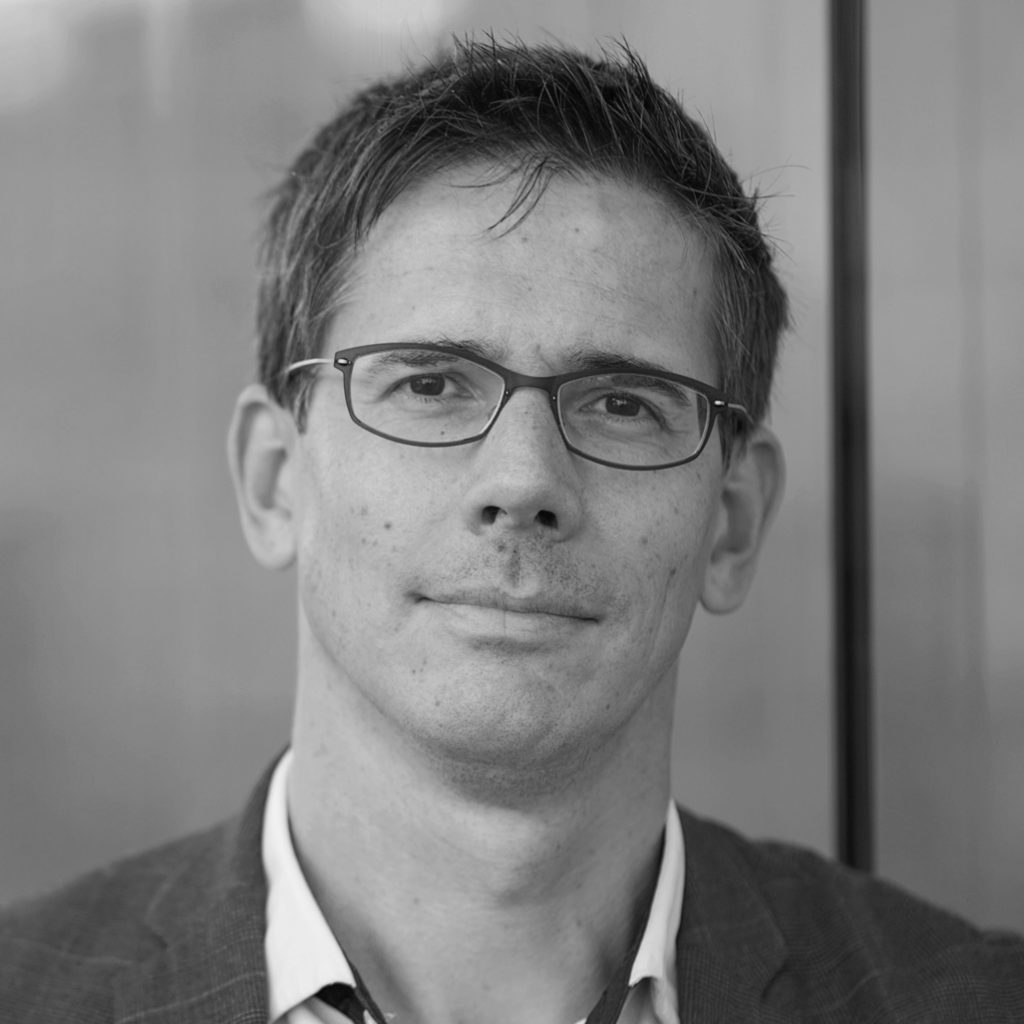
Greens/EFA MEP Bas Eickhout about loss and damages

The Greens/EFA MEP Bas Eickhout:
“The richest countries need to put the money where their mouth is. COP27 needs to deliver a Loss and Damage Finance Facility”

After devastating floods in Pakistan this summer, which displaced millions of people and destroyed the home and livelihood of hundreds of thousands, the discussion on Loss and Damage entered the center stage of the international climate debate. The climate change induced floods are estimated to have caused 40 billion dollars of damage, which is not only a catastrophe for a vulnerable country like Pakistan, but also a stark reminder of what is to come. 

With investments in mitigation and adaptation lacking and climate targets getting harder to reach, developing countries are estimated to face damage amounting to 290-580 billion dollars a year in 2030 and over a trillion dollars by 2050, every year. This would not only restrain their capability to ensure economic and social development, it would harm their ability to live up to the pledges under the Paris Agreement. Ensuring Loss and Damage action is literally a matter of survival.

Enough talking about loss and damage – let’s start real climate action at COP27

The notion of Loss and Damage due to climate change is not new. Since 1991, developing countries have demanded action, arguing that they are not the ones to cause climate change, but they will be the ones to suffer the consequences. This is undoubtedly true. Currently, the V20, 58 of the most vulnerable countries, which home about 20% of people on earth, cause 5% of global GHG emissions. The G7 is responsible for over a third of global CO2-emissions since 1850, despite being home to only 10% of the global population today. However, while these numbers speak for themselves, action has been slow and limited.

After years of discussion, in 2013 the Warsaw International Mechanism for Loss and Damage (WIM) was established, which was necessary for a more informed discussion on Loss and Damage. But, since then, the world has mainly talked, not acted. Typical is the outcome during the last COP, the world could only agree on another dialogue on Loss and Damage: the Glasgow Dialogue. Until now these dialogues have mainly shielded developed countries from taking meaningful action.

The richest countries need to put the money where their mouth is

Another discussion is a perfect stall for the richest countries, but developing countries will demand concrete action at COP27. And rightly so. Now that the issue is finally at the centre of the agenda, the climate summit cannot harvest any success without it. The richest countries need to put the money where their mouth is.

The G7 is therefore, in cooperation with the V20 – the 58 most vulnerable countries -, working on a ‘Global Shield against climate risks’, which is strengthening coordination, mobilizing and pooling donor funds and supporting insurance. While coordination of existing finance is indeed needed and insurance can be part of the solution, it won’t be sufficient to tackle the finance needs of countries which are already suffering to pay for existing debt payments. Let alone that insurance will reach the informal sector, protect human rights or prepare for future displacement and livelihood loss.

Therefore we need new, adequate and additional resources to address loss and damage, with a priority to grants, not private finance. That’s why the European Parliament calls for the establishment of a Loss and Damage Finance Facility at COP27. As lead of the EP-delegate I’ll be pressing for this during the COP in Sharm-el-Sheikh.

At COP27 we need to deliver on the Loss and Damage Finance Facility

NGOs and developing countries have shown us how such a facility could work. It should provide the necessary finance to support concrete projects, policies, planning and coordination and other activities to address Loss and Damage in developing countries. Both for slow-onset events (like sea-level rise) and rapid-onset events, such as storms and floods. Funding should be simply accessible and mainly come from developed donor countries which should set funding targets, as was done for mitigation and adaptation, so that there is a continuity in financing streams.

Whatever valid arguments developing countries might have, chances are very small that COP27 will deliver on a Loss and Damage finance facility. While the debate moved from technical assistance, to insurance schemes and a discussion on funding activities, the fundamental debate on liability is still undecided. As long as developed countries are not ready to admit that they have contributed the lion’s share of global warming, loss and damage will be keeping climate conferences hostage and making it increasingly difficult to keep warming to 1.5 degrees. 

Many of us may not want to admit or see it, but COP27 will be about climate justice.

Fighting TotalEnergies: Why climate activists shut down a giant fossil fuel corporation

On 8th and 9th October 2022, activists from the Code Rouge/Rood coalition in Belgium protested against the fossil fuel industry, in particular the multibillion-euro petroleum company TotalEnergies. During the action, over 1000 activists blocked TotalEnergies’ sites in Feluy and Liège by occupying railway tracks and roads near TotalEnergies’ depots. The protest caused the company to temporarily shut down their entire activities in Belgium.  

But who are the people behind ‘Code Rouge’? Why was ‘Code Rouge’ protesting against TotalEnergies and the fossil fuel industry? And why are more and more people using civil disobedience as a tool to stand up against the climate crisis, the energy crisis and poor workers’ rights?

The Greens/EFA MEP, Malte Gallée, joined the protesters that weekend as a parliamentary observer.  After the action, he sat down with our climate campaign intern, Michael, to talk about what he saw.

Malte Gallée © European Union 2022 - Source EP

Malte Gallée is a Greens/EFA MEP from Germany. He fights for climate protection and for a sustainable industry. He is also the youngest MEP in Brussels.

Michael Staniszewski

Michael Staniszewski is a Fridays for Future (FFF) climate justice activist from Germany. He worked on the movement’s #NotMyTaxonomy campaign and actions.

Who is Code Rouge/Rood and what do they want?

Code Rouge/Rood is a coalition of various organisations and groups engaged in the fight for climate justice. In the face of climate disaster, skyrocketing energy bills, human rights violations, neo-colonialism, wars and conflicts, they demand a just energy transition away from fossil fuels towards a renewable energy system that works for all. Their name “Code Rouge/Rood” (in English: Code Red) underlines the urgency for climate action.

Why use civil disobedience against the climate crisis?

Michael: You accompanied the non-violent mass civil disobedience action “Code Rouge/Rood” as a parliamentary observer. Have you ever witnessed a protest like this before?

Malte Gallée MEP: I have actually never actively participated in this kind of action before. But I was involved in supporting logistics during an action by “Ende Gelände” [the German climate justice movement calling for an end to coal power], where they blocked coal infrastructure in Germany. So I do know and value this form of protest. As a parliamentary observer at Code Rouge/Rood, I had to monitor closely what both the activists and the police were doing.

Michael: Talking about Ende Gelände, we hear that there can be some police violence and repression against peaceful activists. How was it at the Code Rouge/Rood protest?

Malte Gallée MEP: I was extremely surprised by how well the action went. I was very glad that there were no repressions from the police. I didn’t see any and I was also not notified of police brutality.The activists and the police were just looking at each other.

Who are the people behind Code Rouge/Rood?

Michael: Can you tell us a bit about the people protesting at Code Rouge/Rood? 

Malte Gallée MEP: That is the second thing that surprised me in a very positive way! The activists represented a broad spectrum of society. From 18-year-olds to pensioners, it was a wild mix of people that were blocking the destructive and exploitative interests of TotalEnergies. It was a truly intergenerational protest.

Michael: That’s what intergenerational justice is all about: recognising that young people will suffer longer from the consequences of the climate crisis. It’s nice to see that there was so much solidarity between younger and older people at the Code Rouge protest. Why do you think such protests are necessary and needed?

Malte Gallée MEP: These kinds of actions show how vulnerable and problematic large scale fossil fuel infrastructure is. An excellent example are the Nord Stream pipelines in the Baltic Sea, which have been damaged by suspected sabotage. It shows that energy dependency makes us more vulnerable to violence and war. Protesting against our dependency on fossil fuels can send an important signal that the energy production of the future has to be decentral and renewable. Young generations deserve a liveable future. They should be able to defend this right through protest.

The truth about TotalEnergies –  human rights violations and the East African Crude Oil Pipeline

Michael: I saw that you were part of a group of MEPs that travelled to Uganda this summer to talk with local people affected by the East African Crude Oil Pipeline (EACOP) project planned by TotalEnergies. What did you experience in Uganda and is this linked to the Code Rouge/Rood action in any way?

Malte Gallée MEP: Yes, there is definitely a connection, especially as the Code Rouge/Rood protest directly addressed TotalEnergies. I think it is important to take a position against the EACOP project. We need to stand in solidarity with the people affected by it. This is what Code Rouge/Rood did. I wanted to use my privilege as a MEP to guarantee that peaceful protest against TotalEnergies can take place.

“The Ugandan system is very repressive. The people in the country suffer massively under Total’s activities. They are displaced from their land.”

What is EACOP?

EACOP stands for East African Crude Oil Pipeline. It is a large-scale fossil fuel infrastructure project of TotalEnergies. The over 1400km long pipeline, if built, is going to be the longest heated oil pipeline in the world. It will be responsible for over 34 million tons of CO2 emissions per year – that is 7 times the annual emission of Uganda. The controversial project has received a lot of criticism, as 400 villages in Uganda and Tanzania were displaced because of it and numerous human rights violations have been reported. The pipeline is planned to cross over 200 rivers and is supposed to go through important nature reserves. Several climate justice movements have united and supported the #StopEACOP campaign, which aims to stop the project from being constructed.

In Uganda, however, the situation is totally different. The Ugandan system is very repressive. President Museveni has been in power since 1986. The people in the country suffer massively under Total’s activities. They are displaced from their land. Total refuses to pay reparations and if they speak up against EACOP, they are extorted, arrested or receive death threats. TotalEnergies is denying all of this, which is why it was especially important for us to be present and document it.

Recently, the police there arrested a group of students after they protested peacefully in front of the European Liaison Office, trying to hand over a presentation. The police took their phones and I saw terrible pictures of them being beaten into police trucks. It is frightening to see. I want to defend the right to protest everywhere and this is why I wanted to be a parliamentary observer.

Why are European fossil fuel companies exploiting African countries?

Michael: Ultimately, the pipeline is there to transport crude oil out of Uganda to be able to export it for the international market. The profits of this will mainly go to rich shareholders of TotalEnergies in Europe. Does that sound neo-colonialist to you too?

Malte Gallée MEP: Absolutely! There is actually a law in Uganda to prohibit these particular practices. The law makes it illegal to export raw materials, which is unfortunately still a huge problem for many African nations. They serve as providers for raw materials without local value creation happening. This means that the raw materials are not processed further on a local level, so local people are not able to profit from them.

But somehow the Ugandan government forgot that crude oil is also a raw material.  So TotalEnergies is proceeding with its neo-colonial and imperialist practices on the ground.

What is neo-colonialism?

Neo-colonialism is the continuance of previous colonial powers exploiting former colonised regions and communities by using other types of control that cause a dependency relationship towards the neocolonial power. Types of neocolonialist control can be economic or cultural imperialism, globalisation or conditional aid which ultimately aim to influence or control countries in the Global South. This often results in debt obligations, which are forcing impoverished nations to further extract natural resources such as fossil fuels to be able to pay back their debts. It is primarily the Most Affected People and Areas (MAPA) by the climate crisis who are exploited and whose situations are worsened by these neocolonialist practices. Therefore, the climate justice movement has to stand in solidarity with the MAPA and initiatives such as Debt for Climate to position itself anticolonial.

What can the European Parliament do against the EACOP project?

Michael: I think the documented human rights violations speak for themselves, unfortunately. Is there a way the EU or the European Parliament can do something against the EACOP project? After all, TotalEnergies is a company based in Europe and should stand for European rights and values.

Malte Gallée MEP: I agree! In France, there is a law regulating the supply chain to make sure  companies do not violate human rights. Because of this, the French court has the authority to prohibit TotalEnergies’ projects until they solve those problems. We are working on a similar law at European level. We need a European law that guarantees European companies will commit to protecting human rights outside of Europe.

Michael: Recently, the European Parliament adopted a resolution on the EACOP project, condemning the human rights violations and putting pressure on TotalEnergies. Does TotalEnergies care about their human rights violations?

Malte Gallée MEP: TotalEnergies is trying to greenwash the whole project. They are advertising it as the climate friendliest pipeline in the world. It makes no sense! It’s a pipeline! Its whole purpose is to transport oil, which will be burned and end up in the atmosphere.

But, slowly, TotalEnergies is getting nervous. They recently told the Ugandan government that they should respect human rights in a letter. What happened? Two days later, the government arrested some peaceful student protesters. I can well imagine why TotalEnergies’ CEO, Patrick Pouyanné, refused to come to the European Parliament to answer our questions. It would have been a disaster for him.

I would love to ask him: Thank you for the letter Patrick, but what about taking responsibility for TotalEnergies’ actions? Ultimately, you are the one who could do something about them. What about that?

Workers’ rights – Climate activists and the European Parliament need to stand in solidarity with TotalEnergies’ workers

Michael: Another thing that makes me furious is that TotalEnergies made around $10 billion profit this year – and still they are not paying their workers properly. This is why Code Rouge/Rood has been standing in solidarity with the workers’ strikes in France. The strikers are demanding a 10% increase in wages to be able to cope with inflation and higher energy costs. Due to the strikes, many petrol stations around Paris have run dry, causing long queues in front of them. It is obvious that we, as climate activists, have to keep the pressure up. Talking about these issues on social media or in our social environment is a first step. What else could we do to put pressure on TotalEnergies, while showing solidarity with the striking workers?

“One of the most valuable things we have in our democracy is peaceful protest!”

Malte Gallée MEP: One of the most valuable things we have in our democracy is peaceful protest! We should use this privilege to contribute to the debate and take a position against Total. Of course, you can boycott Total. But we can’t solve these issues by putting the responsibility on the individual. It is the job of politicians to end our dependence on fossil fuels, for the people and the planet. This is what we are working on as the Greens/EFA group.

Do you want to do something against the greed of fossil fuel companies and their neo-colonial practices? Do you want to speak up for human and workers’ rights? Come and join us on Sunday 23rd October on the streets of Brussels for the big Climate March. The demonstration will start at 13h at Brussels North Station. The Greens/EFA Group will be present with flags and posters. We’d love to see you there!


One year after the Pandora Papers scandal – has the EU learned any lessons on tax havens?

On 3 October 2021, a gigantic journalistic effort by the ICIJ uncovered the biggest scandal on tax avoidance, the Pandora Papers. These revelations show how the richest and most powerful companies and billionaires are finding loopholes to hide and increase their wealth at the expense of society. The list revealed the names of world leaders, politicians, business owners, and oligarchs. They all seem to think that the tax rules don’t apply to them. The wealth of those representatives of the top 1% comes from the work and the lives of the other 99%.

One year after the Pandora Papers – what have we learnt from it?

One year after this unprecedented leak, some governments are still blocking some of the most important European laws. These laws would move the EU towards a fair and redistributive economy. Much like the billionaires in the Pandora Papers, it seems like these governments prefer to put their own interests and needs above those of society. Although the difference between them and millionaire entrepreneurs is that governments are responsible for the welfare of their citizens. This is why the governments in power have to put the citizen’s needs at the forefront of their decisions.

The cost-of-living crisis that is hitting the European Union hard would require radical fiscal decisions. The rise in energy prices has been generating super profits for the biggest companies for months. The richest continue to get richer while the rest of society struggles to pay ever-increasing bills. This is why we have been calling for a windfall tax on all sectors. But we need to start with the largest energy companies and redistributes these unfair profits back to the people.

At a time when Europe is seeing a cost-of-living crisis we need to act fast. But we still seem to be stuck in a limbo where there are no political decisions. The rich keep getting richer and people’s bill increase while they remain helpless and powerless

So what needs to change to ensure tax justice in Europe?

We really want to learn from the endless tax scandals that journalists worked so hard for to uncover. And there are a series of steps that the EU and its member states must take. It is time to stop delaying decisions that maintain a status quo where corporations are at the core of EU policies. The EU needs to make decisions for people – and not for profit. Sadly enough, tomorrow, Tuesday 4 October 2022, the Ministers of Finance will meet, but not discuss any of the much-needed tax reforms. A truly depressing Pandora Papers anniversary. As the Greens/EFA group in the European Parliament we call for them to once and for all commit to real tax justice. 

This is what we propose to fight tax injustice:
  • We need to stop these small updates of the European blacklist of tax havens. The Greens/EFA are calling for a comprehensive reform. The blacklist should include all states and entities where oligarchs, millionaires and large companies hide their funds.
  • The EU needs to ban shell companies, and it has to do it now. The super-rich must no longer be able to hide behind fake companies to avoid paying their fair share of taxes.
  • EU Member States must pass the directive on the minimum effective tax of multinationals immediately. The EU’s largest economies have signalled their readiness to tax the largest multinationals. As the profits of multinationals soar, other Member States should take the necessary steps to make this a reality across the EU. We must not succumb to individual blackmail.
  • The revision of the EU’s anti money laundering package is an opportunity to have strong rules to fight financial crimes. EU Member States should not water it down. They need to show that they are willing to do what it takes to fight financial crime. They have to guarantee that the EU economy is a fair playing field for all actors. It’s not a playground for those who don’t play by the rules.

If we manage to succeed in these measures, then and only then will we have learnt any lessons from the Pandora Papers. An EU that we can be proud of is an EU that does not surrender to the powers of billionaires and multinationals. It is one that ensures that the people and the planet are at the core of all its decisions, not profit.

What are shell companies and why are they facilitating tax avoidance?

A shell company is a legal entity that does only exist on paper but has no employees or physical offices. Shell companies are therefore “fake” businesses or company subsidiaries founded to move money from one individual and company to another without paying taxes.

The Pandora Papers once again revealed the misuse of these so-called shell companies to allow oligarchs and shareholders to avoid paying taxes.

Droughts are a threat to peace in Europe – Why we need democratic water management in the EU

Droughts will become a new reality in Europe as climate change is in full swing. On the other extreme, floods swept across Belgium, Germany and the Netherlands last year. This is why European water management must be at the centre of our fight against the climate crisis, says the Greens/EFA MEP Benoît Biteau.

“If you see me, weep”. These words are carved into the “Hunger Stone” from 1616, near Decin in the Czech Republic. It was fully under water for decades. Now it is clearly visible, witness to the low water level in the Elbe River. As if we needed another prophetic call to wake us up. According to the Global Drought Observatory, Europe is facing its worst drought in at least 500 years.

I come from Charente-Maritime in the South-West of France. As a farmer living in this territory of marshes, wetlands and rivers, I have witnessed a silent spring (though not the same one as described by Rachel Carson in 1962 in her ground-breaking book which shaped the US environmental movement). Of course, the warbling of birds has disappeared too, but I’m talking about the vanishing of that whispery swash of water. First, the farmers – encouraged by the French government – drained the wetlands to sow corn. Then they pumped the rivers and used ground water to water their crops. Now the corn cannot even grow due to the droughts all over Europe and the rivers are gone. This is the case all over Europe: glaciers are collapsing, seawater is flowing into freshwater riverbeds, and cities are facing water shortages.

The right to water – Farmers, industry and consumers are fighting over a scarce resource

Climate change is here and it is a threat to our fundamental rights. The UN has even recognised the right to water as a fundamental human right. The UN even acknowledges that this right forms the basis of all other rights. The droughts in Europe are the pillars of our existence. Now this pillar is in danger and we can feel it. When existential threats arise, the spectre of conflict looms. Either locally, between farmers, industries and citizens, or between countries.

In my home region, an open conflict over water is now pitting some farmers, environmental associations and concerned citizens against farmers using ground water. The French State never played its role of mediator. It has continuously backed those irrigation farmers, despite their disregard of its own laws and court decisions. Five existing agricultural reservoirs have been ruled illegal. Yet, the French authorities are taking no action to fix the situation, leading to radical action by citizens’ collectives. This, in turn, triggers the anger of irrigation farmers.

Droughts in Europe – Will we face more water struggles on a European level?

Here in Europe, home to the highest number of shared river basins in the world, we could face many water conflicts like this. With more and more droughts, disputes over water use are now about survival. The struggle between Portugal and Spain in 2019 is a damning example.

All watercourses that flow into Portugal have their sources in Spain. The Convention of Albufeira, in which Spain commits to supply a certain amount of water to Portugal, binds the two countries. In 2019, the Iberian peninsula faced a terrible drought, which led to diplomatic tension between the two parties on the proper application of the Convention. At this stage, fortunately, no harm was done. But it should be a wake-up call that climate change and the increasing droughts will worsen resource scarcity.

The European Union was built on the promise of peace. Though the EU faces many criticisms, it has not yet failed on that initial promise. However, times are changing and new challenges to peace arise. We have to strengthen the democratic management of our common resources, such as water, at European level.

Water as a peace projectThe European Union needs to manage our water democratically now

Rivers and lakes do not stop at borders. European water laws are totally neglecting the management of water quantity and water allocation when it flows between several countries. In fact, European legislation does not address the quantity of the water in our rivers and lakes. This void could fuel political tension among EU countries and citizens. It must now be fixed to brave the new climate reality that is upon us.

We not only need more fire fighters, we need to prevent fires from happening

This crisis is not circumstantial. It is structural. The time has come for global thinking. No technological fix can solve the situation; some might even make the situation worse. We need a true paradigm shift in our vision of natural resources – from extractivist to regenerative. To remain a peacekeeper, not only should the EU have more fire brigades, to extinguish forest fires. The EU must become an environmental champion, to prevent those from happening. Sustainable agriculture and a strong EU water management legislation could be the starting point.

Agroecology has a great potential to start a virtuous circle of ecosystem restoration.  It’s our best ally in climate change mitigation and adaptation. European policies are not yet in line with these challenges. Events of this summer, droughts in Europe and floods in Pakistan, should flow into our political action. Let’s make water the source of a renewed European peace project.

Follow our campaign on ‘Food that’s good for people and planet‘ or watch Benoît Biteau’s interview about the challenges of European agroecocology with director Frédéric Tellier and actrice Emmanuelle Bercot below.

Travailleur.se mais pauvre : comment l’UE peut fixer un salaire minimum décent pour tout le monde ?

Cette semaine, la directive européenne sur le salaire minimum deviendra réalité lors de la séance plénière du Parlement européen. Mais qu’est-ce que la directive européenne sur le salaire minimum ? Et comment va-t-elle aider les citoyens de l’UE à payer leurs factures, qui ne cessent de d’augmenter ? L’eurodéputé Verts/ALE Mounir Satouri vous dit tout ce que vous devez savoir sur la nouvelle directive.

Joana a 42 ans, elle est mère célibataire d’un petit garçon de 6 ans. Elle travaille dans une boulangerie à Prague, en Tchéquie, d’où elle est originaire. Bien qu’elle travaille à plein temps et perçoive une pension alimentaire de l’État, ses revenus ne suffisent pas à couvrir le loyer de son petit appartement, à fournir une alimentation saine à son enfant ni à payer ses factures.

C’est la réalité de millions de personnes de tous âges et de tous horizons à travers l’Europe. La situation était déjà difficile avant la guerre en Ukraine. Aujourd’hui, l’explosion du coût de la vie plonge de plus en plus de personnes dans la pauvreté – même quand elles travaillent à temps plein dans un emploi stable. En Belgique par exemple, il faut désormais 33 jours de travail au salaire minimum pour payer sa facture énergétique annuelle.

Alors comment se fait-il que nous ne puissions pas payer nos factures, alors que nous travaillons 40 heures par semaine ou plus ? Que peut faire l’UE pour résoudre ce problème ? Et qu’est-ce qui changerait s’il y avait un salaire minimum pour tout le monde ?

Salaire minimum dans l’UE : comment réduire le grand écart ?

Qu’est-ce que le revenu minimum ?

Le revenu minimum est un niveau minimal de revenu que l’Etat décide de garantir à tous ses citoyens et leurs familles. Ses conditions d’octroi peuvent beaucoup varier selon les systèmes en place. Le revenu minimum permet de réduire la pauvreté et de contribuer à garantir des conditions de vie décentes, y compris aux personnes les plus vulnérables exclues du marché du travail.

Qu’est-ce que le salaire minimum ?

Le salaire minimum est le montant minimum par heure que les employeurs doivent payer à leurs employés. Il est souvent défini par la législation nationale ou par des conventions collectives sectorielles afin que les employeurs ne puissent légalement pas descendre en dessous de ce taux horaire.

En juillet 2022, le salaire minimum au sein de l’UE variait de 363 euros par mois en Bulgarie à 2 313 euros au Luxembourg. Exprimé en capacité de pouvoir d’achat, le salaire minimum le plus élevé représente presque 3 fois le plus bas. Qu’il soit fixé par la loi ou déterminé par des conventions collectives, le salaire minimum fait le grand écart au sein de l’Union européenne. C’est un véritable casse-tête pour la solidarité du projet européen.

Le groupe Verts/ALE au Parlement européen essaie de corriger cette inégalité et veut assurer un salaire décent aux travailleurs.ses. C’est pourquoi nous soutenons la directive sur les salaires minimums adéquats en Europe. Elle appelle chaque État membre à établir un salaire minimum proportionné à son coût de la vie national. Le montant spécifique du salaire minimum sera déterminé au niveau national par une série de critères directeurs, notamment le seuil de pauvreté (60% du salaire médian).

Une directive européenne sur le salaire minimum: qu’est-ce-qui va changer ?

L’adoption de la directive pour des salaires minimums en Europe prévue ce 14 septembre 2022 marque une victoire importante pour une Europe plus sociale. C’est la promesse d’une convergence vers le haut où deux-tiers des États membres verront leur salaire minimum augmenter : un impératif pour la cohérence du projet européen et pour lutter contre la pauvreté.

Convaincus qu’avec cette directive, l’UE a les moyens de devenir un solide rempart contre la crise sociale, les écologistes se sont battus pour les droits de l’ensemble des travailleurs.ses sans discrimination. Nous avons réussi à inclure les travailleurs.ses des plateformes, comme les livreurs ou les chauffeurs Uber, dans la directive. Alors qu’ils sont presque toujours qualifiés d’indépendants et dépourvus de protection au travail, cette directive leur assure au moins le bénéfice du salaire minimum dans leur État membre.

La directive sur le salaire minimum peut-elle répondre aux effets de l’inflation ?

96, 5 millions de personnes sont à risque de pauvreté ou d’exclusion sociale aujourd’hui au sein de l’Union européenne. Un chiffre vertigineux qui promet pourtant d’exploser dans les prochains mois.

Face à une inflation annuelle dans la zone euro à 8,9 % en juillet 2022, les salaires minimums doivent garantir un pouvoir de vivre aux travailleurs.ses. Il est urgent de les accompagner pour leur assurer un mode de vie dans la dignité.

Sur notre proposition, le recours à un panier de biens et de services à prix réels participe à définir le seuil de décence d’un salaire durable. Il s’agit d’être dans la réalité quotidienne des travailleurs-ses européen.nes au salaire minimum. Parce qu’ils doivent pouvoir se nourrir sainement ; parce qu’ils n’ont pas à vivre dans des passoirs énergétiques ; parce qu’ils n’ont pas à choisir entre accès à Internet ou soins de santé ; parce que la transition vers une économie verte et inclusive ne réussira qu’avec eux ; les États membres doivent adapter leur salaire minimum au coût de la vie.

Qui bénéficiera le plus de la directive sur le salaire minimum ?

Progressivement, 25 millions de travailleurs.ses verront leurs salaires augmenter de 20% et le taux de pauvreté au travail devrait enregistrer une baisse de 10% grâce à la mise en œuvre de cette directive.

Premières concernées par les bas salaires parce que surreprésentées dans les secteurs les moins rémunérateurs, les femmes bénéficieront particulièrement de cette directive. L’écart de rémunération entre les sexes devrait en effet se réduire d’au moins 5% alors qu’il plafonnait à 14,1% pour l’UE en 2019 et n’a que peu changé au cours de la dernière décennie.

Par conséquent, la directive sur le salaire minimum est une victoire massive pour les femmes et les groupes ou personnes vulnérables sur le marché du travail.

Pourquoi la directive sur le salaire minimum renforcera les droits des travailleurs.ses et l’économie européenne ?

Avec ce texte, nous portons le taux de couverture des conventions collectives à 80% et renforçons les syndicats dans leur rôle. Les travailleurs.ses à bas salaire ayant un pouvoir de négociation plus faible, ces mesures sont indispensables pour sécuriser leurs droits et réduire les inégalités salariales.

Aujourd’hui, le législateur européen fait la démonstration que l’UE sait réagir en temps opportuns pour faire une réelle différence dans la vie des gens et améliorer la résilience de notre économie et de notre société face aux crises.

Les Etats membres ont deux ans pour transposer la directive mais face à l’urgence, nous avons besoin qu’ils agissent maintenant et rapidement. Nous appelons les Etats membres à prendre les devants et à remplir leur devoir de protection des travailleurs.ses à bas salaire dans les plus brefs délais.

Pour le groupe Verts-ALE, l’avènement de l’Europe sociale passe par l’accès de toutes les travailleuses et de tous les travailleurs à un salaire minimum décent dans leur pays et de toutes les citoyennes et tous les citoyens européen·ne·s à un revenu minimum. Nous appelons la Commission à faire preuve d’ambition et à proposer au plus vite une directive sur un revenu minimum dans l’UE.

Working but poor – How the EU can fix decent minimum wages for everyone

This week the EU minimum wage directive will become reality in the European Parliament plenary. But what is the EU minimum wage directive? And how exactly will it help people in the EU to pay their rising bills? The Greens/EFA MEP Mounir Satouri tells you everything you need to know about the new directive.

Joana is 42, a single mother to a six-year-old son and works in a bakery in Prague. Although she is working full-time and gets child support from the state, her income is not enough to cover the rent for her small apartment and provide healthy food for her child or pay her bills.

This is the reality of millions of people across Europe – people of all ages and with all kinds of different backgrounds. Making ends meet was already tough before the war in Ukraine. Now the cost-of-living crisis is driving more and more people into poverty, even if they are working full-time in a secure job.

So how come we can not pay our bills although we work 40 hours a week or more? What can the EU do to fix this? And what would change if there was a minimum wage for everyone?

Minimum wages in the EU – How to bridge the differences?

What is minimum income?

Minimum income is a system that guarantees that you have sufficient income to be able to live and pay your bills if you contribute to the labor market or community work in some form or another. This way minimum income is supposed to reduce poverty and ensure a decent standard of living for everyone.

What is minimum wage?

Minimum wage is the minimum amount per hour that employers and companies have to pay to their employers and workers. It is often defined by national legislation or collective agreement so employers cannot legally pay beneath this hourly rate.

Whether it’s fixed by law or by collective agreements through trade unions, the minimum wage differs greatly from country to country within the European Union. In July 2022, the minimum wage was just €363 per month in Bulgaria but stretched to €2313 per month in Luxembourg. When it comes to Purchasing Power the Luxembourgish minimum wage is almost 3 times as high as the Bulgarian one. Purchasing Power describes how much you can actually buy at the supermarket once you factor in how food and other goods are priced.

But how can we fix this inequality? How can we ensure a sufficient income and decent standard of living for everyone in work? The Greens/EFA Group in the European Parliament is supporting the directive for minimum wages in Europe. This new legislation calls on each EU country to set up a minimum wage that is proportionate to the cost of living. There are a number of defined criteria in the EU minimum wage directive that will guide the specific amount of the national minimum wage.

What will change with the new directive?

The European Parliament will adopt the directive for minimum wages in Europe on 14 September 2022. This day will mark an important victory for a more social Europe. Two-thirds of the countries in the EU will see their minimum wage increase.  The directive fights poverty on a European level – raising wages for people who are struggling the most. It will also even out the big disparities that exist right now between the member states.

The EU’s minimum wage directive will be a solid defense against the cost-of-living crisis.

The Greens/EFA fought hard to include platform workers in the directive, as all workers should benefit from this minimum legal protection. Platform workers, such as food delivery drivers, are almost always classified as independent and left without protection at work. The EU minimum wage directive will lift their wages to be able to pay their bills.

How will the EU minimum wage directive tackle the effects of inflation?

Today, 96.5 million people in the European Union are at risk of poverty or social exclusion. A dizzying figure that promises to explode in the coming months, as the energy crisis and the cost-of-living crisis deepens.

Faced with annual inflation in the eurozone at 8.9% in July 2022, minimum wages must guarantee workers the right to a dignified and decent standard of living.

Everyone must be able to buy healthy food to feed their families. Every family should have electricity and heating, especially during the winter. People should not have to choose between internet access or health care.

Minimum wage should be grounded in reality. Food costs and household bills are spiralling. Before fixing a minimum wage, EU governments must ask themselves honestly – what does it truly cost to feed a household today? The minimum wage directive will force them to answer – and to tie their country’s minimum wage to the real cost of living.

Who will benefit the most from the EU minimum wage directive?

In total, 25 million workers will see their wages increase by 20%. The rate of in-work poverty will drop by 10% thanks to the EU minimum wage directive.

In particular, the minimum wage directive is a massive win for women and marginalized groups or people within the labor market.

Women will especially benefit from a raise in minimum wages. They are overrepresented in the lowest paid sectors and first affected by low wages. This pay disadvantage increases with other intersecting discriminations, such as ethnicity, sexuality or socio-economic background.

The EU minimum wage directive will also directly affect the gender pay gap. The EU is expecting the gap to narrow by at least 5%. The gender pay gap in Europe peaked at 14.1% in 2019 and has changed little over the past decade.

How decent living wages will strengthen worker’s rights and the EU economy

The EU minimum wage directive will strengthen the role of workers unions and bring the number of employees covered by collective agreements to 80%. Since low-wage workers have weaker bargaining power, these measures are essential to secure their rights and reduce wage inequality.

Governments will have two years to bring their national laws in line with the new directive. But given the urgency of the cost-of-living crisis, we need them to act quickly. The Greens/EFA call on EU Member States to take the lead and fulfill their duty to protect low-wage workers as soon as possible.

This is a big win that will make a real difference in people’s lives. But the fight doesn’t end here. The minimum wage directive will guarantee that all workers earn a decent minimum wage no matter where they live. But a truly social Europe must protect all citizens, not just those in work. The next goal is to ensure an EU standard for a minimum income for all citizens. We call on the European Commission to show ambition and to propose a directive on a minimum income in the EU as soon as possible.

Stop speculators gambling with our food and energy prices – and our lives

People have seen food and energy prices surge over the past years. Millions of people in the EU are struggling to pay for heating and food. Right now, over 36 million people in Europe cannot afford a quality meal every second day. While 50 – 125 million of us are unable to pay for proper heating

And the situation has only got worse since the start of Russian aggression in Ukraine. A ton of wheat was already worth more than 475$ in January 2022, compared to 275$ just a year before. During 2021, wholesale electricity prices increased by 200%, plunging thousands of people into energy poverty. In May 2022, food inflation reached 7.5%.

The consequences of this price explosion are devastating. Every time food prices rise by just 1%, 10 million people are thrown into extreme poverty worldwide. We need to tackle the price surge at its root. Households across Europe are reporting a day-to-day rise in living costs and many people are feeling the effects. But, the ramifications of skyrocketing food prices are literally life-threatening in developing countries where many people are already struggling to afford basic food.

In this article, we will try to shine a light on the different factors that play a role in the spike in food prices. Prices are going up, but where is the extra money going? Who is profiting? What is food speculation and how does it drive up prices for basic foods that we rely on, like grain and wheat? And what can we do to tackle this problem?

Why the collapse of food and fertiliser production leads to inflation 

As a direct consequence of the war in Ukraine, food and fertiliser production and exports from the most affected countries (Ukraine, Russia and Belarus) have collapsed. The effect of the war has been especially dramatic for food production because these countries produce a huge portion of our food needs in this part of the world (see our blog on the consequences of the war in Ukraine on our food system). 

As a result, we’ve seen a rise in food inflation: the less food being produced, the higher the prices. However, these extreme price increases are not all down to basic supply and demand. Investors playing roulette with our food are exacerbating this.

Wheat field in Antequera, Spain

How speculators on the financial market are driving the rise in food prices

Food speculation is driving the wild increase in food prices. Food speculators bet on food prices by buying futures contracts from farmers. They don’t actually want to buy the food, of course – they’re gambling that prices will go up and they will be able to sell on the contract and make a quick buck. In situations of crisis and market instability – like now, with Putin’s war in Ukraine – they act as hunger and war profiteers.

Indeed, in the immediate aftermath of the crisis, speculation on food commodities reached its peak. And the gamble paid off. Speculators who were specialised in trading agricultural commodities, such as Teucrium Wheat Fund, reported unprecedented profits which saw their share price beating all-time records. 

However, food speculators betting on our basic foodstuffs makes food markets highly volatile. They play with the principle of supply and demand, which can mess with a fair market and contribute to a sharp increase in food prices.

Social instability – speculation on the food market has led to uprisings and revolutions before

Although food speculation shot up in the aftermath of the war, it is not a new phenomenon. 

Speculation was already at the heart of the financial crisis of 2007 which led to a food crisis a year later. Experts consider this one of the major causes of the Spring uprising in North African and Middle-Eastern countries. Following this, in 2009, the G7 countries (Canada, France, Germany, Italy, Japan, the UK and the US) and the EU all committed to putting an end to food speculation. Legislators have adopted some rules since then, such as the Markets in Financial Instruments Directive (MiFiD) in the EU or the Dodd-Franck Act in the US. 

But, these have not stopped food speculation. In fact, the share of speculators in the market has increased since 2020 – and especially for some crucial foods that many countries depend on, such as wheat. Likewise, recent studies show that gas trading on financial markets is 114 times more important than actual gas consumption. 

For food security and stability – the EU needs stronger rules to fight speculation on the food market

The EU law to regulate market speculation is called the Markets in Financial Instruments Directive (MiFiD) – and it’s currently up for review. This is a unique opportunity to tackle food and energy speculation once for all. Yet, the new rules being proposed by the European Commission are still too lenient to curb excessive speculation on vital commodities, like food and energy. The EU’s rules are even more permissive than the US ones. It is also astonishing that, so far, the European Commission has not taken the time to properly assess the role of speculation in the rise of food and energy prices.

If it is serious about preventing speculation, the EU needs to do two things. One, apply strict limits to the capacity of a trader to speculate on food and energy commodities. And two, fix the loopholes in the regulatory framework. Speculators will use any regulatory gap to circumvent the rules and make profit at the expense of the poorest.

Fighting food speculation and food scarcity – ways forward to stabilise food prices

There is still time to make a change and save thousands of lives. The Greens/EFA are asking the European Commission and specialised EU agencies (like the European Securities and Markets Authorities (ESMA)) to run a full analysis of speculation as a driver of price increases in food and energy.

We are also calling on the EU institutions to investigate any harmful behaviour, such as financial traders deliberately pushing commodity prices upward to make more profit.

The Greens/EFA are leading the fight against hunger and war profiteers. We’re doing everything in our power to make sure that food and energy speculation cannot happen anymore. There is no time to waste.

HUMAN CRISES CAN’T MEAN CORPORATE PROFITS – THE CASE FOR AN EU-WIDE WINDFALL TAX

Does the EU need a windfall tax? We’re facing an escalating food crisis, the war in Ukraine and the COVID-19 pandemic. At the same time unprecedented inflation rates have had devastating effects on the vast majority of the population. However, a few people and corporations have heavily benefited from them, which has only driven inequality even further. A recent study by Oxfam International highlighted that every 30 hours there was a new billionaire in the world. At the same time every 33 hours a million people drop into risk of extreme poverty.

Back in March 2022, we asked the Council and the Commission to come up with coordinated action to tax windfall profits. Windfall profits occur if big energy companies that had dramatically increased their profits in the context of the war. Following our request, the European Commission submitted a recommendation to Member States to provide an answer to these extraordinary profits and tax them accordingly. This would help those suffering the most from the energy crisis in the EU. But only a few of the member states have moved forward, and it has definitely not been enough. 

Tax the 1% who benefit from the crisis to help the 99% who suffer

It was a good first step, but we require stronger measures. What was once seen as an ‘energy crisis’ has now become a cost of living crisis – spearheaded by the food crisis.  The consequences of these crises can be and already are brutal for the most vulnerable. To make things worse, a quick look into the market and we can immediately see that the largest corporations and conglomerates in fields such as food, big pharma, gas and oil, energy, and tech (to name just some of the more relevant ones) continue to make unprecedented profits at the cost of the rest of society. Banks and corporations across the EU keep telling citizens that a raise in their wages would only drive inflation out of control. In reality, it is the vast increase in corporate profits this time that cause the inflation.

An EU-wide windfall tax for those that profit from the war

A Union that prides itself in having the people at the heart of its policies cannot and should not allow that the very few continue profiting at the expense of the 99.9%. For this, and given the extraordinary situation we find ourselves in, we call for the Member States and the Commission to show serious ambition. We need to establish a coordinated approach to effectively address the cost of living crisis caused by corporations. The EU needs to implement a retroactive one-off windfall profit tax of 50% to all of the corporations that have seen an dramatic increase in their profits since the start of the war. We can then use the resulting revenues as a direct subsidy to those most affected by the crisis. 

We can calculate the retroactive one-off windfall profit tax by looking at the average profits of the previous five years. After, we compare these profits with the profits made in fiscal year 2022. The windfall tax would then tax the increased profit at 50%. 

For a just transition we need to put money where people need it the most

These revenues should be used by Governments to help citizens in a just transition to renewable energies through direct subsidies. Besides taxing the excess profits at 50% we also ask companies to reinvest 25% of excess profits in renewable energies. 

It is time to get serious and tackle the power that corporations have over people. Food giants cannot be gouging the prices of food at the expense of citizens. Energy giants cannot be making  billions in profits when citizens have to choose between freezing or eating. It is time to take action. If the Commission is as serious as it says  about ending inequalities and fighting for a green future, then it should fight for a harmonised windfall tax. We also need follow-up proposals so we never face this situation again. Let’s use this opportunity to invest in a future where we finally show respect for the people and the planet. 

What is a windfall tax?

A windfall tax is a one-off tax that governments put on profits of corporations that have seen their benefits increase in a dramatic way at a time of crisis or need. This tax only focuses on the unusual extra profits and it does not affect the rest of the revenue of the company. The purpose is to redistribute excess profits for the greater social good.

Source: investopedia.com

Roe v Wade – How the US Supreme Court ruling affects abortion rights in Europe

On June 24th 2022, the abortion rights of millions of US Americans were taken away. The US Supreme Court overturned Roe v. Wade, putting an end to the constitutional right to abortion in all 50 States of America.

It is a landmark ruling that will have wide implications for gender equality, human rights and freedoms all across the globe.

Access to abortion will now be limited or illegal for millions of people in the US, in some cases even if the unwanted pregnancy is the result of rape, incest or brutality. This could set a precedent for countries returning to conservative abortion legislation, endangering the lives of people who seek abortion. 

When abortion is illegal and criminalised, pregnant people turn to unsafe measures to get rid of their unwanted pregnancies. And we all know that taking away legal access to abortion does not lead to fewer abortions. It leads to unsafe and dangerous abortions. The World Health Organization (WHO) noted that a staggering 45 per cent of all abortions around the world, are unsafe, making the procedure a leading cause of maternal death.

Could our abortion rights in Europe also be stripped away soon?

What do we know about the backlash on sexual and reproductive rights and health in Europe? And what can we do to defend abortion rights across the world?

We talked abortion rights with 6 feminists who are putting up a hell of a fight for sexual and reproductive freedom and justice in Europe. 

Abortion rights are under attack in the USA – but abortion is also under threat in Europe

Abortion is legal throughout most of the EU, though the circumstances under which the termination of a pregnancy is allowed vary according to each country.

In a huge win for our rights, last year the European Parliament declared access to safe abortion a human right. However, in practice, access to abortion varies widely across Europe because it is considered a matter for national governements. Let’s go on a tour of Europe and look at different cases of abortion rights within the EU – Ireland, Malta, Poland, Northern Ireland, and Germany.

The Greens/EFA have called to add the right to abortion into the EU Charter of fundamental rights. This July Plenary the European Parliament will debate the resolution.


“We are afraid that Meloni wants to go further and to maybe follow Orban’s steps and require women to be psychologically “consulted” before the procedure.

Benedetta Scuderi

Benedetta Scuderi is Co-spokesperson of FYEG (Federation of Young European Greens). We talked to her about the situation on sexual and reproductive rights in her home country, Italy.

After recent elections in Italy, the country will face a radical right coalition government under Giorgia Meloni’s Brothers of Italy party. People in Italy are starting to worry about what this means for abortion rights.

What should feminists across Europe know about the situation on abortion access in Italy?

Abortion in Italy is possible since 1978 due to the famous “194 law”. People in Italy can have an abortion until the 90th day of their pregnancy. After that it is only possible between the 4th and 5th month of pregnancy for medical reasons. There are specific reasons to ask for an abortion procedure and self-determination is not among them. However, law vagueness allows a wide interpretation for what reason accessing an abortion is possible in any case.

This law came in after years of fights between the feminist movement in Italy and the catholic groups requests. The compromise is clearly seen in two main aspects of this law, the possibility of conscientious objection for doctors to not offer an abortion procedure after a 7 day waiting period after consultation.

Lately, more and more doctors are not operating abortion using their objections right. The State is not implementing any solutions to always guarantee a minimum number of doctors per hospital who are available for abortion. Therefore, access to abortion is getting complicated, and the situation is even worse in more conservative regions, like those run by Meloni’s Fratelli d’Italia. They also prohibited abortions pills, further limiting the access to legal and save abortion.

What is at risk now, after the elections in Italy in September 2022?

After the elections there is a high possibility that the access to safe abortion procedures will be further undermined. First, what has been happening in those regions governed by conservatives might be happening in the whole country. This could lead to a strict limitation of access to abortion, especially for more vulnerable groups who might not have time and resources to move around the country to find a doctor who can provide a save abortion.

However, there is more. Throughout her campaign, Giorgia Meloni clearly stated she wants to properly implement the first part of the 194 law. This is the part where the law requires a consultation with a doctor 7 days before the abortion procedure.

We are afraid that Meloni wants to go further and to maybe follow Orban’s steps and require women to be psychologically “consulted” before the procedure. Even worse, her government might decrease the cases in which abortion is possible and subject the access to a medical approval. These are not just fears, this could happen at any time now and we can’t let it happen.

How can we in the European Parliament support your rights?

We would like to see a European declaration for save and legal access to abortion and we want it to be included in the EU Chart of Fundamental Rights. The EU should also set minimum standards for abortion accessibility and women safety for the Member States.

Access to safe abortion means access to health care. Access to safe abortion is a human right, and the EU should treat it like so. We must stay strong and united to win this fundamental fight.


Access to safe abortion in Ireland: “They will never, ever stop coming for our reproductive rights. And we will never, ever stop fighting for them.”

Tara Flynn, Irish actress, author and abortion rights activist.

Tara Flynn is an Irish actress, author and pro-choice activist. She has been a vocal campaigner for reproductive rights and the repeal of Ireland’s 8th amendment.

What is the situation for abortion access in Ireland?

Here in Ireland, we voted by a landslide to repeal the constitutional ban on abortion in 2018. However, the pushback from anti-choice quarters remains. There still isn’t wide enough access. People with problems in later term are still having to travel. There’s an unnecessary three day wait, which serves no purpose other than to assume that the person making this very personal decision doesn’t know their own mind. 

I think the most important thing people should know is this: even though a majority of people in Ireland understand that abortion has always been needed and always will be – and they very clearly voted to reflect that – conservative forces will always be coming for our bodily autonomy and reproductive rights. We need to stick together, keep the pressure on our politicians, and not let our guard down for a second.

Are you afraid the Roe v Wade US Supreme Court ruling will impact the abortion rights in Ireland?

There’s a long-standing relationship between anti-choice forces here in Ireland and those in the US, even if it’s not always overt. They fought our campaign for abortion rights tooth and nail. I have no doubt they feel emboldened by the overturning of Roe. But we’re not going anywhere – certainly not back to punishing pregnant people in need and removing their privacy and dignity. 

The pro-choice community in Ireland – what kept your abortion rights activism going in challenging times?

The pro-choice community in Ireland really came together and held each other up. I used to say, “It’s not a sprint. Nor is it a marathon. It’s a marathon we’re being asked to do at a sprint.” What I meant by that is, we all need to do our part and we can’t leave it up to “them over there” or “activists”. By taking any action – even supporting a friend through a crisis pregnancy – you’re an activist. In that way, we need the race to be a relay: one person takes an action today, someone else the next. It’s far too easy to burn out. That’s why we have to do this together.


Taking away the right to abortion in the US is an attack on our rights. But it will hit women of colour, disabled women and other marginalised communities the most

Orla O'Connor

Orla O’Connor is the Director of National Women’s Council (NWC), the national women’s membership organisation in Ireland.

What’s happening in the US is an attack on women’s rights. It’s about control and power over women’s bodies and women’s lives. As with all reproductive rights restrictions, it is the most marginalised who will bear the brunt of this. It is women of colour, disabled women and pregnant people. Those who don’t have the resources to travel to states that do provide the care.

In Ireland, we know that restrictions in our legal framework and poor geographical coverage of services are also having a disproportionate adverse impact on marginalised communities here. I hope the US ruling will strengthen our collective resolve to demand that the ongoing Abortion Review tackles the legal barriers and brings our abortion care in line with WHO guidelines

Lessons from the US Supreme Court Ruling Roe v Wade – We cannot be complacent

The lesson from the US is that we can’t be complacent. We have to express solidarity with those directly impacted by the Supreme Court decision. We must continue to effectively organise and advocate for true reproductive rights here in Ireland.

Support and solidarity with a broad range of fellow reproductive health and rights advocates has been one of the most sustaining and fulfilling parts of my career to date. It’s so important to have that support system and to work together to achieve the change we know is urgently needed.


Poland imposes a near total ban of abortions in 2020 – Millions take on the streets for their abortion rights

Magdalena Gałkiewicz

Magdalena Gałkiewicz is a women’s rights, animal rights and climate activist, and Secretary General of the Polish Green Party.

Could you describe the situation of abortion access in Poland right now ?

In practice, abortion is prohibited in Poland. 

It is banned by the hands of the Polish Catholic Church and right-wing populists in power. They want to please the religious extremists and the international network of the Tradition Family and Property (TFP) sect. The TFP has a strong position in Poland thanks to the ruling right-wing populist coalition. 

The fight for freedom and human rights is a struggle between two realities. The reality of an authoritarian, patriarchal-religious-conservative past with an eco-feminist, sustainable and empathetic future. 

Abortion bans in Poland and now in the US – how are they connected?

The overruling of Roe v Wade worries me because the impact on the change of law in the US was made by the same international sect as in Poland. And it is both rich republicans from the US and Russian oligarchs who finance this Tradition Family and Property (TFP) sect.

If we do not resist together, the ban will spread from the US and Poland to other EU countries. It will spread through the EU, starting in Central and Eastern Europe.

Let’s support each other. Let’s talk boldly about our abortion experiences. Let’s not be afraid. Let us unite – the thousands, hundreds of thousands, millions of us. Together, we will be strong!
Magdalena Gałkiewicz

But let’s also remember that feminism is not only about the right to abortion and the right to gender equality. It is a fight for our future. We have to show solidarity with our sisters from the global south. It is a fight for the next generation and for the future of our planet. 


Malta upholds a total ban on abortion – Each action for abortion rights counts!

Mina Jack Tolu

Mina Jack Tolu is a committee member of the European Greens, and the International Secretary of the Green Party in Malta.

What should green feminists across Europe know about the situation on abortion access in Malta?

Malta has completely banned abortion. And, like in other countries where abortion is illegal, all this does is exacerbate the divide between rich and poor. Criminalising abortion doesn’t stop them from happening. It turns it into a luxury service that many can never afford. This is especially true when people have to go abroad to access a safe abortion.

Malta’s pro-choice movement is growing year after year. However, it takes time to fight a status quo set in the 1850s. The first step for many activists has been to question the society we grew up in. We’ve had to unlearn years of inadequate education on sex and sexual health. We then had to challenge the taboo and stigma in our own families and communities. This takes hard work.

What are the struggles of abortion rights activists in Malta and how can we support them?

The best advice I have received for mobilising and campaigning came from the trans rights movement. It encouraged me to look comprehensively at the attacks on reproductive rights across our struggles. Reproductive rights are often undermined by those wishing to uphold and maintain racist, classist, and ableist structures in society. 

And I will contrast this with the worst advice: Being an openly pro-choice politician in Malta is political suicide. Unfortunately, many of my pro-choice colleagues in other parties continue to follow this advice. With time, I hope they find the courage to step up and make their voice heard.

Fighting for access to abortion in Malta – things to be aware of 

When it comes to self-care in activism, it is important to recognise and respect your own boundaries. I am one of the first publicly pro-choice politicians in Malta. This is why I faced a lot of hate online which triggered anxiety around public speaking and recording video messages. I am only starting to overcome it now, three years later. But it didn’t stop my work behind the scenes. I kept helping to build networks and push for policy change within the Greens.

Activism for sexual self-determination would not be possible without building a community. Just like drops in water, each individual action has a ripple effect impacting more people than we could ever know. So keep fighting!


Germany changes the law  –  The ban on ‘abortion advertising’ is finally history

Terry Reintke is a Member of the Greens/EFA Group

Terry Reintke is a Member of the Greens/EFA Group in the European Parliament from Germany.

Let’s end with some stories of hope. For many years, the German Greens were fighting to abolish paragraph 219a of the German criminal law. On the same day as the Roe v Wade Court ruling took away the US right to legal abortion, Germany came one step closer to save and legal access to abortion.

It was an ugly legacy of the Nazi regime aiming to prevent women from getting information on the medical procedures of an abortion. In recent years, anti-choice activists had been using this paragraph to sue doctors who had published information about how to end an unwanted pregnancy on their websites. But those brave doctors, led by Kristina Hänel, fought back and went to the highest German Court – and they won. 

Thanks to their courage and persistence, the Greens (as part of the German government) were able to put an end to this unbearable situation, Doctors won’t be criminalised anymore for providing the most basic service and information to women who want to undergo an abortion.

Legal access to abortion in Germany – still a long way to go
Malena Meneses Gelpi

Malena Meneses Gelpi is a medical doctor, surgery resident, doula and visual artist based in Berlin.

In Germany, abortion itself remains an illegal procedure – and it is still a long and winding road to get to a point where you are provided with an abortion. Many still face huge obstacles in getting the information and unconditional support they need when facing unwanted pregnancies. Just days ago, the prohibition against the “commercialisation” of abortion was taken down, giving millions of people safe access to life saving information. For me as a physician, it’s a relief to see brave colleagues being decriminalised and witness a step forward for women* inside a misogynist system. 

Are you worried that the US ruling will impact abortion rights in Germany?

Just like the United States of America, we too are strongly influenced by outdated so-called Christian values that try to dictate a woman*’s role in society. I think it should alarm us how fast we have adjusted our lives around the achievements of feminist fights and glories from the past. On the other hand, we can also see how dangerously fast they can be taken out of our hands. We should look at our North American sisters* with concern and feel the urge to be even more vocal about self-determination concerning our bodies and the right to decide on having an abortion. 

We have to keep fighting for women*’s liberation on a daily basis: at the workplace, in your neighbourhood, inside your biological family, but also in the family you choose. But we can’t be fighting all the time – we need to be healthy and alive for the long journey towards gender equality and sexual freedom.


“Northern Ireland has shifted from the most restrictive regime on abortion to one of the most liberal overnight. But we need to stand firm to defend those rights.”

Clare Bailey

Clare Bailey is a Northern Irish politician and Leader of the Green Party Northern Ireland. She has actively supported people seeking abortion and survivors of sexual violence throughout her career.

What did you think when you heard about the Roe v Wade Supreme Court ruling on abortion rights in the US?

There has been a global outpouring of condemnation over the recent ruling of the U.S. Supreme Court to strike down Roe v Wade. But evidence shows we cannot ban abortions, we can only ban safe ones.

We know that banning abortions will not stop them from happening. It will instead stop safe abortion from happening and put women’s lives and livelihoods at risk. This is what the evidence shows us.
Clare Bailey, Leader of the Green Party Northern Ireland
What is the situation of access to safe and legal abortion in Northern Ireland and do you think the Roe v Wade ruling will affect it?

Northern Ireland has shifted from the most restrictive regime in the world, to one of the most liberal overnight. While this was a good news story, without the proper commissioning of services, women will still struggle to access the full healthcare they need. 

As our laws changed, the world was in lockdown due to the COVID-19 pandemic. We were told to stay at home to save lives. Regarding abortion services at that time, we saw access to telemedicine open up and women being allowed to self-medicate at home. We have known for a very long time that these pills – mifepristone and misoprostol, used to perform medication abortions – are some of the safest medicines we have. The WHO has listed them as essential medicine. But in Northern Ireland, our Health Minister did not make this service available. During the pandemic, we continued to force women to travel to England. 

The U.S. has dealt a brutal blow to women. And this will, of course, embolden anti-choice advocates everywhere. You can hear it in the recent words of Conservative MP, Danny Kruger, speaking about bodily autonomy, saying: “in the case of abortion, that right is qualified by the fact that another body is involved… this is a proper topic for political debate,”. 

The UK needs to pay attention and stand firm that there will be no roll back on our hard won rights. 

Five ways to rise for our rights to safe and legal access to abortion in the EU and around the world

Here are 5 ways we as a pro-choice abortion activists inside and outside politics can defend our rights:

  • Start a petition: In Finland, Naisasialiitto Unioni coordinated a citizen’s initiative to loosen restrictions around abortion access. The #OmaTahto petition aims to update the country’s old legislation, dating back to the 1970s. They reached the threshold of signatures in record time, and the proposal will be discussed in Parliament in the fall of 2022. 
  • Join local protests and donate to causes: If you can, join protests and support your local feminist organizations in the pursuit of reproductive justice. Start a fundraiser to donate money to charities. Find a local protest under our instagram post and add your city in the comments!
  • Vote for a woman or run for office: The case of Roe v. Wade raises critical questions about politics, power and decision-making. According to the Los Angeles Times, male senators accounted for 91% of the votes to confirm the five justices who overturned Roe v. Wade. Women’s participation in politics in the United States remains extremely low: only 24% of senators are women!

    Diversity and women’s meaningful participation in politics makes a huge difference in the lives of women and all minorities. Many local, national and international organisations support women and gender-diverse people in their campaigns – from the very first steps, all the way to election night (and beyond!) – such as the Dutch NGO Stem op een Vrouw (Vote for a woman!).

    Reach out to your local organisation or party to find out how you could run or, alternatively, support another candidate!
  • Go the constitutional route: French lawmakers have proposed a bill to enshrine abortion rights in the country’s constitution, according to a statement by two members of parliament. Feminist leaders in Belgium are looking into similar options. Could this be an option in your country?
  • Go big, or go home – Yes, we are talking about the EU: French President, Emmanuel Macron, has flirted with the possibility of introducing the right to abortion in the EU Charter of Fundamental Rights.

    Earlier this month, EU lawmakers voted in favour of a resolution criticising the US Supreme Court’s draft decision to overturn the landmark Roe v. Wade. For the second time in less than a year, the European Parliament took a stand on how abortion is handled across the Atlantic. In October 2021, the European Parliament called for calls for repeal of the abortion restriction in Texas. This week, the plenary will vote for a third resolution on the topic, the specifically calling for including abortion rights in the fundamental rights charter.

    Join the Greens in their fight for Sexual and Reproductive Health and Rights and stay up to date on our campaign on how to make change at the European level, sign up here.

Period tracking apps and the right to privacy – what can you do to protect yourself?

With the recent developments on the restriction of the right to safe and legal abortion in the US, users of period tracking apps could risk being tracked when logging a missing period or other symptoms of pregnancy. This data could then be used to even prosecute pregnant people or people looking for abortion in the US. We have gathered some ways to protect yourself and your private data, that you can share with your friends and family, especially when they are based in the USA:

  • Use a cycle tracker that does not share data with advertisers and third parties
  • Do not use your browser to research abortion possibilities while being logged in on Google or Facebook on the same device
  • Use a browser add-on that blocks third party cookies
  • Do not send SMS to doctors or abortion clinics, always use end-to-end encryption messengers