+++ 21.11.2022 Update on the outcome of COP27 by Bas Eickhout MEP: “We finally have a fund for loss and damages – but still not enough climate action.”

This year, at COP27, we lost a crucial year for ambitious climate action.

Last year in Glasgow, the world agreed to speed up the process of setting five-year targets. Countries were asked to hand in new targets by the end of 2022. That process yielded nothing at this summit. 2022 became 2023, the agreements hardly became more concrete. 

Europe mainly fought to get new climate ambitions into this year’s climate agreement, such as peaking emissions by 2025. It soon became clear that many countries did not want to go beyond last year’s climate ambition, or even wanted to water down the text. This year, Europe had to fight until the end to even keep last year’s ambition intact. This is simply insufficient if we want to meet the climate targets. And so this year’s COP27 puts even more pressure on us ahead of next year’s climate summit.

The debate on phasing out fossil fuels – the culprits of climate change – was also settled in favour of oil and gas countries. To stay below 1.5 degrees of global warming, it is necessary to stop building new fossil infrastructure. One piece of good news was that India now supports a phase-out of all fossil fuels, creating momentum to include this in the final agreement. 

But in the end, countries like Egypt, Russia and Saudi Arabia managed to keep the phasing out of fossil fuels out of the final agreement. Their self-interest proved greater than the interest in a clean and safe future of us all. It is incomprehensible that the conclusions of a climate summit totally ignore the cause of the climate crisis. With Dubai hosting the UN climate conference next year, I fear paradox will stay for some time.

Positive outcome of COP27: polluters agree to pay for loss and damages of people most affected by climate crisis

On Friday night, the EU finally showed leadership and broke the stalemate by speaking out in favour of a fund for loss and damages. The agreement on a fund is a first step towards climate justice. But how the fund should be financed and who is eligible for money will only be worked out in the coming year. Recent years have shown us that great strides can only be made if bridges are built – in this case between the so-called developed and developing countries. 

With climate change becoming a daily reality for more and more people, solidarity will play an increasingly important role. But we also need to turn climate ambition into action. Let this be a hard lesson for next year: climate ambition and solidarity are two sides of the same coin. We must not capitulate in the face of the climate crisis. So let’s keep fighting for a liveable planet and and climate justice for all.


The climate crisis is not shared equally – Listen to the Global South

Loss and damage at COP27: The UN Climate Convention is gearing up for its 27th edition in Sharm el-Sheikh, Egypt. COP27 is the place for the global community to work together on ambitious climate goals – but time is running out.

The consequences of climate change are not shared equally. The most vulnerable are paying the highest price. Those born in the Global South, women, children, the disabled, ethnic minorities, gender and sexual minorities and the Indigenous will suffer the highest losses and will face the most damage. And they struggle the most to have their voices heard.

This is why at COP27 the Greens/EFA in the European Parliament are passing the mic to those who are usually not heard at the climate conference. Read the stories from Riwa Ghawi from Lebanon, Abidur Rahman Abid from Bangladesh and 10-year old Karen from Kenya.

For them, the EU needs to step up its climate action and make polluting countries pay for the loss and damages in other countries.

At COP27 we need to finally deliver additional resources to address loss and damage, with a priority to grants, not private finance.
The Greens/EFA MEP Bas Eickhout

Read the Greens/EFA demands for the COP27 climate conference in Sharm el-Sheikh here.

“At COP27 polluters need to start paying for loss and damages”

Riwa Ghawi is a climate activist who focuses on gender equality, freedom of speech and climate awareness. She has worked with the Asia Pacific Greens Federation and the Global Young Greens. She is also the founder of Green Wave LB, an initiative to connect young Lebanese activists with the international Green community.

Riwa Ghawi about loss and damage at cop27

Riwa Ghawi from Lebanon:
“If we don’t stick to the Paris Agreement, it’s us, the most vulnerable, who will pay the price first.”

COP27 already starts with loose ends, stalemate and failures from Glasgow left to address with urgency in Sharm el-Sheikh. This year has seen unprecedented extreme weather events. They show us the size and scale of the climate emergency, and urgency to move past the definitions and terminologies that COP26 gave most its attention to. We need to focus on immediate action towards loss and damage and we need to do it now.

As the climate emergency further exacerbates, not everyone in the world experiences those climate repercussions equally. With resources for preparedness and responses mostly in the Global North, the Global South is already struggling now. The floods in Pakistan have had devastating effects, resulting in over 1700 deaths. Climate catastrophes did not spare Indonesia, Sri Lanka, Nigeria, and Venezuela either. But particularly the poor and vulnerable, suffer the impacts of climate change the most. The poorest 50% are only responsible for less than 10% of the emissions world wide. Ultimately, the wealthy minority of 10% causes climate catastrophes, that causes 50% of world wide emissions.

This year’s UN General Assembly saw UN chief Antonio Guterres describe loss and damage as “a fundamental question of climate justice”. He added that “vulnerable countries need meaningful action” which requires polluters to pay up.

Disaster relief is not enough – we need to prevent slow climate catastrophes

The UNFCCC uses the term loss and damage to describe that a climate emergency requires institutional response. However, while some climate disasters, like hurricanes, wildfires and floods can prompt immediate response for disaster-relief, slow-moving catastrophes such as desertification, droughts and sea-level rise require more attention and finance to prevent them. The loss of life, biodiversity, culture, livelihoods and territory and the damage to property and infrastructure forcing people to flee their homes often go unaccounted for.

Due to already high temperatures, the Middle East is especially vulnerable to the impact of climate change on the region. Intensified sandstorms have repeatedly smothered cities in Iraq this year, with over 5000 people being hospitalised. The climate crisis has eaten away crucial farmlands surrounding Egypt’s Nile Delta. Droughts in Afghanistan are at their worst in decades. Lebanon faces increasingly harsh wildfires every year, ravaging the country and displacing thousands. Across the region, climate change and poor environmental practices are threatening already unstable systems. Large portions of the world’s crude oil reserves are in Arab countries, and their economies heavily rely on their production, complicating efforts to promote climate-conscious policies.

Changes in climate patterns and higher temperatures will also affect the ability of those regions to produce food. As of 2019, more than 50 million individuals in the region are chronically malnourished, mainly in conflict-affected states and among an increasing refugee population. Additionally, 70% of the world’s most water-stressed countries are in the Middle East and North Africa, posing threats to human life, loss of local agriculture, and entailing economic, social, and political instability.

Leaders at COP27: Stop investing in fossil fuels and invest in our future instead

COP27 presents the opportunity to look at the failures of the COP26 negotiations. Let’s build on Article 8 of the Paris Agreement to reconsider the work with fossil fuel companies, corporations and major polluters. We need to establish a compensation fund for victims of climate change instead, dedicated to climate mitigation and adaptation on the basis of equity, historical responsibility and global solidarity. Now is the time to apply the polluter pays principle.

If COP27 ends the stalemate since the Paris Agreement, by diverging from liability and compensation-based insurance, we can gain back some optimism by starting to mitigate damages. But until polluters, governments and corporations commit to pay for our loss and damages, the Paris agreement is only an ambitious goal that politicians set in 2016 and forgot about shortly after. If we don’t stick to the Paris Agreement, it’s us, the most vulnerable, who will pay the price first.


“Industrial countries need to be held responsible for their climate inaction”

Abidur Rahman Abid is a student from Bangladesh researching the environment, agriculture and forestry. Displaced by climate disasters, he is organising the Bangladeshi youth to fight with him against climate change.
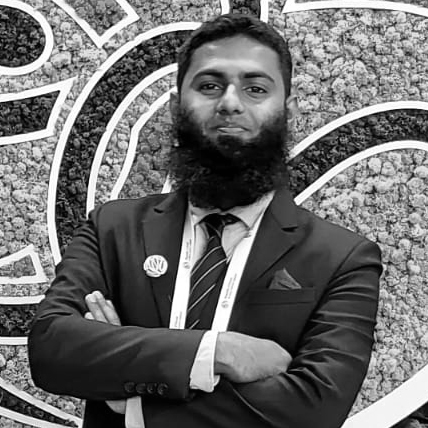
Abidur Rahman Abid talks about Loss and damage at COP27

Abidur Rahman Abid from Bangladesh:
“A message to the world – We need you to pay for our loss and damage now.”

I have been a witness to loss and damage due to climate change in my country since 2007. The cyclone “Aila” killed 190 people, destroyed 2 million houses and 3 million acres of crop land, and left behind over $270 million in economic devastation in total. In the same year, cyclone “Sidr” killed up to 4,000 people and caused an estimated economic damage of 2.3 billion. This cyclone also forced my family to migrate. Then came cyclone “bulbul” in 2019, cyclone “fani” in 2019, “amphan” in 2020, “yass” in 2021. All these cyclones have taken lives, people had to move, and have lost their crops and animals.

After every cyclone, the country is under water. What follows the floods is food and drinking water scarcity, health problems, financial and physical problems for the affected people. Bangladesh is also experiencing loss and damage from sea level rise, drought, salinity, etc.

Every day the intensity of climate change is increasing in Bangladesh, the loss and damage is increasing. It is the 8th most populated country of the world with most of its territory less than 10 meters above sea level. Bangladesh ranked 7th in terms of loss and damage from extreme weather events from 2000 to 2020, according to the 2021 Climate Risk Index.

4.1 million Bangladeshis were displaced due to natural catastrophes in 2019. In 2050, one out of seven people could have to move due to climate disasters. 11% of the coastal area will be underwater. This year’s heavy rains have been the worst monsoon rain in 122 years. One part of Bangladesh was underwater for two months.

Nations contributing to climate change have to compensate us for our loss and damages

We are not the cause of climate change, but we are the one of the most affected people and areas and bearing the costs of loss and damage. Research by IIED, UNDP and Britain’s Kingston University found that Bangladeshi rural people spend around 2 million a year on their own to prevent disaster. That is 12 times what Bangladesh gets from international donors. Nations that contribute to climate change must be held accountable, they have to compensate for our loss and damage.

As a climate migrant, I want justice and to fix the loss and damage properly. Developed countries committed to giving 100 billion US dollars at COP15 to the developing countries every year, but there hasn’t been a single year that has reached that amount. The closest registered contribution towards this target was in 2021, when public and private sources raised $80 billion. We also demand a stop to the debt collection from the global south. You need to put your money into adaptation projects for the most vulnerable communities, and you need to do it now.

At COP26 you made promises but you did not keep them. Now you are attending COP27 while my country’s people are dying. Bangladesh will not forgive you if loss and damage are not prioritised and implemented at COP27.


“We can’t go to school because of the climate crisis”

Karen is a 10-year old climate activist from Kenya. She is currently African Forest's brand ambassador and Team Environment Kenya’s international brand ambassador. She fights for intergenerational justice and a liveable planet at COP27.

Karen Wanjiru Kimani talks about loss and damage at COP27

Karen Wajiru Kimani:
“ Children are losing their education because of climate change. Listen to us children and pay for our losses.”

My name is Karen Wanjiru Kimani. Today, I want to talk about loss and damage.

I have a big tree nursery near my home in Utawala, Nairobi, with many different types of trees, and 30.000 seedlings. But I have been having a lot of problems. My trees are now very very big. Their roots have become big and gone past the pots. If you dig holes to plant them, they won’t grow well. They will be weak.

Why have my trees become so so big in my nursery? I will tell you why. It is because people are not buying my tree seedlings. Because there is not enough rainfall due to climate change. They say they will buy my seedlings when the rain falls. I will lose many trees if the rain continues to fail. Vinnie is the man who works hard to look after my tree seedlings when I am in school. He is hard working. He is paid when I sell tree seedlings. If I can’t sell my seedlings, I can’t get money to pay him.

Climate change causes big loss in Kenya. In northern parts of Kenya like Turkana, people continue to suffer due to climate change. They have lost almost everything. I see this on the news every day and it is very sad. Their cows, goats and camels have died. There is no water and food for the animals.

Loss and damage to us means no food, no water, no education

Children are going hungry because there is no rain to grow their food.

Children cannot go to school in these areas. They get school fees when their parents sell the livestock. Now almost all the livestock have died.

Climate change has brought this very big loss to them. Children are losing their education because of climate change. And that is why everyone must do something like I do about planting trees. This will increase rainfall.

Sometimes during the rainy season, the rains are too heavy. Heavy floods damage trees and crops. Climate change have also caused this heavy rains. Some homes and schools become flooded and are damaged by the water. Even some bridges and roads are damaged.

Climate change is a very serious problem in Kenya. Leaders need to find the solution. Leaders need to listen to everyone including children like myself because we are tomorrow’s leaders.


To keep to 1.5 degrees COP27 needs to deliver on climate justice
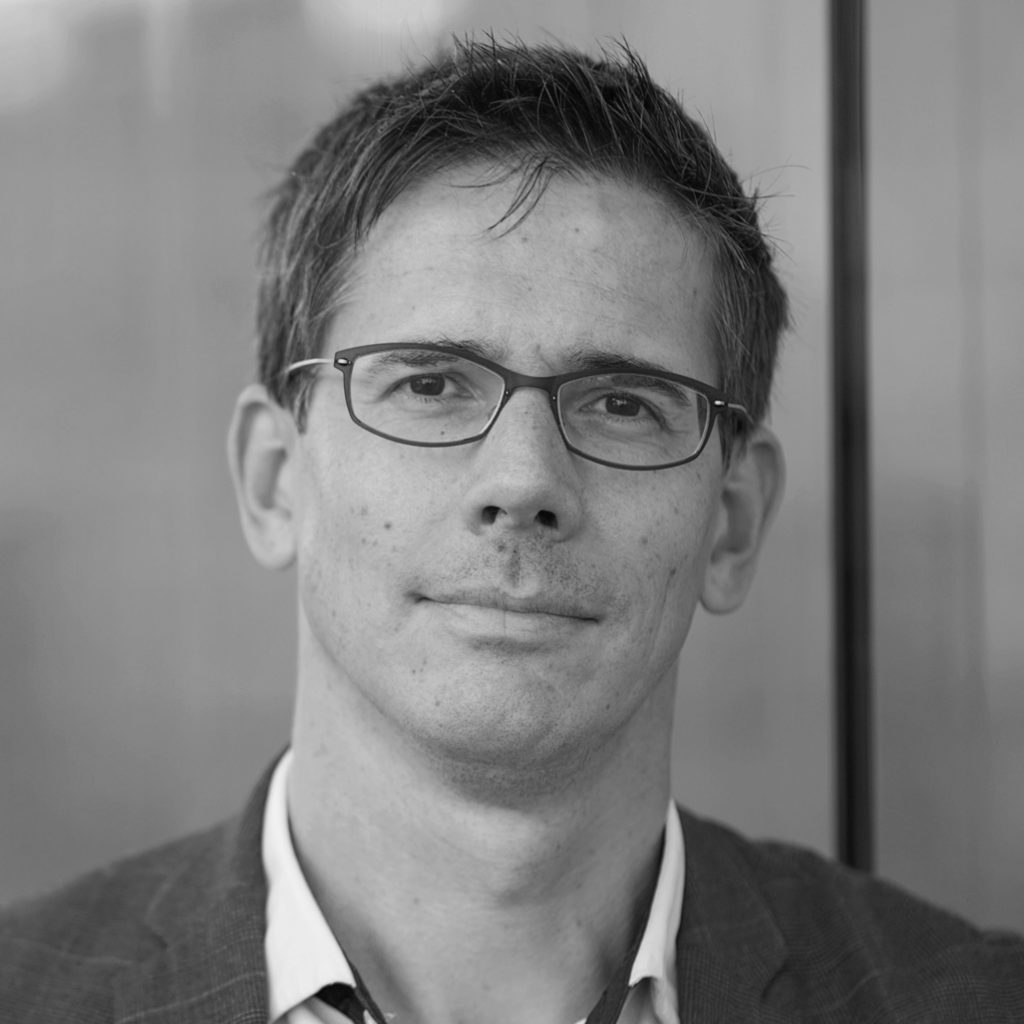
Greens/EFA MEP Bas Eickhout about loss and damages

The Greens/EFA MEP Bas Eickhout:
“The richest countries need to put the money where their mouth is. COP27 needs to deliver a Loss and Damage Finance Facility”

After devastating floods in Pakistan this summer, which displaced millions of people and destroyed the home and livelihood of hundreds of thousands, the discussion on Loss and Damage entered the center stage of the international climate debate. The climate change induced floods are estimated to have caused 40 billion dollars of damage, which is not only a catastrophe for a vulnerable country like Pakistan, but also a stark reminder of what is to come. 

With investments in mitigation and adaptation lacking and climate targets getting harder to reach, developing countries are estimated to face damage amounting to 290-580 billion dollars a year in 2030 and over a trillion dollars by 2050, every year. This would not only restrain their capability to ensure economic and social development, it would harm their ability to live up to the pledges under the Paris Agreement. Ensuring Loss and Damage action is literally a matter of survival.

Enough talking about loss and damage – let’s start real climate action at COP27

The notion of Loss and Damage due to climate change is not new. Since 1991, developing countries have demanded action, arguing that they are not the ones to cause climate change, but they will be the ones to suffer the consequences. This is undoubtedly true. Currently, the V20, 58 of the most vulnerable countries, which home about 20% of people on earth, cause 5% of global GHG emissions. The G7 is responsible for over a third of global CO2-emissions since 1850, despite being home to only 10% of the global population today. However, while these numbers speak for themselves, action has been slow and limited.

After years of discussion, in 2013 the Warsaw International Mechanism for Loss and Damage (WIM) was established, which was necessary for a more informed discussion on Loss and Damage. But, since then, the world has mainly talked, not acted. Typical is the outcome during the last COP, the world could only agree on another dialogue on Loss and Damage: the Glasgow Dialogue. Until now these dialogues have mainly shielded developed countries from taking meaningful action.

The richest countries need to put the money where their mouth is

Another discussion is a perfect stall for the richest countries, but developing countries will demand concrete action at COP27. And rightly so. Now that the issue is finally at the centre of the agenda, the climate summit cannot harvest any success without it. The richest countries need to put the money where their mouth is.

The G7 is therefore, in cooperation with the V20 – the 58 most vulnerable countries -, working on a ‘Global Shield against climate risks’, which is strengthening coordination, mobilizing and pooling donor funds and supporting insurance. While coordination of existing finance is indeed needed and insurance can be part of the solution, it won’t be sufficient to tackle the finance needs of countries which are already suffering to pay for existing debt payments. Let alone that insurance will reach the informal sector, protect human rights or prepare for future displacement and livelihood loss.

Therefore we need new, adequate and additional resources to address loss and damage, with a priority to grants, not private finance. That’s why the European Parliament calls for the establishment of a Loss and Damage Finance Facility at COP27. As lead of the EP-delegate I’ll be pressing for this during the COP in Sharm-el-Sheikh.

At COP27 we need to deliver on the Loss and Damage Finance Facility

NGOs and developing countries have shown us how such a facility could work. It should provide the necessary finance to support concrete projects, policies, planning and coordination and other activities to address Loss and Damage in developing countries. Both for slow-onset events (like sea-level rise) and rapid-onset events, such as storms and floods. Funding should be simply accessible and mainly come from developed donor countries which should set funding targets, as was done for mitigation and adaptation, so that there is a continuity in financing streams.

Whatever valid arguments developing countries might have, chances are very small that COP27 will deliver on a Loss and Damage finance facility. While the debate moved from technical assistance, to insurance schemes and a discussion on funding activities, the fundamental debate on liability is still undecided. As long as developed countries are not ready to admit that they have contributed the lion’s share of global warming, loss and damage will be keeping climate conferences hostage and making it increasingly difficult to keep warming to 1.5 degrees. 

Many of us may not want to admit or see it, but COP27 will be about climate justice.

Fighting TotalEnergies: Why climate activists shut down a giant fossil fuel corporation

On 8th and 9th October 2022, activists from the Code Rouge/Rood coalition in Belgium protested against the fossil fuel industry, in particular the multibillion-euro petroleum company TotalEnergies. During the action, over 1000 activists blocked TotalEnergies’ sites in Feluy and Liège by occupying railway tracks and roads near TotalEnergies’ depots. The protest caused the company to temporarily shut down their entire activities in Belgium.  

But who are the people behind ‘Code Rouge’? Why was ‘Code Rouge’ protesting against TotalEnergies and the fossil fuel industry? And why are more and more people using civil disobedience as a tool to stand up against the climate crisis, the energy crisis and poor workers’ rights?

The Greens/EFA MEP, Malte Gallée, joined the protesters that weekend as a parliamentary observer.  After the action, he sat down with our climate campaign intern, Michael, to talk about what he saw.

Malte Gallée © European Union 2022 - Source EP

Malte Gallée is a Greens/EFA MEP from Germany. He fights for climate protection and for a sustainable industry. He is also the youngest MEP in Brussels.

Michael Staniszewski

Michael Staniszewski is a Fridays for Future (FFF) climate justice activist from Germany. He worked on the movement’s #NotMyTaxonomy campaign and actions.

Who is Code Rouge/Rood and what do they want?

Code Rouge/Rood is a coalition of various organisations and groups engaged in the fight for climate justice. In the face of climate disaster, skyrocketing energy bills, human rights violations, neo-colonialism, wars and conflicts, they demand a just energy transition away from fossil fuels towards a renewable energy system that works for all. Their name “Code Rouge/Rood” (in English: Code Red) underlines the urgency for climate action.

Why use civil disobedience against the climate crisis?

Michael: You accompanied the non-violent mass civil disobedience action “Code Rouge/Rood” as a parliamentary observer. Have you ever witnessed a protest like this before?

Malte Gallée MEP: I have actually never actively participated in this kind of action before. But I was involved in supporting logistics during an action by “Ende Gelände” [the German climate justice movement calling for an end to coal power], where they blocked coal infrastructure in Germany. So I do know and value this form of protest. As a parliamentary observer at Code Rouge/Rood, I had to monitor closely what both the activists and the police were doing.

Michael: Talking about Ende Gelände, we hear that there can be some police violence and repression against peaceful activists. How was it at the Code Rouge/Rood protest?

Malte Gallée MEP: I was extremely surprised by how well the action went. I was very glad that there were no repressions from the police. I didn’t see any and I was also not notified of police brutality.The activists and the police were just looking at each other.

Who are the people behind Code Rouge/Rood?

Michael: Can you tell us a bit about the people protesting at Code Rouge/Rood? 

Malte Gallée MEP: That is the second thing that surprised me in a very positive way! The activists represented a broad spectrum of society. From 18-year-olds to pensioners, it was a wild mix of people that were blocking the destructive and exploitative interests of TotalEnergies. It was a truly intergenerational protest.

Michael: That’s what intergenerational justice is all about: recognising that young people will suffer longer from the consequences of the climate crisis. It’s nice to see that there was so much solidarity between younger and older people at the Code Rouge protest. Why do you think such protests are necessary and needed?

Malte Gallée MEP: These kinds of actions show how vulnerable and problematic large scale fossil fuel infrastructure is. An excellent example are the Nord Stream pipelines in the Baltic Sea, which have been damaged by suspected sabotage. It shows that energy dependency makes us more vulnerable to violence and war. Protesting against our dependency on fossil fuels can send an important signal that the energy production of the future has to be decentral and renewable. Young generations deserve a liveable future. They should be able to defend this right through protest.

The truth about TotalEnergies –  human rights violations and the East African Crude Oil Pipeline

Michael: I saw that you were part of a group of MEPs that travelled to Uganda this summer to talk with local people affected by the East African Crude Oil Pipeline (EACOP) project planned by TotalEnergies. What did you experience in Uganda and is this linked to the Code Rouge/Rood action in any way?

Malte Gallée MEP: Yes, there is definitely a connection, especially as the Code Rouge/Rood protest directly addressed TotalEnergies. I think it is important to take a position against the EACOP project. We need to stand in solidarity with the people affected by it. This is what Code Rouge/Rood did. I wanted to use my privilege as a MEP to guarantee that peaceful protest against TotalEnergies can take place.

“The Ugandan system is very repressive. The people in the country suffer massively under Total’s activities. They are displaced from their land.”

What is EACOP?

EACOP stands for East African Crude Oil Pipeline. It is a large-scale fossil fuel infrastructure project of TotalEnergies. The over 1400km long pipeline, if built, is going to be the longest heated oil pipeline in the world. It will be responsible for over 34 million tons of CO2 emissions per year – that is 7 times the annual emission of Uganda. The controversial project has received a lot of criticism, as 400 villages in Uganda and Tanzania were displaced because of it and numerous human rights violations have been reported. The pipeline is planned to cross over 200 rivers and is supposed to go through important nature reserves. Several climate justice movements have united and supported the #StopEACOP campaign, which aims to stop the project from being constructed.

In Uganda, however, the situation is totally different. The Ugandan system is very repressive. President Museveni has been in power since 1986. The people in the country suffer massively under Total’s activities. They are displaced from their land. Total refuses to pay reparations and if they speak up against EACOP, they are extorted, arrested or receive death threats. TotalEnergies is denying all of this, which is why it was especially important for us to be present and document it.

Recently, the police there arrested a group of students after they protested peacefully in front of the European Liaison Office, trying to hand over a presentation. The police took their phones and I saw terrible pictures of them being beaten into police trucks. It is frightening to see. I want to defend the right to protest everywhere and this is why I wanted to be a parliamentary observer.

Why are European fossil fuel companies exploiting African countries?

Michael: Ultimately, the pipeline is there to transport crude oil out of Uganda to be able to export it for the international market. The profits of this will mainly go to rich shareholders of TotalEnergies in Europe. Does that sound neo-colonialist to you too?

Malte Gallée MEP: Absolutely! There is actually a law in Uganda to prohibit these particular practices. The law makes it illegal to export raw materials, which is unfortunately still a huge problem for many African nations. They serve as providers for raw materials without local value creation happening. This means that the raw materials are not processed further on a local level, so local people are not able to profit from them.

But somehow the Ugandan government forgot that crude oil is also a raw material.  So TotalEnergies is proceeding with its neo-colonial and imperialist practices on the ground.

What is neo-colonialism?

Neo-colonialism is the continuance of previous colonial powers exploiting former colonised regions and communities by using other types of control that cause a dependency relationship towards the neocolonial power. Types of neocolonialist control can be economic or cultural imperialism, globalisation or conditional aid which ultimately aim to influence or control countries in the Global South. This often results in debt obligations, which are forcing impoverished nations to further extract natural resources such as fossil fuels to be able to pay back their debts. It is primarily the Most Affected People and Areas (MAPA) by the climate crisis who are exploited and whose situations are worsened by these neocolonialist practices. Therefore, the climate justice movement has to stand in solidarity with the MAPA and initiatives such as Debt for Climate to position itself anticolonial.

What can the European Parliament do against the EACOP project?

Michael: I think the documented human rights violations speak for themselves, unfortunately. Is there a way the EU or the European Parliament can do something against the EACOP project? After all, TotalEnergies is a company based in Europe and should stand for European rights and values.

Malte Gallée MEP: I agree! In France, there is a law regulating the supply chain to make sure  companies do not violate human rights. Because of this, the French court has the authority to prohibit TotalEnergies’ projects until they solve those problems. We are working on a similar law at European level. We need a European law that guarantees European companies will commit to protecting human rights outside of Europe.

Michael: Recently, the European Parliament adopted a resolution on the EACOP project, condemning the human rights violations and putting pressure on TotalEnergies. Does TotalEnergies care about their human rights violations?

Malte Gallée MEP: TotalEnergies is trying to greenwash the whole project. They are advertising it as the climate friendliest pipeline in the world. It makes no sense! It’s a pipeline! Its whole purpose is to transport oil, which will be burned and end up in the atmosphere.

But, slowly, TotalEnergies is getting nervous. They recently told the Ugandan government that they should respect human rights in a letter. What happened? Two days later, the government arrested some peaceful student protesters. I can well imagine why TotalEnergies’ CEO, Patrick Pouyanné, refused to come to the European Parliament to answer our questions. It would have been a disaster for him.

I would love to ask him: Thank you for the letter Patrick, but what about taking responsibility for TotalEnergies’ actions? Ultimately, you are the one who could do something about them. What about that?

Workers’ rights – Climate activists and the European Parliament need to stand in solidarity with TotalEnergies’ workers

Michael: Another thing that makes me furious is that TotalEnergies made around $10 billion profit this year – and still they are not paying their workers properly. This is why Code Rouge/Rood has been standing in solidarity with the workers’ strikes in France. The strikers are demanding a 10% increase in wages to be able to cope with inflation and higher energy costs. Due to the strikes, many petrol stations around Paris have run dry, causing long queues in front of them. It is obvious that we, as climate activists, have to keep the pressure up. Talking about these issues on social media or in our social environment is a first step. What else could we do to put pressure on TotalEnergies, while showing solidarity with the striking workers?

“One of the most valuable things we have in our democracy is peaceful protest!”

Malte Gallée MEP: One of the most valuable things we have in our democracy is peaceful protest! We should use this privilege to contribute to the debate and take a position against Total. Of course, you can boycott Total. But we can’t solve these issues by putting the responsibility on the individual. It is the job of politicians to end our dependence on fossil fuels, for the people and the planet. This is what we are working on as the Greens/EFA group.

Do you want to do something against the greed of fossil fuel companies and their neo-colonial practices? Do you want to speak up for human and workers’ rights? Come and join us on Sunday 23rd October on the streets of Brussels for the big Climate March. The demonstration will start at 13h at Brussels North Station. The Greens/EFA Group will be present with flags and posters. We’d love to see you there!


One year after the Pandora Papers scandal – has the EU learned any lessons on tax havens?

On 3 October 2021, a gigantic journalistic effort by the ICIJ uncovered the biggest scandal on tax avoidance, the Pandora Papers. These revelations show how the richest and most powerful companies and billionaires are finding loopholes to hide and increase their wealth at the expense of society. The list revealed the names of world leaders, politicians, business owners, and oligarchs. They all seem to think that the tax rules don’t apply to them. The wealth of those representatives of the top 1% comes from the work and the lives of the other 99%.

One year after the Pandora Papers – what have we learnt from it?

One year after this unprecedented leak, some governments are still blocking some of the most important European laws. These laws would move the EU towards a fair and redistributive economy. Much like the billionaires in the Pandora Papers, it seems like these governments prefer to put their own interests and needs above those of society. Although the difference between them and millionaire entrepreneurs is that governments are responsible for the welfare of their citizens. This is why the governments in power have to put the citizen’s needs at the forefront of their decisions.

The cost-of-living crisis that is hitting the European Union hard would require radical fiscal decisions. The rise in energy prices has been generating super profits for the biggest companies for months. The richest continue to get richer while the rest of society struggles to pay ever-increasing bills. This is why we have been calling for a windfall tax on all sectors. But we need to start with the largest energy companies and redistributes these unfair profits back to the people.

At a time when Europe is seeing a cost-of-living crisis we need to act fast. But we still seem to be stuck in a limbo where there are no political decisions. The rich keep getting richer and people’s bill increase while they remain helpless and powerless

So what needs to change to ensure tax justice in Europe?

We really want to learn from the endless tax scandals that journalists worked so hard for to uncover. And there are a series of steps that the EU and its member states must take. It is time to stop delaying decisions that maintain a status quo where corporations are at the core of EU policies. The EU needs to make decisions for people – and not for profit. Sadly enough, tomorrow, Tuesday 4 October 2022, the Ministers of Finance will meet, but not discuss any of the much-needed tax reforms. A truly depressing Pandora Papers anniversary. As the Greens/EFA group in the European Parliament we call for them to once and for all commit to real tax justice. 

This is what we propose to fight tax injustice:
  • We need to stop these small updates of the European blacklist of tax havens. The Greens/EFA are calling for a comprehensive reform. The blacklist should include all states and entities where oligarchs, millionaires and large companies hide their funds.
  • The EU needs to ban shell companies, and it has to do it now. The super-rich must no longer be able to hide behind fake companies to avoid paying their fair share of taxes.
  • EU Member States must pass the directive on the minimum effective tax of multinationals immediately. The EU’s largest economies have signalled their readiness to tax the largest multinationals. As the profits of multinationals soar, other Member States should take the necessary steps to make this a reality across the EU. We must not succumb to individual blackmail.
  • The revision of the EU’s anti money laundering package is an opportunity to have strong rules to fight financial crimes. EU Member States should not water it down. They need to show that they are willing to do what it takes to fight financial crime. They have to guarantee that the EU economy is a fair playing field for all actors. It’s not a playground for those who don’t play by the rules.

If we manage to succeed in these measures, then and only then will we have learnt any lessons from the Pandora Papers. An EU that we can be proud of is an EU that does not surrender to the powers of billionaires and multinationals. It is one that ensures that the people and the planet are at the core of all its decisions, not profit.

What are shell companies and why are they facilitating tax avoidance?

A shell company is a legal entity that does only exist on paper but has no employees or physical offices. Shell companies are therefore “fake” businesses or company subsidiaries founded to move money from one individual and company to another without paying taxes.

The Pandora Papers once again revealed the misuse of these so-called shell companies to allow oligarchs and shareholders to avoid paying taxes.

Droughts are a threat to peace in Europe – Why we need democratic water management in the EU

Droughts will become a new reality in Europe as climate change is in full swing. On the other extreme, floods swept across Belgium, Germany and the Netherlands last year. This is why European water management must be at the centre of our fight against the climate crisis, says the Greens/EFA MEP Benoît Biteau.

“If you see me, weep”. These words are carved into the “Hunger Stone” from 1616, near Decin in the Czech Republic. It was fully under water for decades. Now it is clearly visible, witness to the low water level in the Elbe River. As if we needed another prophetic call to wake us up. According to the Global Drought Observatory, Europe is facing its worst drought in at least 500 years.

I come from Charente-Maritime in the South-West of France. As a farmer living in this territory of marshes, wetlands and rivers, I have witnessed a silent spring (though not the same one as described by Rachel Carson in 1962 in her ground-breaking book which shaped the US environmental movement). Of course, the warbling of birds has disappeared too, but I’m talking about the vanishing of that whispery swash of water. First, the farmers – encouraged by the French government – drained the wetlands to sow corn. Then they pumped the rivers and used ground water to water their crops. Now the corn cannot even grow due to the droughts all over Europe and the rivers are gone. This is the case all over Europe: glaciers are collapsing, seawater is flowing into freshwater riverbeds, and cities are facing water shortages.

The right to water – Farmers, industry and consumers are fighting over a scarce resource

Climate change is here and it is a threat to our fundamental rights. The UN has even recognised the right to water as a fundamental human right. The UN even acknowledges that this right forms the basis of all other rights. The droughts in Europe are the pillars of our existence. Now this pillar is in danger and we can feel it. When existential threats arise, the spectre of conflict looms. Either locally, between farmers, industries and citizens, or between countries.

In my home region, an open conflict over water is now pitting some farmers, environmental associations and concerned citizens against farmers using ground water. The French State never played its role of mediator. It has continuously backed those irrigation farmers, despite their disregard of its own laws and court decisions. Five existing agricultural reservoirs have been ruled illegal. Yet, the French authorities are taking no action to fix the situation, leading to radical action by citizens’ collectives. This, in turn, triggers the anger of irrigation farmers.

Droughts in Europe – Will we face more water struggles on a European level?

Here in Europe, home to the highest number of shared river basins in the world, we could face many water conflicts like this. With more and more droughts, disputes over water use are now about survival. The struggle between Portugal and Spain in 2019 is a damning example.

All watercourses that flow into Portugal have their sources in Spain. The Convention of Albufeira, in which Spain commits to supply a certain amount of water to Portugal, binds the two countries. In 2019, the Iberian peninsula faced a terrible drought, which led to diplomatic tension between the two parties on the proper application of the Convention. At this stage, fortunately, no harm was done. But it should be a wake-up call that climate change and the increasing droughts will worsen resource scarcity.

The European Union was built on the promise of peace. Though the EU faces many criticisms, it has not yet failed on that initial promise. However, times are changing and new challenges to peace arise. We have to strengthen the democratic management of our common resources, such as water, at European level.

Water as a peace projectThe European Union needs to manage our water democratically now

Rivers and lakes do not stop at borders. European water laws are totally neglecting the management of water quantity and water allocation when it flows between several countries. In fact, European legislation does not address the quantity of the water in our rivers and lakes. This void could fuel political tension among EU countries and citizens. It must now be fixed to brave the new climate reality that is upon us.

We not only need more fire fighters, we need to prevent fires from happening

This crisis is not circumstantial. It is structural. The time has come for global thinking. No technological fix can solve the situation; some might even make the situation worse. We need a true paradigm shift in our vision of natural resources – from extractivist to regenerative. To remain a peacekeeper, not only should the EU have more fire brigades, to extinguish forest fires. The EU must become an environmental champion, to prevent those from happening. Sustainable agriculture and a strong EU water management legislation could be the starting point.

Agroecology has a great potential to start a virtuous circle of ecosystem restoration.  It’s our best ally in climate change mitigation and adaptation. European policies are not yet in line with these challenges. Events of this summer, droughts in Europe and floods in Pakistan, should flow into our political action. Let’s make water the source of a renewed European peace project.

Follow our campaign on ‘Food that’s good for people and planet‘ or watch Benoît Biteau’s interview about the challenges of European agroecocology with director Frédéric Tellier and actrice Emmanuelle Bercot below.

Travailleur.se mais pauvre : comment l’UE peut fixer un salaire minimum décent pour tout le monde ?

Cette semaine, la directive européenne sur le salaire minimum deviendra réalité lors de la séance plénière du Parlement européen. Mais qu’est-ce que la directive européenne sur le salaire minimum ? Et comment va-t-elle aider les citoyens de l’UE à payer leurs factures, qui ne cessent de d’augmenter ? L’eurodéputé Verts/ALE Mounir Satouri vous dit tout ce que vous devez savoir sur la nouvelle directive.

Joana a 42 ans, elle est mère célibataire d’un petit garçon de 6 ans. Elle travaille dans une boulangerie à Prague, en Tchéquie, d’où elle est originaire. Bien qu’elle travaille à plein temps et perçoive une pension alimentaire de l’État, ses revenus ne suffisent pas à couvrir le loyer de son petit appartement, à fournir une alimentation saine à son enfant ni à payer ses factures.

C’est la réalité de millions de personnes de tous âges et de tous horizons à travers l’Europe. La situation était déjà difficile avant la guerre en Ukraine. Aujourd’hui, l’explosion du coût de la vie plonge de plus en plus de personnes dans la pauvreté – même quand elles travaillent à temps plein dans un emploi stable. En Belgique par exemple, il faut désormais 33 jours de travail au salaire minimum pour payer sa facture énergétique annuelle.

Alors comment se fait-il que nous ne puissions pas payer nos factures, alors que nous travaillons 40 heures par semaine ou plus ? Que peut faire l’UE pour résoudre ce problème ? Et qu’est-ce qui changerait s’il y avait un salaire minimum pour tout le monde ?

Salaire minimum dans l’UE : comment réduire le grand écart ?

Qu’est-ce que le revenu minimum ?

Le revenu minimum est un niveau minimal de revenu que l’Etat décide de garantir à tous ses citoyens et leurs familles. Ses conditions d’octroi peuvent beaucoup varier selon les systèmes en place. Le revenu minimum permet de réduire la pauvreté et de contribuer à garantir des conditions de vie décentes, y compris aux personnes les plus vulnérables exclues du marché du travail.

Qu’est-ce que le salaire minimum ?

Le salaire minimum est le montant minimum par heure que les employeurs doivent payer à leurs employés. Il est souvent défini par la législation nationale ou par des conventions collectives sectorielles afin que les employeurs ne puissent légalement pas descendre en dessous de ce taux horaire.

En juillet 2022, le salaire minimum au sein de l’UE variait de 363 euros par mois en Bulgarie à 2 313 euros au Luxembourg. Exprimé en capacité de pouvoir d’achat, le salaire minimum le plus élevé représente presque 3 fois le plus bas. Qu’il soit fixé par la loi ou déterminé par des conventions collectives, le salaire minimum fait le grand écart au sein de l’Union européenne. C’est un véritable casse-tête pour la solidarité du projet européen.

Le groupe Verts/ALE au Parlement européen essaie de corriger cette inégalité et veut assurer un salaire décent aux travailleurs.ses. C’est pourquoi nous soutenons la directive sur les salaires minimums adéquats en Europe. Elle appelle chaque État membre à établir un salaire minimum proportionné à son coût de la vie national. Le montant spécifique du salaire minimum sera déterminé au niveau national par une série de critères directeurs, notamment le seuil de pauvreté (60% du salaire médian).

Une directive européenne sur le salaire minimum: qu’est-ce-qui va changer ?

L’adoption de la directive pour des salaires minimums en Europe prévue ce 14 septembre 2022 marque une victoire importante pour une Europe plus sociale. C’est la promesse d’une convergence vers le haut où deux-tiers des États membres verront leur salaire minimum augmenter : un impératif pour la cohérence du projet européen et pour lutter contre la pauvreté.

Convaincus qu’avec cette directive, l’UE a les moyens de devenir un solide rempart contre la crise sociale, les écologistes se sont battus pour les droits de l’ensemble des travailleurs.ses sans discrimination. Nous avons réussi à inclure les travailleurs.ses des plateformes, comme les livreurs ou les chauffeurs Uber, dans la directive. Alors qu’ils sont presque toujours qualifiés d’indépendants et dépourvus de protection au travail, cette directive leur assure au moins le bénéfice du salaire minimum dans leur État membre.

La directive sur le salaire minimum peut-elle répondre aux effets de l’inflation ?

96, 5 millions de personnes sont à risque de pauvreté ou d’exclusion sociale aujourd’hui au sein de l’Union européenne. Un chiffre vertigineux qui promet pourtant d’exploser dans les prochains mois.

Face à une inflation annuelle dans la zone euro à 8,9 % en juillet 2022, les salaires minimums doivent garantir un pouvoir de vivre aux travailleurs.ses. Il est urgent de les accompagner pour leur assurer un mode de vie dans la dignité.

Sur notre proposition, le recours à un panier de biens et de services à prix réels participe à définir le seuil de décence d’un salaire durable. Il s’agit d’être dans la réalité quotidienne des travailleurs-ses européen.nes au salaire minimum. Parce qu’ils doivent pouvoir se nourrir sainement ; parce qu’ils n’ont pas à vivre dans des passoirs énergétiques ; parce qu’ils n’ont pas à choisir entre accès à Internet ou soins de santé ; parce que la transition vers une économie verte et inclusive ne réussira qu’avec eux ; les États membres doivent adapter leur salaire minimum au coût de la vie.

Qui bénéficiera le plus de la directive sur le salaire minimum ?

Progressivement, 25 millions de travailleurs.ses verront leurs salaires augmenter de 20% et le taux de pauvreté au travail devrait enregistrer une baisse de 10% grâce à la mise en œuvre de cette directive.

Premières concernées par les bas salaires parce que surreprésentées dans les secteurs les moins rémunérateurs, les femmes bénéficieront particulièrement de cette directive. L’écart de rémunération entre les sexes devrait en effet se réduire d’au moins 5% alors qu’il plafonnait à 14,1% pour l’UE en 2019 et n’a que peu changé au cours de la dernière décennie.

Par conséquent, la directive sur le salaire minimum est une victoire massive pour les femmes et les groupes ou personnes vulnérables sur le marché du travail.

Pourquoi la directive sur le salaire minimum renforcera les droits des travailleurs.ses et l’économie européenne ?

Avec ce texte, nous portons le taux de couverture des conventions collectives à 80% et renforçons les syndicats dans leur rôle. Les travailleurs.ses à bas salaire ayant un pouvoir de négociation plus faible, ces mesures sont indispensables pour sécuriser leurs droits et réduire les inégalités salariales.

Aujourd’hui, le législateur européen fait la démonstration que l’UE sait réagir en temps opportuns pour faire une réelle différence dans la vie des gens et améliorer la résilience de notre économie et de notre société face aux crises.

Les Etats membres ont deux ans pour transposer la directive mais face à l’urgence, nous avons besoin qu’ils agissent maintenant et rapidement. Nous appelons les Etats membres à prendre les devants et à remplir leur devoir de protection des travailleurs.ses à bas salaire dans les plus brefs délais.

Pour le groupe Verts-ALE, l’avènement de l’Europe sociale passe par l’accès de toutes les travailleuses et de tous les travailleurs à un salaire minimum décent dans leur pays et de toutes les citoyennes et tous les citoyens européen·ne·s à un revenu minimum. Nous appelons la Commission à faire preuve d’ambition et à proposer au plus vite une directive sur un revenu minimum dans l’UE.

Working but poor – How the EU can fix decent minimum wages for everyone

This week the EU minimum wage directive will become reality in the European Parliament plenary. But what is the EU minimum wage directive? And how exactly will it help people in the EU to pay their rising bills? The Greens/EFA MEP Mounir Satouri tells you everything you need to know about the new directive.

Joana is 42, a single mother to a six-year-old son and works in a bakery in Prague. Although she is working full-time and gets child support from the state, her income is not enough to cover the rent for her small apartment and provide healthy food for her child or pay her bills.

This is the reality of millions of people across Europe – people of all ages and with all kinds of different backgrounds. Making ends meet was already tough before the war in Ukraine. Now the cost-of-living crisis is driving more and more people into poverty, even if they are working full-time in a secure job.

So how come we can not pay our bills although we work 40 hours a week or more? What can the EU do to fix this? And what would change if there was a minimum wage for everyone?

Minimum wages in the EU – How to bridge the differences?

What is minimum income?

Minimum income is a system that guarantees that you have sufficient income to be able to live and pay your bills if you contribute to the labor market or community work in some form or another. This way minimum income is supposed to reduce poverty and ensure a decent standard of living for everyone.

What is minimum wage?

Minimum wage is the minimum amount per hour that employers and companies have to pay to their employers and workers. It is often defined by national legislation or collective agreement so employers cannot legally pay beneath this hourly rate.

Whether it’s fixed by law or by collective agreements through trade unions, the minimum wage differs greatly from country to country within the European Union. In July 2022, the minimum wage was just €363 per month in Bulgaria but stretched to €2313 per month in Luxembourg. When it comes to Purchasing Power the Luxembourgish minimum wage is almost 3 times as high as the Bulgarian one. Purchasing Power describes how much you can actually buy at the supermarket once you factor in how food and other goods are priced.

But how can we fix this inequality? How can we ensure a sufficient income and decent standard of living for everyone in work? The Greens/EFA Group in the European Parliament is supporting the directive for minimum wages in Europe. This new legislation calls on each EU country to set up a minimum wage that is proportionate to the cost of living. There are a number of defined criteria in the EU minimum wage directive that will guide the specific amount of the national minimum wage.

What will change with the new directive?

The European Parliament will adopt the directive for minimum wages in Europe on 14 September 2022. This day will mark an important victory for a more social Europe. Two-thirds of the countries in the EU will see their minimum wage increase.  The directive fights poverty on a European level – raising wages for people who are struggling the most. It will also even out the big disparities that exist right now between the member states.

The EU’s minimum wage directive will be a solid defense against the cost-of-living crisis.

The Greens/EFA fought hard to include platform workers in the directive, as all workers should benefit from this minimum legal protection. Platform workers, such as food delivery drivers, are almost always classified as independent and left without protection at work. The EU minimum wage directive will lift their wages to be able to pay their bills.

How will the EU minimum wage directive tackle the effects of inflation?

Today, 96.5 million people in the European Union are at risk of poverty or social exclusion. A dizzying figure that promises to explode in the coming months, as the energy crisis and the cost-of-living crisis deepens.

Faced with annual inflation in the eurozone at 8.9% in July 2022, minimum wages must guarantee workers the right to a dignified and decent standard of living.

Everyone must be able to buy healthy food to feed their families. Every family should have electricity and heating, especially during the winter. People should not have to choose between internet access or health care.

Minimum wage should be grounded in reality. Food costs and household bills are spiralling. Before fixing a minimum wage, EU governments must ask themselves honestly – what does it truly cost to feed a household today? The minimum wage directive will force them to answer – and to tie their country’s minimum wage to the real cost of living.

Who will benefit the most from the EU minimum wage directive?

In total, 25 million workers will see their wages increase by 20%. The rate of in-work poverty will drop by 10% thanks to the EU minimum wage directive.

In particular, the minimum wage directive is a massive win for women and marginalized groups or people within the labor market.

Women will especially benefit from a raise in minimum wages. They are overrepresented in the lowest paid sectors and first affected by low wages. This pay disadvantage increases with other intersecting discriminations, such as ethnicity, sexuality or socio-economic background.

The EU minimum wage directive will also directly affect the gender pay gap. The EU is expecting the gap to narrow by at least 5%. The gender pay gap in Europe peaked at 14.1% in 2019 and has changed little over the past decade.

How decent living wages will strengthen worker’s rights and the EU economy

The EU minimum wage directive will strengthen the role of workers unions and bring the number of employees covered by collective agreements to 80%. Since low-wage workers have weaker bargaining power, these measures are essential to secure their rights and reduce wage inequality.

Governments will have two years to bring their national laws in line with the new directive. But given the urgency of the cost-of-living crisis, we need them to act quickly. The Greens/EFA call on EU Member States to take the lead and fulfill their duty to protect low-wage workers as soon as possible.

This is a big win that will make a real difference in people’s lives. But the fight doesn’t end here. The minimum wage directive will guarantee that all workers earn a decent minimum wage no matter where they live. But a truly social Europe must protect all citizens, not just those in work. The next goal is to ensure an EU standard for a minimum income for all citizens. We call on the European Commission to show ambition and to propose a directive on a minimum income in the EU as soon as possible.

How the EU Digital Services Act can help fight disinformation online

Disinformation is a powerful weapon in Russia’s war against Ukraine. With deep fake videos, misleading “facts” and outright lies going viral, some media outlets have called it the first social media war. But, how do Big Tech companies profit from spreading disinformation about the war? And what can we do to combat disinformation online? Patrick Breyer MEP explains how the EU’s Digital Services Act plays an important role in the fight against disinformation.

As the old adage goes, truth is the first casualty of war. Since the start of Russia’s war against Ukraine, Big Tech platforms (like Facebook or Instagram, both owned by mega-corporation Meta) have hosted posts that deny, glorify and justify war crimes. Online platforms have a responsibility to identify and stop disinformation. And yet, these malicious posts continue to spread.

The truth is that disinformation is a profitable business for online platforms. The more outrageous and provocative their content is, the longer we stay on their apps and websites. And then there are automated ‘recommender systems’, algorithms that decide the content for your facebook feed or Youtube watch list. Those algorithms will often resort to showing us conspiracy theories, disinformation and polarising content in their desperation to keep us clicking.

Disinformation poses a severe threat to European societies. Extremis groups or authoritarian governments can use these recommender systems to spread lies and manipulate their followers. Stumble onto one Youtuber with extremist views? Here are five more you can follow. Right now, the Russian government is deceiving Russian citizens with disinformation to justify the aggression against Ukraine.

Read on to find out how the EU’s new legislation regulating online platforms – the EU Digital Services Act – could play an important role in the fight against disinformation.

The EU vs. Big Tech: who should decide what constitutes disinformation

What is Big Tech?

Big Tech is used to describe the four or five largest and most dominant technology companies, usually Alphabet (which controls Google), Amazon, Apple, Meta (which owns Facebook, Whatsapp and Instagram) and Microsoft.. These companies represent a formidable economic force. Big Tech account for a fifth of all earnings accrued by the S&P 500 by 2023. Because they dominate the tech market and are used by billions of people, these companies also wield an immense influence over the way we communicate, work and do business online.

In the battle against disinformation, it could be tempting to put the responsibility entirely in the hands of the tech companies. Big Tech is already policing some of what’s people are posting on their social networks.  On  February 26th, Meta took the decision to restrict access to Russia Today and Sputnik, two Russian media outlets, across Europe. Meanwhile, Twitter has  added extra labels to “Tweets that share links to Russian state-affiliated media websites.” Twitter now also labels “accounts and Tweets sharing links of state-affiliated media outlets in Belarus.”

Who should rule the internet?

However, the CEOs of Big Tech should not be encouraged to take backroom decisions over what content is visible. This only entrenches their control over what users in the European Union get to see and which information is credible. Governments making direct calls to Google and Meta represents a threat to democracy.

Filtering, removing or demoting legal content is the wrong approach. It’s prone to abuse and censorship and will drive people towards uncensored and unmoderated channels. These channels present them with often with even more extreme content. A better approach to this problem is to let users appreciate the credibility of information. Users can do this with fact-checking, warnings, background information and user rating (or flagging) systems. We can’t solve this problem with a quick-fix sticking plaster of censorship and bans. In the long term, we need an approach that encourages critical thinking, media literacy and media diversity to build a society that’s more resilient to the spread of disinformation.

Why is disinformation a profitable business for platforms?

In a study “the future of online advertising” commissioned by the Greens/EFA,  Duncan McCann, Will Stronge and Phil Jones exposed how platforms manipulate our personal data for profit. The study highlights how disinformation is a very profitable business. According to a 2020 report from the Global Disinformation Index, over $76m is paid by advertisers to disinformation sites every single year.

We commissioned a study on “The Future of Online Advertising” earlier this year. Our study is exposing how online platforms and Big Tech manipulate our personal data for profit.

Big Tech’s business models rely on ‘surveillance-based advertising’. Everything from our web searches to our clicks to our personal details is tracked. Our private data is used to choose which online ads to show us. But online platforms also profit from spreading and amplifying disinformation through their ‘recommender systems’. Algorithmic recommender systems curate which content users see while scrolling, based on content that they or their friends have interacted with before.

Recommender systems – why are they profit making machines for Big Tech?

During a hearing at the European Parliament, a whistle-blower from Meta (previously Facebook), Frances Haugen, revealed that algorithmic recommender systems actually favour disinformation and violence over factual content. Extreme content and disinformation are more likely to keep users scrolling on their social media feed. Therefore they create more income through ads for the Big Tech platforms.

So long as this remains the business model, problematic content will thrive. In fact, without the lucrative revenue from surveillance-based ads, disinformation sites would be less prolific. As a result we would potentially have less radicalisation and polarisation in our society.

We cannot tolerate that companies are making profit from the promotion of hatred and disinformation. Read on to find out how the Greens/EFA Group will continue the fight for EU-wide protection from hate speech and disinformation.

Information over profit – How the Greens/EFA want to stop disinformation

Russia’s war on Ukraine has caused a sudden spike in online disinformation, as the Kremlin scrambles to manipulate ordinary Russians into supporting the war. Manipulated photos, deepfake videos, fabricated news stories, unofficial social media accounts and outright lies have cropped up on all online platforms.

This has proven the urgency for the EU to step in and regulate online platforms and their algorithms. A new piece of EU legislation,  the Digital Services Act (DSA), has been negotiated which should do just this. The Digital Services Act aims to create a better and safer internet, protect our private data and give more power to people online. This is the perfect chance to crack down on disinformation.

How we will fight toxic algorithms and the spread of disinformation with the EU’s Digital Services Act:

  • Banning surveillance advertising. We have to ban platforms from presenting ads to people-based profiling and tracking people using sensitive data (such as health, sexual orientation, religion etc).
  • Having fair choices. Users should have a fair choice to say no to tracking advertising. And it shouldn’t be possible to trick internet users by making it harder to say no than yes. It should be easy to switch it off.
  • Tackling manipulative algorithms and Big Tech’s divisive business models. We need to introduce clear and meaningful transparency rules and control over recommender systems and algorithms. Users have the right to opt out of the commercial recommender algorithms. Tech corporations should not be allowed to decide on their own what appears in the timelines of users and what does not.
  • Ensuring researchers and non-governmental organisations (NGOs) get access to the right data. The Digital Services Act will give researchers and NGOs the opportunity to analyse platform data and how profit-driven algorithms spread disinformation. This way we can make better laws to protect ourselves from it.
  • Making sure Big Tech don’t get too powerful. The EU Commission has strong, centralised supervisory powers when it comes to the obligations for very large online platforms.

On 20th January 2022, the European Parliament voted on its position on the Digital Services Act. In April 2022, ministers from EU governments along with representatives from the European Parliament have negotiated the final text of the law. The European Parliament is expected to vote on the final text in the upcoming months.

Let’s fight disinformation together!

  • Join our campaign to help us defend our digital rights and fight for a fair and safer internet for everyone.
  • Learn more about what a future without online manipulation would look like.

Mental health is wealth – so why do Europe’s youth have neither?

The world is on fire. A global pandemic is raging. The economy is in slow mo. There are no jobs. Young people can’t afford to move out of their parents’ house or live on their own. Reading the news is depressing. It’s no wonder that youth mental health problems have doubled in just one year. This year’s #EuropeanMentalHealthWeek three of our Greens/EFA interns – Marco, Carolina and Timothy, young people from all over the EU – tell us how they have been affected by unemployment, the housing crisis and climate change, and the impact on their own mental health.

Alongside COVID-19, another invisible pandemic has swept the globe since the beginning of 2020. We are talking about the crisis in youth mental health. Young people are 30% to 80% more likely to experience depression or anxiety since the pandemic started, says a report by the OECD (Organisation for Economic Co-operation and Development).

The causes of mental health issues amongst young people are varied. And, of course, each young person has their own personal burdens. However, it is clear that our generation is confronted with some huge common problems. We’re taking a closer look at three issues facing young people in Europe – the climate crisis, unemployment and housing – and asking: what is it like to face these problems as a young person in the EU? And how can we protect our mental health?

While you read, why not listen to our mental health playlist? Feel free to dance a little with us over our shared problems!

Housing struggles: how do they affect youth mental health?

Carolina photo

Carolina from Madrid, Spain

Carolina is 23 years old. We had a chat with her and she told us how housing struggles affect our generation’s mental health.

How is the housing crisis in Europe impacting young people?

Finding a house is much more difficult than it was in the past – particularly for young people. While our parents or grandparents already had a job and a house at our age, we barely manage to pay rent each month.

I’ve been lucky enough to live in four countries: Spain, France, Belgium and the UK. In all of them, I’ve seen how my friends suffered the stress and uncertainty of not knowing where they would live next month. If they would find something at an affordable price or if they would have to pick up their things and go home again.

High prices and a rapidly changing housing market make it a real struggle to find anywhere cheap to live. Often there are so many requirements before you can sign a contract. You have to secure an employment contract, find a guarantor, save for a deposit. It’s a barrier many young people simply won’t be able to cross. In Lyon, I lived in private accommodation for students. Even so, they asked me for my parents’ salary over the last two years and for two guarantors. This was despite being a student with an Erasmus grant.

Why is finding housing in European cities so difficult?

In Spain, I’ve also seen the different realities of living in big cities such as Barcelona and Madrid. The average monthly rent in these two cities is 82% more expensive than in the rest of the country. My friends coming to Madrid from other cities hardly managed to find a room at an affordable price. At the same time they had to pay for their education.

On average, young people make up 20-30% of the total number of homeless people in the majority of European countries. These numbers have increased in the last years and the situation has only become worse during the pandemic.

Even the luckiest, who can afford to pay rent, have to put more than 50% of their wages towards housing. Which makes it difficult to make ends meet. Unpaid internships or low wages added to the high cost of rent in most European countries makes it a vicious circle.

Young people are trapped. We’re unable to sign a rental contract by ourselves. Most of us are unable to afford rent and unable to save for our own home.

What about sharing a flat? Is this the future of housing for young people?

Sharing a flat with five other people has become the normal thing for people in their mid-20s or 30s. In cities like Madrid, Barcelona, Paris, Amsterdam or Brussels, the average monthly rent for a flat is around 1000€. All the while, the average wage for young people in Spain or Italy is 1200€. It’s not difficult to do the maths. The only way to become independent is to share a flat.

People talk about sharing a flat as an ‘enriching experience’ or ‘living in a multicultural environment’. They call it co-living. This wording tries to romanticise the very precarious situation so many young people find themselves in all over Europe. Living with strangers is not a cool personal preference – it’s our only option.

What has the housing crisis got to do with mental health?

The cost of rent, the anxiety of not finding a place to live or having to rely on your parents’ financial support are fears that many young people throughout Europe share.

The uncertainty makes it almost impossible for young people to even think about having children. Let alone buying a house without a stable job. It changes our major life choices. It can make us feel trapped and worthless. This insecurity about the future creates constant stress and concern about what will happen next.

Housing struggles can lead to uncertainty, insecurity, anxiety, feeling uncomfortable or feeling depressed. These feelings can also worsen any existing mental health conditions. The majority of homeless young people are already dealing with mental health issues, which can make it even harder for them to overcome the housing hurdles.

I would like to see an EU mental health strategy. We need an Europe-wide approach to mental health. So no matter where in Europe you’re from, mental health services are affordable and accessible to all of us. And, of course, we have to ensure access to affordable homes for everyone.

Unemployment: how does it affect youth mental health?

Marco Piana

Marco from Pavia, Italy

Marco is 26 years old. He told us how being unemployed has affected him mentally and how it is affecting youth mental health in general.

Marco, how did it feel being unemployed during the pandemic?

I was 24 when I moved from Copenhagen to Brussels, hoping to start my working life soon.

After the first few days, I understood that the level of competition to get a paid internship related to my interests (International Relations and Cooperation) was very high. The job market was saturated. I tried to find a job in a bar, a restaurant or a shop. Without it I would not have been able to pay my bills. But, unfortunately, within two weeks everything closed down.

So, I lowered my expectations and simply hoped to find any source of income as soon as possible. I carried on through aseemingly infinite series of application forms and subsequent rejections. They always started with, “Despite your profile being highly qualified for the position, on this occasion, we’ve decided not to take your application further”. Or again, “I’m writing to let you know that you’ve not been selected for an interview, but we are sure you will find something else in the future, considering your brilliant profile!”. But my profile alone wasn’t enough. I needed work experience before I could get work experience.

I spent months in a precarious condition, both mentally and financially. Covid-19 restrictions and the lockdown had a further negative impact on my daily routine. After six months, I had almost reached a burnout. Eventually, I had to go back home to Italy for a few months, which made me feel worse. I thought I had lost the battle to win a job.

How has the COVID-19 pandemic and unemployment affected young people?

In the end, I decided to give up on a paid job and start an unpaid internship to keep boosting my CV. It definitely did – and at least I felt like I was doing something.

I’m lucky enough that my family was able to support me in one way or the other. But, despite the various part-time jobs I had on the side, I’ve always been dependent on somebody. More than once, I felt that my very dignity was being stripped away from me. Such a feeling of inadequacy made me doubt my skills. It also made me second guess the choices I’d made and lose confidence in the employment system.

Have you had a similar experience in the last two years? You are not alone.

According to research by Eurostat, in 2020 there were almost 14 million young adults (aged 20–34) who were neither in employment nor in education and training.

A recent study by the European Parliament showed that young people were particularly affected by the COVID-19 crisis.

This is what the study found on employment and youth mental health:
  • The pandemic hit hardest in the hospitality sector. It employs many students who couldn’t afford to lose their only source of income.
  • Many employers are reluctant to hire young people due to lack of experience. But we can’t get experience without getting a job. This creates an impossible situation for young people trying to find work after finishing their education.
  • Young people are more likely to sign temporary contracts. But those were also the first ones that were terminated during the COVID-19 pandemic, and thus the most precarious.

Another Europe-wide study found that mental wellbeing has reached its  lowest level  across all age groups since the start of the pandemic over two years ago. Young people have experienced more loneliness, depression and social isolation than any other age group.

What is being done to tackle unemployment and youth mental health in the EU?

2022 is the European Year of Youth, which aims to shine a light on the importance of on the importance of giving a voice to the challenges that our youth has to undergo. EU Member States have submitted their investment plans to improve overall living standards for young people in the European Union, after the COVID-19 pandemic.

Kim Van Sparrentak, one of the Greens/EFA’s youngest MEPs, addressed the issue last February with a brilliant speech in the European Parliament debate, “One youth, one Europe”.

The Greens/EFA Group works hand in hand with the FYEG (the umbrella organisation for Young Greens in Europe). Together, we’re campaigning for a ban on unpaid internships. We want a minimum standard of rights for young people’s working conditions.

For me, this would be the first practical step to fill a gap that too many young people have to undergo before being able to earn a decent, dignified income and start their transition into adulthood.

Climate anxiety: how does climate change affect young people’s mental health?

Tim Cullen

Timothy from Trier, Germany

Timothy is 26 years old, and of Scottish and German nationality. Together we discussed how climate change affects youth mental health and fuels young people’s anxiety.

What is climate anxiety exactly?

Climate anxiety is a form of psychological distress from the threat posed by the climate crisis. It’s a relatively new phenomenon, but its effects are widespread. A recent study from Germany showed that 55% of young people were concerned by the impacts of climate change on their wellbeing.

As young people, we tend to experience climate anxiety more intensely. We are the generation that will bear the consequences of a warming planet. Climate anxiety among the youth is often attributed to a sense of powerlessness that arises when governments do too little to stop climate change.

We have now reached a period where we’re seeing the consequences of climate change unfold in front of our eyes. We have all witnessed or even been personally affected by natural disasters like forest fires, droughts and floods. There is a sense of inevitability about climate change. Too little is being done, too late. Climate anxiety in young people has shot up, as they fear for their own and the planet’s future.

This anxiety is also fuelled by the recent IPCC (Intergovernmental Panel on Climate Change) report, that tells us that these climate disasters will get worse if governments do not start acting now. Inaction on climate change means inaction on protecting youth mental health.

Timothy, can you tell us what climate anxiety means to you?

Climate anxiety to me is a deeply personal experience. Last year, I witnessed the devastation caused by severe floods close to my hometown of Trier, in the west of Germany. More than 200 people in Europe lost their lives to the floods.

I remember the emotions of that summer well. I felt sad and powerless watching the news. It was that same sense of helplessness I experienced during the peak of the COVID-19 pandemic. Only this time, the catastrophe hit so close to home.

My fear today is that these types of events will happen over and over again. It is a sad reality. Especially, because climate anxiety does not feel like something young people should be dealing with. As a young person, I should not have to worry about the ignorance and inaction of governments in the fight against climate change. Climate anxiety is an unnecessary burden on the backs of young people.

What can we do about climate anxiety?

First, we absolutely need more affordable and accessible mental health services.

If governments really want to show that they take climate anxiety seriously, then they should do everything in their power to improve mental health care. This also includes more funding for research into mental health issues.

Thankfully, I have seen that despite all obstacles, our generation is a resilient one. After a 2-year absence, we saw climate activists return to the streets for the first global climate strike since the pandemic.

What I have found out for myself is that attending a rally makes me overcome the many negative emotions I associate with climate change. I feel empowered and find a sense of belonging, as I see that my generation is in this fight together. It really helps put my mind at ease a bit.

Ultimately, the only way we can eliminate climate anxiety as one of the roots for mental health problems is to mitigate climate change. We need clear climate action and we need it now. (Read how the Greens/EFA have been pushing for climate action in the EU).

We must keep up the pressure. Our most powerful tool to hold decision-makers to account is to take the fight for climate justice to the streets. We must demand that politicians act now. Not just for the sake of our mental health, but for a worthwhile future on our beautiful planet.

So, where do we go from here?

Most of us will have a mental health problem at some point in our life. Every young person in need of therapy services deserves access to appropriate therapy options, regardless of their financial situation.

We need an EU mental health strategy. We need mental health services that are affordable and accessible to all. And especially for the poorest, for migrants and for the most vulnerable.

To fix the mental health crisis for young people, we need:

We realise that there are no quick fixes to big problems like unemployment, housing and the climate crisis. Yet, our stories show that young people’s mental health concerns should be taken seriously. We are tired of the COVID-19 pandemic. We are tired of the mental health pandemic.

Clearly, we are now at a crossroads. EU governments either keep ignoring the root causes for mental health or start acting. We hope that our stories have given them some food for thought.

Now we want to hear from you!

What are your experiences with mental health during the pandemic? Do you have climate anxiety? What are your thoughts on the war in Ukraine? We are looking forward to hear from under this Instagram post.

We will be in the comments to reply – see you there!

Olena Prokopchuk / © Andrii Gorb

Olena Prokopchuk was in Kyiv when the Russian invasion of Ukraine started. She is now based in Lviv and works for a Ukrainian human rights organisation called “Right to Protection”. Her dad, sister and brother are still in Kyiv. With her once peaceful life now being torn apart by war, Olena writes about her hopes for peace and the reality of living a life she didn’t choose – like all people affected by the war in Ukraine.

— UPDATE —

Since her last blog was published, Olena’s friend and colleague, and environmental activist, Semen was killed defending Severodonetsk, a town in Eastern Ukraine, just 12 days after his wedding. His death is a reminder of the tragic and senseless loss of life due to the Russian aggression in Ukraine.

Photo of Semen Oblomei / © Anna Oblomei
Olena would like to publish the following testimonial to Semen:

“Twelve days after his wedding, environmental activist turned soldier, Semen, was killed while defending Severodonetsk in the East of Ukraine.

Semen dreamt of  becoming an arborist. At 22, he was already an environmental activist, a deputy military commander, a best friend, a comrade, a son, a brother and a husband.

I knew Semen as a colleague. He joined our small team in the environmental foundation, Peli can live, in the winter of 2021. After our first Zoom meeting, my colleague and I shared our impressions of him. Slightly naive. Very responsible. Open and honest. To put it diplomatically: he spoke frankly. His honesty and direct manner were well intentioned. Neither management nor his colleagues were ever offended by it.

We met in person only two or three times. During the pandemic, we worked remotely. I was living outside Kyiv, in the Zhytomyr region. Our meetings were wonderful, inspiring and joyful. We met to discuss the organization’s development strategy and priorities.”

“We talked, argued and laughed a lot. More than anything, I would like to live this day again.”

Then, in June 2022, Semen was killed while defending Severodonetsk, a town in Eastern Ukraine.

Leadership, dignity, selflessness, light, support to others, love for people and nature was all about you, Semen.

Just before his death, Semen gave an interview to the Ukrainian military journalist Yuriy Butusov, and also shared his sleeping bag with him. It was a usual thing for him – to share with others everything he had, to give his food or warm clothes, convincing everyone that he needed it the least.”

Semen died defending Severodonetsk at the age of 22. His body was brought to Kyiv, and his ashes were scattered by his relatives in Trakhtemirivskyi island. 

It’s hard to let you go, Semen. You and thousands of others who, like you, while being so young, so brave, active, honest and open, took up arms. You, Roman Ratushny, Artem Dymyd and many others – you are forever in our hearts. In your young age, you have achieved so much! Semen, wherever you are now, may you be surrounded by the Zaporozhzhia steppes, the slopes of the Dnipro and the Carpathian mountains. Ukraine is standing, Ukraine is fighting.”

To read more about Semen in the words of his friends, colleagues and family, please click here.

— Оновлення —

З часу публікації останнього блогу Олени, її друг і колега, екологічний активіст Семен загинув, захищаючи Сєвєродонецьк, місто на сході України, всього через 12 днів після свого весілля. Його смерть є нагадуванням про трагічну і безглузду втрату життя внаслідок російської агресії в Україні.

Семен міг стати арбористом – мріяв про це. У свої 22 роки він уже був природоохоронцем, заступником командира роти (став ним лише за кілька місяців), а ще – найкращим другом, бойовим товаришем, сином, братом і чоловіком.

Я знала Семена як колегу:  він приєднався до нашої  маленької команди природоохоронного фонду «Peli can live» взимку 2021 року. Після першої ж спільної Zoom-зустрічі ми з колегою обмінялися враженнями й зійшлись на думці, що хлопець ок. Злегка наївний, дуже відповідальний, відкритий і чесний:  те, що я намагалася загорнути в дипломатичну форму, він говорив відверто. Ось ця його чесність і прямота підкупали: ніхто – ні керівництво, ні колеги – на це ніколи не ображалися.

Ми зустрічалися наживо лише двічі чи тричі. Під час пандемії  ми працювали дистанційно, до того ж я жила за Києвом, у Житомирській області. Проте це були чудові, натхненні й веселі зустрічі. Ми зустрілися, щоб обговорити стратегію розвитку організації та пріоритети нашої роботи. Ми багато говорили, сперечалися і сміялися. Більш за все я хотіла б пережити цей день знову.

У червні 2022 року Семен загинув, захищаючи Сєвєродонецьк, місто на сході України.

Лідерство, благородство, безкорисливість, підтримка інших, світло, любов до людей та природи – це все про тебе, Семен.

Напередодні загибелі Семен дав інтерв’ю українському військовому журналісту Юрію Бутусову, а ще поділився з ним своїм спальником. Для нього це було як зазвичай – поділитися з ближнім тим, що мав, віддати свою їжу чи теплий одяг, переконавши всіх, що йому це треба найменше.

…Семен загинув при захисті Сєвєродонецька у віці 22 років, його тіло вдалося привезти до Києва, його прах рідні розвіяли над Трахтемирівським півостровом. Буквально за 12 днів до загибелі Семен одружився.

Важко Тебе відпускати, Семене. Ти і тисячі таких, як Ти, які, ще будучи такими молодими, такими сміливими, активними, чесними і відкритими, взяли до рук зброю. Ти, Роман Ратушний, Артем Димид і багато інших – ви назавжди у наших серцях. За ваш юний вік ви змогли так непомірно багато!.. Семене, хай там, де Ти є зараз, Тебе оточують запорізькі степи, схили Дніпра і карпатські гори. Україна стоїть, Україна бореться.

Більше про Семена зі слів його друзів, колег та рідних можна прочитати за посиланням.


5 May 2022

I never intended to be a hero. At 32, I was thinking about other things. Being unhappy with office work. My next career move. Whether I’d ever be able to buy my own place. Wanting to get married and start a family. I never wanted to fear for my life, or count the number of explosions, or ask my friends if they were safe and sound, or read the news about the women raped just a few miles from my apartment. Least of all, did I want to be a hero.

Today in Ukraine, each of us is a hero. We get up in the morning and read the news. We message dozens of people during the day, just to make sure they’re alive. We work and volunteer. Each of us is a link among many others, ensuring that Ukraine stands strong against Russia.

I did not believe it would last this long. First, that we would be able to defend ourselves so strongly. And second, that it would take so much time. We want to go back to peace as soon as possible.

All I wanted to do in the first hours of Russian aggression was run and hide – and make sure I was no longer threatened. Back in January, my friends and I had decided that if the war started, we would leave the city together. Our plan was to go to Vorzel, a small town just next to Bucha, Irpin and Hostomel – the places where the Russian military have shown an inhuman level of cruelty and violence.

All I wanted to do in the first hours of Russian aggression was run and hide. I was lucky to spend the first days of the war with someone who said it would be safer in a big city. She saved me from making any hasty mistakes.

Instead, I stayed in Kyiv. I was lucky to spend the first days of the war with someone who knew where to find information about the safest place during the shelling. She balanced me emotionally and helped me get through the first shock of the war. She said it would be safer in a big city – and that saved me from making any hasty mistakes.

I spent the first twenty days of this new phase of the war in Kyiv. After that, I couldn’t take it any longer. It became clear from the damage that the missiles were flying right over my head — and it was only a matter of time or chance before they would hit my house. So we fled to Lviv. We spent four days travelling – me, my colleague and our three cats.

It became clear from the damage that the missiles were flying right over my head — and it was only a matter of time or chance before they would hit my house.

Woman walks by destroyed Russian armor vehicle in Bucha / manhhai/Flickr CC BY 2.0
A woman walks by destroyed Russian armoured vehicle in Bucha / manhhai/Flickr CC BY 2.0

Today, in relatively safe and calm Lviv (though no place in Ukraine is truly safe now), I was drinking a coffee in a café. I was thinking how difficult it is to compare my life during peace (when I could just plan things, when I knew what to be ready for, when I could just go out into the street) with this new wartime experience (when I walk in the street and hear jet fighters overhead). It is very difficult to accept that this is the new reality of our lives. It is very difficult to make sense of it in your head. Everything is divided into before the war and after the war.

This war reality is taking more and more space within us. Only sometimes it breaks through: spring has begun, the apricot trees are blooming, the street I’m walking down has beautiful buildings, this food is very tasty, we are not talking about the war…

It is very difficult to accept that this is the new reality of our lives. It is very difficult to make sense of it in your head. Everything is divided into before the war and after the war.

Sometimes, when I work, I feel like crying. My colleagues are members of the local human rights organisation in Mariupol. They have not been in touch for about a month now. I ask myself if they are alive.

My father is staying in Kyiv, just like my sister and brother. Thank God, they have not been injured. I decided to go to Lviv knowing that they were staying in Kyiv. I suggested that we go all together – they refused, and I left. This is one of the decisions that each of us has to make during the war. I never intended to make decisions with consequences of this magnitude. I don’t want to think that I may just never see them again. If I could choose, of course I would rather not have this experience, not make these decisions or go through this ordeal.

When it’s all over and we win, I will breathe a sigh of relief and I will say — yes, we’ve made it. Everyone fighting for freedom in Ukraine, and everyone who is supporting us from the outside.

When it’s all over and we win, I will breathe a sigh of relief and I will say — yes, we’ve made it. Everyone fighting for freedom in Ukraine, and everyone who is supporting us from the outside. Everyone who publishes the truth about this war. We will all win, because we stand for the light and the truth. And I promise, we will all feel like heroes – because we already are.


For resources and ways on how you can help people in Ukraine, visit our page here.

Olena Prokopchuk / © Andrii Gorb

About the author:

Olena Prokopchuk is 32 years old. She fled from Kyiv to Lviv at the start of the war. She still lives in Ukraine.

Photo credit © Andrii Gorb.


Eine EU Fashion Revolution? Wieso die Fast Fashion-Industrie eine Kreislaufwirtschaft werden muss

Haben deine Socken bereits zwei Wochen nachdem du sie gekauft hast Löcher? Zögerst du, deine Lieblingsjeans zu tragen, weil sie bereits wieder “aus der Mode” ist? Oder hast du dich schon einmal gewundert, wie ein T-Shirt im Sommer-Schlussverkauf nur 1€ kosten kann?

Das ist Fast Fashion – schnelllebige Mode – und sie entwickelt sich zu einem Problem für uns Menschen und den Planeten. Wir glauben, dass es Zeit für eine Fashion Revolution ist!

Fast Fashion bedeutet Ausbeutung von Arbeitskräften und natürlichen Ressourcen. Lies hier, wie die Europäische Kommission plant, dieses Problem mit der EU Textil-Strategie zu lösen und was wir tun können, um die Fashion-Industrie zu einem Teil einer Kreislaufwirtschaft zu machen.

Die ultra Fast Fashion-Welt – Es ist Zeit für eine Fashion-Revolution

“Neu angekommen für den Herbst! Kauf jetzt unsere Frühlings-Sommer-Kollektion. Neues Jahr, neue Garderobe, neues Du!” Einmal Blinzeln – und du hast es verpasst. Die Geschwindigkeit, mit der Fast Fashion Labels Kleidung produzieren, verkaufen und wegwerfen ist wirklich erstaunlich. Fashion Weeks in London, Paris, New York und Mailand geben jedes Jahr mit einer neuen Auswahl an Modekreationen an. Diese Veranstaltungen befeuern die Nachfrage nach trendiger Kleidung, eine Saison nach der anderen. Mode wird schneller designed, produziert und verkauft als jemals zuvor.

2013 erschütterte das Ausmaß dieses Mode-Wettkampfs die Welt als die Rana Plaza Textilfabrik in Bangladesh kollabierte. Über eintausend Arbeitskräfte, die meisten davon Frauen, starben in dem größtem Textilfabrik-Unglück der Geschichte. Die Auswirkungen der Rana Plaza-Tragödie sind fast ein Jahrzehnt später immer noch spürbar. Die Fabrik produzierte Kleidung für Marken wie Prada, Gucci und Versace – ein paar der bekanntesten Fast Fashion Marken. Trotzdem verdienen die Arbeiter*innen weniger als 100$ im Monat.

Als Reaktion auf Rana Plaza hat sich die Fashion-Revolution Bewegung in mehr als 100 Ländern auf der ganzen Welt gebildet. Sie fordern mehr Transparenz und Verantwortung von Modemarken gegenüber ihren Arbeitnehmer*innen und der Umwelt. Im April gedenken wir den Opfern der Rana Plaza-Tragödie und fragen Fast Fashion-Marken: “Wer hat meine Kleidung produziert?”

Das Problem mit Fast Fashion – Wie wird unsere Kleidung gemacht?

Natürlich, zu wissen, wer unsere Kleidung macht, ist nur die Spitze des Eisbergs. Mit der Klimakrise vor unserer Türe, müssen wir uns auch fragen wie unsere Kleidung gemacht wird. Die Fast Fashion-Industrie ist bekannt dafür, Menschenrechte und Umweltstandards zu missachten – und Du musst nicht schon in den 90er-Jahren geboren sein, um vom Nike Sweatshop-Skandal mitbekommen zu haben.

Arbeiter*innen in der Fast Fashion-Industrie sind giftigen Chemikalien ausgesetzt, die für die Baumwoll-Verarbeitung verwendet werden. Giftige Substanzen werden auch für das Färben und Bedrucken von Stoffen eingesetzt, trotz ihrer schrecklichen Konsequenzen für die Gesundheit der Arbeitenden.

Und auch dem Planet geht es dabei nicht besser. Laut dem UN Umweltprogramm (UNEP) ist die Modeindustrie für ca. 8-10% der globalen CO2-Emissionen verantwortlich. Das Färben von Textilien ist der zweitgrößte Verursacher von verseuchten Wasserreserven. Außerdem wird der Anteil des verursachten Mikroplastik in Meeren durch Textilien auf rund 9% geschätzt. Zusätzlich wird die Herstellung von Fast Fashion von fossilen und nicht erneuerbaren Energien betrieben.

Wir müssen uns diesen unangenehmen Fragen stellen. Wie viele natürliche Ressourcen werden versucht, um unsere Kleidung zu produzieren? Wie viele Treibhausgase werden in die Luft freigesetzt für ein T-Shirt? Und wie viel Land wird von der Fashion-Industrie verbraucht, um die Baumwolle für die Wegwerf-Mode-Kultur zu produzieren?

Die wahren Kosten eines Baumwoll-Shirts – Was hat unsere Studie über Fast Fashion herausgefunden?

Gut, endlich haben wir ein paar Antworten! Die Grünen/EFA Fraktion im Europäischen Parlament hat eine Studie in Auftrag gegeben, um die wahren sozialen und umweltbezogenen Kosten der Fashion Industrie zu ermitteln. Wir haben soziale- und Umweltkosten eines Baumwoll-Shirts das in der EU produziert wurde mit einem T-Shirt verglichen, das außerhalb der EU hergestellt wurde.

Hier ist, was wir herausgefunden haben:

Die wahren Kosten eines Baumwoll-Shirts, das in Indien und Bangladesch produziert wurde, liegen bei 18.27€ in 2019. Diese Kosten stammen vor allem von Zwangsarbeit, Kinderarbeit, Biodiversitätsverlust durch Landnutzung und dem Grundwasserverbrauch.

Die wahren Kosten eines Baumwoll-Shirts, das in Griechenland und Italien produziert wurde, liegt bei nur 5.58€ in 2019. Der Haupttreiber für die Kosten ist der hohe Grundwasserverbrauch, um europäische Baumwolle bearbeiten zu können.

The external costs of cotton t-shirt production per value chain

The external costs of cotton t-shirt production per value chain

Source: Reducing the true cost of cotton T-Shirts study – commissioned by the Greens/EFA in the European Parliament.


Fast Fashion wird noch große Nachwirkungen haben. Jedes einzelne Kleidungsstück, das für die schnelllebige Modewelt produziert wurde, existiert noch immer irgendwo auf diesem Planeten in der ein oder anderen Form. Nur 1% unserer gebrauchten Kleidung wird zu neuen Kleidungsstücken recycled. Moderne Stoffe – wie Polyester, das aus Plastik besteht – sind fast unmöglich zu recyclen. Gemischte Stoffe können überhaupt nicht recycled werden. Das macht es besonders hart für Fair Fashion-Marken mit den Fast Fashion-Styles mitzuhalten. Nur ein Grund mehr, unserer Wegwerfkultur ein Ende zu setzen.

Was können wir tun, um Fast Fashion aus der Mode zu bringen?

Immer mehr und mehr Menschen wählen Slow Fashion und Kleidung aus zweiter Hand. Fair Fashion-Marken entwickeln langsamere Mode Konzepte basierend auf nachhaltigen und fairen Praktiken. Geschäfte für Secondhand-Kleidung sind im Kommen. Die Dinge entwickeln sich in die richtige Richtung. Aber die Bürde, Fast Fashion hinter uns zu lassen, sollte nicht nur den Konsumierenden aufgeladen werden.

Fast Fashion zu kaufen ist nicht immer eine Wahl. Bezahlbare Mode ist notwendig für Menschen mit geringen finanziellen Ressourcen. Die Nachfrage nach Fast Fashion wird nicht verschwinden, bis wir die Ungleichheit in unserer Gesellschaft als Ganzes besiegt haben. Eine Veränderung in der Modeindustrie kann nicht nur von Seiten der Konsument*innen ausgehen.

Wir brauchen strengere Gesetze, um die Bekleidungsindustrie davon abzuhalten, auf Kosten der Umwelt und von Arbeitsrechten zu produzieren. Wir brauchen sichere und nachhaltige Jobs in einer grünen Wirtschaft, damit der Bedarf nach Fast Fashion verschwindet. Die Antwort – für einen gesunden Planeten und die Sicherheit von Menschen – ist eine Veränderung in der Art der Produktion, der Nutzung und des Recyclings aller unserer Güter. Wir brauchen eine faire Kreislaufwirtschaft!

Aber was heißt Kreislaufwirtschaft?

Traditionelle Lebenszyklen von Produkten, die wir produzieren, verlaufen linear. Wir produzieren etwas. Wir benutzen es. Wir schmeißen es weg. Das gilt auch für unsere Kleidung und ist einer der Gründe, warum jede einzelne Sekunde das Equivalent von einem Müll-LKW gefüllt mit Kleidungsstücken verbrannt wird oder auf der Mülldeponie landet.

Ein lineares Produkt verbraucht während seiner sehr kurzen Lebensdauer viele natürliche Ressourcen und erzeugt schädlichen Müll. Nicht zu vergessen, dass die Herstellung dieses Produkts für unnötige Treibhausgase sorgt. Dieses Produktionsmodell ist einfach nicht nachhaltig.

Ein zirkuläres Produkt wird aus recycelten oder nachhaltigen Materialien hergestellt. Es ist so entworfen, dass es wiederverwendet und unkompliziert repariert werden kann. Am Ende seines Lebens wird es entweder recycelt oder sicher entsorgt, so dass es nicht schädlich für die Umwelt ist. Die Fertigung, die Nutzung und die Entsorgung werden zu einem Kreis.

Wir müssen ganzheitlich darüber nachdenken, wie gewisse Produktionsgänge miteinander verknüpft werden können. Zum Beispiel wie alte Autoreifen als neue Federmäppchen dienen können. Aber eine Kreislaufwirtschaft könnte auch ein Gewinn für Unternehmen und Konsument*innen sein: Wenn Müll verwendet werden kann, um neue Produkte herzustellen und gekaufte Kleidung länger verwendbar ist, können wir alle Geld sparen – und die Umwelt schützen.

Die Grünen/EFA-Europaabgeordnete und Vizepräsidentin Alice Bah Kuhnke über Fast Fashion, die Textilindustrie und wie wir bewusster konsumieren können.

Eine Kreislaufwirtschaft – können wir uns eine Welt ohne Fast Fashion vorstellen?

Die Art, wie wir unsere Kleidung herstellen, ist nicht nachhaltig und die Umstellung hat bereits begonnen. Die Europäische Kommission hat eine EU-Strategie für nachhaltige Kleidung vorgeschlagen. Diese Strategie zielt darauf ab, der EU zu einer klimaneutralen Kreislaufwirtschaft zu verhelfen. Produkte müssen somit für längerfristige Nutzung designed werden. Sie müssen wiederverwendbar, reparierbar und recycelbar sein und die Produktion muss energieeffizient sein.

Die neue EU Textil-Strategie soll den Modemarkt wettbewerbsfähiger gestalten. Endlich wurde versprochen, dass nachhaltige Prinzipien innerhalb der europäischen Modeindustrie ein Kernelement der Produktion, des Konsum und des Müllmanagements werden.

Natürlich ist diese EU-Strategie nur ein erster Schritt.

Weil Frauen die Mehrheit der Arbeitskraft ausmachen, brauchen wir einen gendergerechten Ansatz, um sichere Arbeitsbedingungen und faire Löhne zu garantieren. Wir dürfen also soziale Probleme wie Ungleichheit und Diskriminierung nicht ingorieren. Wir brauchen zudem strengere Regeln, nicht nur aus einer Umwelt- und Klima Perspektive, sondern auch aus einer sozialen Perspektive, um den Teufelskreis der Fast Fashion zu durchbrechen.

Wir haben seit Jahren eine nachhaltigere Mode-Industrie gefordert. Lies weiter, um zu erfahren, was die Grünen/EFA Fraktion von einer Fashion-Revolution fordern.

Lass uns den Kreis schließen – wir müssen die Kreislaufwirtschaft zum Standard machen

Die EU muss mit starkem Beispiel vorangehen, wenn es um den weltweiten Schutz von Umwelt und Menschenrechten geht. Fast Fashion zu beenden muss eine Priorität sein. Die Europäische Kommission muss die Kreislaufwirtschaft für Mensch und Planet mehr fördern.

Um Fast Fashion zu beenden und eine Kreislaufwirtschaft einzuführen, brauchen wir:

  1. Bindende, absolute Reduktionsziele für den ökologischen Fußabdruck der Modeindustrie innerhalb der EU, aber auch für den Konsum von Produkten, die außerhalb der EU hergestellt wurden
  2. Klare Regeln zur Einhaltung von Menschenrechten und Umweltschutz: Alle Unternehmen müssen ihre Lieferkette kontrollieren
  3. Verpflichtendes zirkuläres Produktdesign, das auf Wiederverwendung und Recycling existierender Stoffe abzielt
  4. Fairer Handel und faire Löhne für alle, die in der Fashion-Industrie arbeiten; unfaire Handelspraktiken müssen verboten werden
  5. Ein Importverbot von Produkten, die mit Zwangsarbeit hergestellt wurden
  6. Unterstützung von Bio-Baumwoll-Produktionen und angebrachter Wasser- und Müllbeseitigung, um die Kosten der Baumwoll-Kultivierung zu senken
  7. Voraussetzungen für die Einschränkung, das Testen und die Offenlegung von Chemikalien in unserer Kleidung aber auch von Chemikalien, die während des Produktionsprozesses eingesetzt werden
  8. Die Zerstörung von allen unverkauften und zurückgegebenen Kleidungsstücken muss verboten werden. Es muss außerdem Möglichkeiten geben, Produzent*innen dafür verantwortlich zu machen, weggeworfene Kleidung wieder einzusammeln
  9. Wir brauchen einen gendersensiblen, intersektionalen Ansatz durch die ganze Lieferkette, um besonders verwundbare Arbeiter*innen zu schützen.

Sei Teil der Kreislaufwirtschaft und hilf uns, sie zum Regelfall zu machen!

Wir, die Greens/EFA Fraktion, kämpfen für eine nachhaltige Modeindustrie.

Was ist eine Kreislaufwirtschaft?

  • In einer Kreislaufwirtschaft wird alles, was wir nutzen, so produziert, dass es einfach ist, es zu reparieren, zu teilen, wiederzuverwenden und zu recyceln.
  • Durch größere Produkttransparenz können Konsument*innen nachhaltige Kaufentscheidungen treffen und weniger kaufen
  • Eine zirkuläre “Reparier”-Wirtschaft generiert Jobs und Möglichkeiten und verringert dabei die Menge an Chemikalien und Land, die für die Produktion verwendet wird.