Green jobs are the future: Why protecting the planet and fighting for worker’s rights go hand in hand

Every year, on May 1st, we celebrate International Workers’ Day, or Labour Day. It’s a day of solidarity and strength for all workers across the world, and a moment to celebrate all the achievements of the worker’s rights movement. The EU has been at the heart of many of the employment laws we have today – from improving working conditions, to setting maximum working time, to protecting workers from discrimination, to guaranteeing maternity and paternity rights and creating green jobs across Europe. 

We’ve come a long way, but there is still a lot to do. Many workers are stuck on zero hours contracts or in precarious jobs as platform workers. Our jobs and workplaces are changing fast. More and more people are working from home or working part-time. The switch away from fossil fuels and towards a greener economy will also bring change. We’re about to see the creation of a new generation of greener, fairer jobs.

But what are the green jobs of the future? How can we make salaries more fair? How can we ensure decent wages in the future? And why does fighting climate change and fighting for labour rights go hand in hand?

Let’s hear how four MEPs in the Greens/EFA Group in the European Parliament are fighting for equal pay, better and greener jobs, fair wages and workers’ rights for new jobs in our increasingly online world.
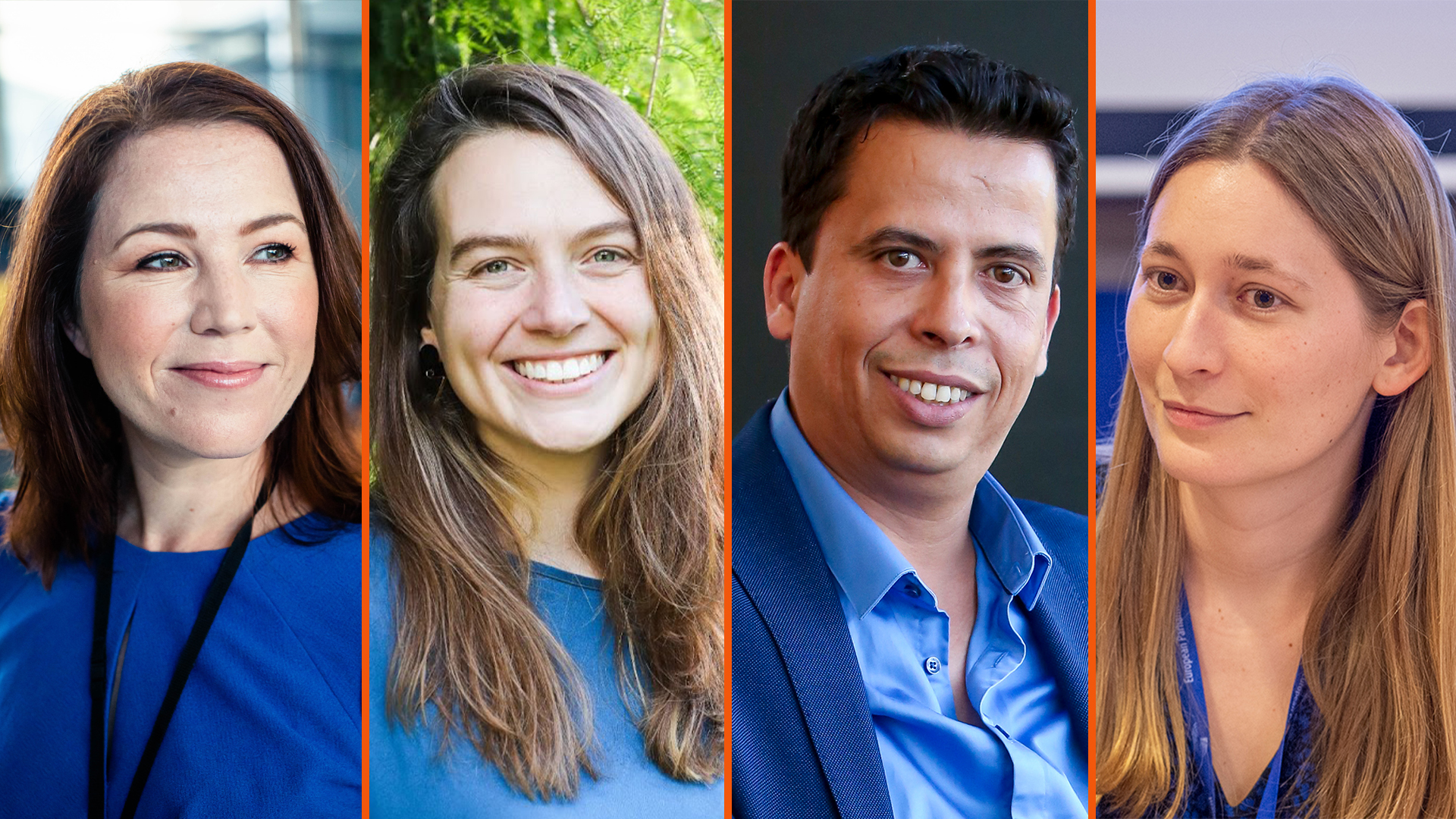
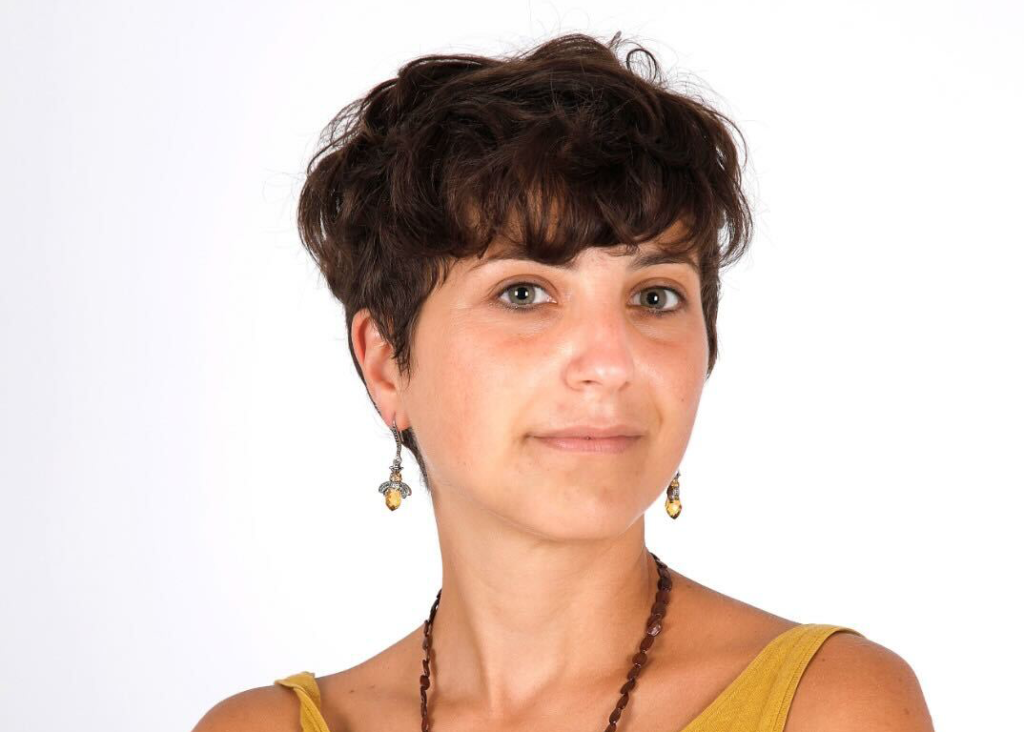
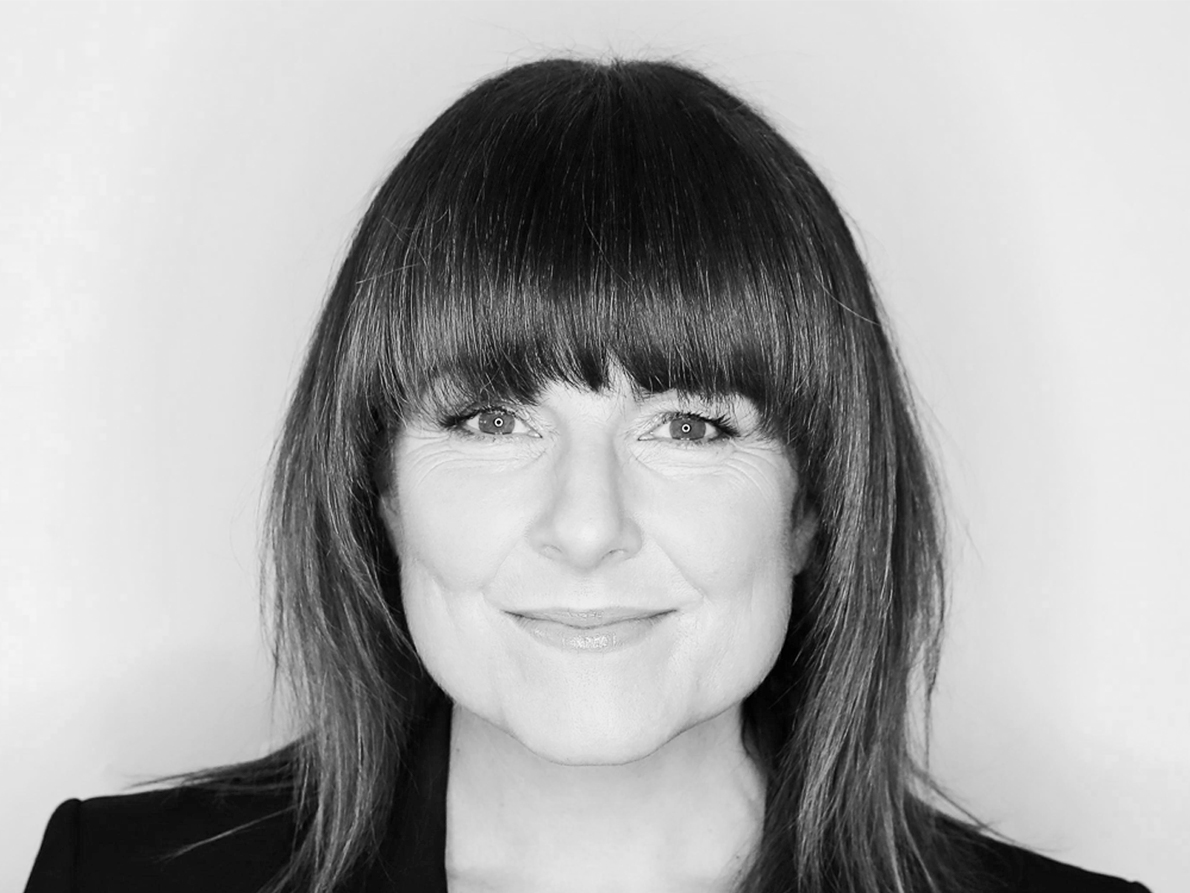
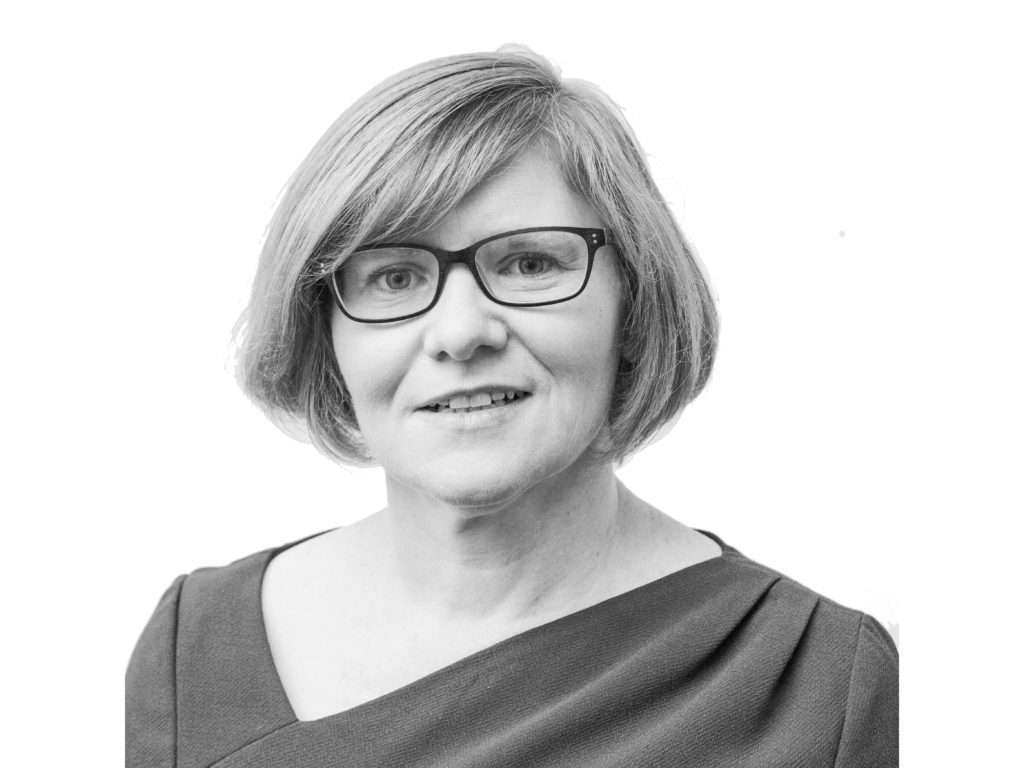
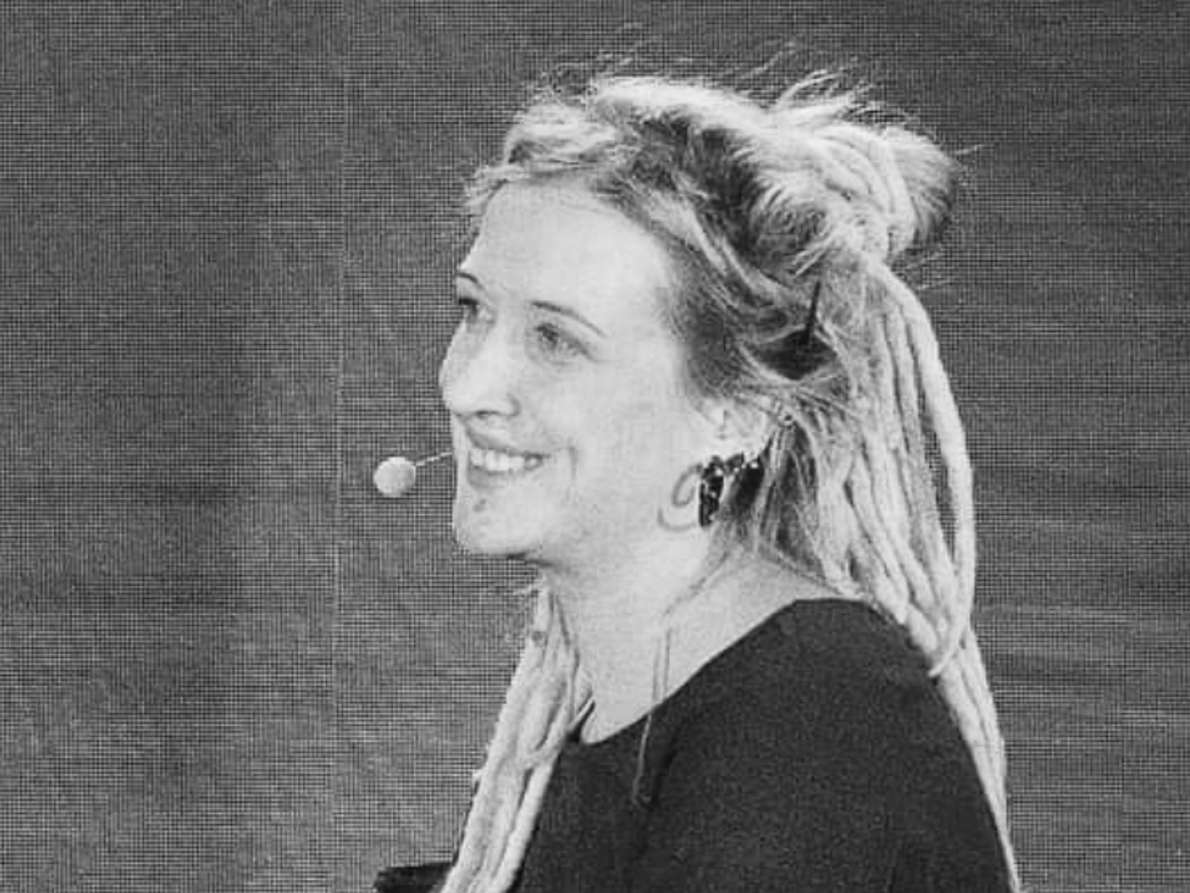
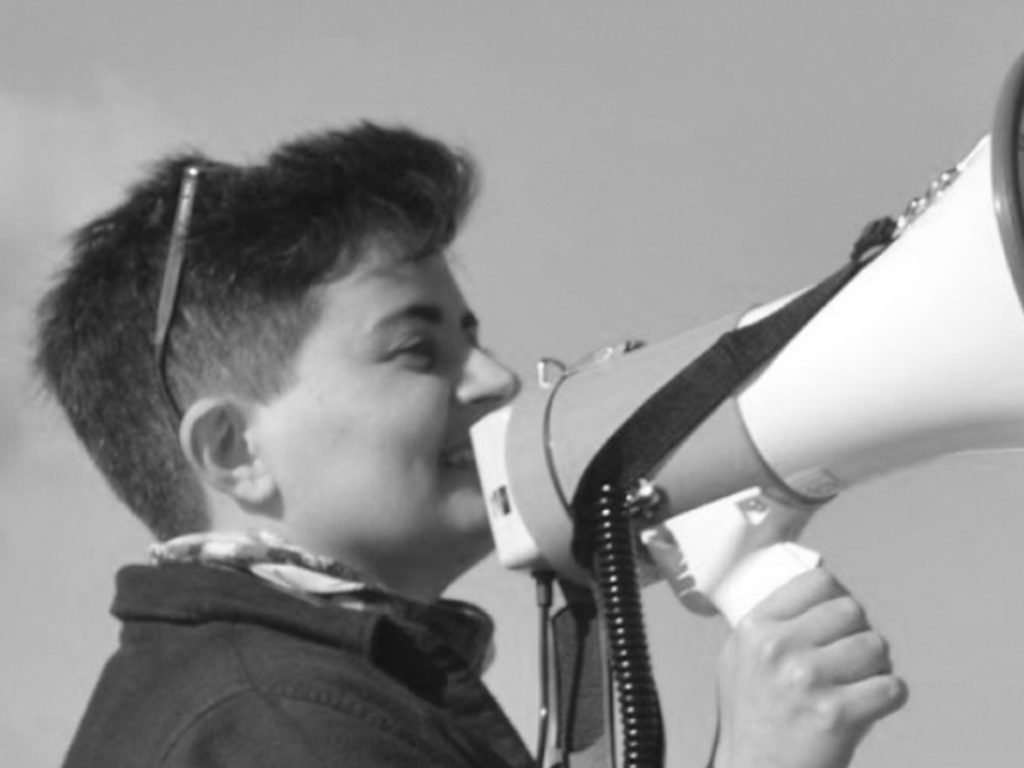
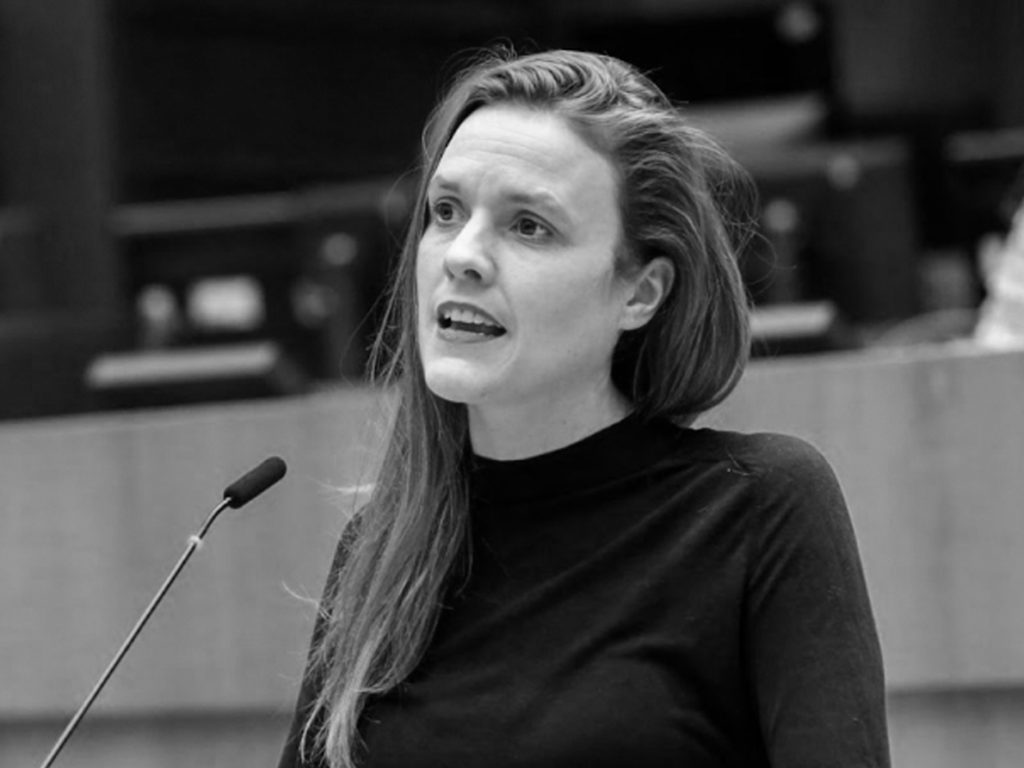
Greens/EFA MEPs Sara Matthieu, Kim van Sparrentak, Mounir Satouri, Kira Peter-Hansen
From left to right: Greens/EFA MEPs Sara Matthieu, Kim van Sparrentak, Mounir Satouri, Kira Peter-Hansen.

Sara Matthieu: Green jobs are the jobs of the future – Here’s how they can improve people’s lives and save the planet

Sara, why do you work on social justice and workers’ rights?

I have been socially engaged since I was a kid. My mother was a social worker. Hearing her stories about people living in poverty convinced me we need to fight for more social justice. My parents taught me that working for a greener and more social world are two sides of the same coin.

She also motivated me to push for a better work life balance and not to forget the gender perspective when it comes to labour policy. A lot of women still work in lesser paid jobs in the care sector or have to combine a job with the bulk of the care work at home. As a young mother working in politics I also bump into a lot of these issues  and can relate deeply. 

I think it’s shocking that we still have 1 in 5 EU citizens living in poverty and social exclusion. And many of them are working, but their jobs don’t pay a living wage. People are struggling just to survive!

That’s why I took the lead in the European Parliament’s call for an EU-wide minimum income above the poverty threshold.

What achievement for social justice and workers’ rights are you most proud of, and what will it mean for people in Europe?

The EU directive for minimum wages is without doubt one of the biggest achievements. As the Greens/EFA, we pushed for living wages that are poverty-proof.

It is expected that 25 million workers will benefit from this law, with a boost of 20% to their wages. The rates of people who are working but poor will fall by 10%. That’s a lot of people lifted out of poverty. We can be proud of that achievement.

Women are almost twice as likely to depend on minimum wages than men. Men still earn 13% more than women for the same job

We are also fighting for the health and safety of 170 million workers in the EU. Despite legal protections, there were still over 3300 fatal accidents and 3.1 million non-fatal accidents in the EU in 2018. Over 200,000 workers die each year from work-related illnesses.

And did you know that in the EU 88,000 people still die every year because of past exposure to asbestos? We must protect workers against the risks of occupational cancers. I’m proud that we managed to get the European Parliament to call for an asbestos-free Europe. Now we need to get the governments to agree to it! 

Will all jobs of the future be green jobs? 

As the European economy sets sail towards a decarbonized future, we find ourselves standing at the crossroads of opportunity and responsibility. The transition to a net-zero reality promises not only a cleaner environment but also a landscape rich with potential job creation. Our society and our jobs are likely to change a lot as we switch away from fossil fuels and throwaway culture. Jobs linked to fossil fuels will disappear. In my own country, Belgium, people are still suffering from the demise of the coal mines decades ago because the social consequences were neglected.

In a bold move that resonates with the heartbeat of a sustainable future, the European Parliament is gearing up to unleash a groundbreaking report that stands as a manifesto for the employment and social dimension of the green transition. This comprehensive report not only outlines key demands but serves as a resounding call to the next Commission, challenging them to deliver an ambitious legislative package on a just transition.

At the core of this visionary report lies a commitment to redefining the landscape of employment within the framework of a green economy. We are not merely asking for change; we are setting the stage for a transformative shift in the way companies operate, workers are treated, and the environment is safeguarded.

This is what the Greens/EFA fought for in the INI report on job creation, just transition and impact investment:

  1. Revolutionizing Procurement: A call for a review of the public procurement directive to ensure companies align with collective bargaining, workers’ rights, and high-quality employment standards.
  2. Thermal Justice: Proposing an EU framework on maximum working temperatures, emphasizing safety, ventilation, and compensation during extreme weather events.
  3. Transition Observatory: Advocating for the creation of a just transition observatory, a hub for knowledge exchange to navigate change, prevent conflicts, and monitor Green Deal policies.
  4. Worker Consultation Directive: Pushing for a new framework directive on anticipating and managing transitions, ensuring timely worker consultation and preservation of jobs.
  5. Company Accountability: Urging companies to adopt just transition plans, aligning operations with Green Deal objectives and involving workers in the restructuring process.
  6. SURE-Like Instrument: Calling for a new instrument to smooth employment shocks triggered by the transition.
  7. Just Transition Fund Expansion: Expanding the scope and budget of the Just Transition Fund.
  8. Green Transition Integration: Reviewing energy and climate regulations to systematically include just transition objectives in national plans.
  9. Quality Green Jobs Definition: Establishing a common EU definition of “quality green job” in collaboration with social partners.
  10. Lifelong Learning Recognition: Recognizing lifelong learning as a fundamental right for workers.
  11. Social Impact Assessments: Ensuring comprehensive social impact assessments for proposed legislation, considering jobs, skills, and working conditions.
  12. Regional Labor Market Mapping: Systematically mapping regional labor market developments connected to the green transition.
  13. Sovereignty Fund Creation: Swiftly creating a European sovereignty fund to mobilize large-scale investments in green technology.
  14. Agro-Food Transformation: Ensuring the green transition becomes an opportunity for agro-food workers, promoting gender equality and workplace democracy.

Green jobs are decent jobs with good working conditions and fair pay

The decarbonization drive is not just about numbers and statistics; it’s about the people who make it happen. “We’re not merely aiming for job creation; we’re aiming for quality employment. This means stable jobs, fair wages, and decent working conditions—a departure from the shadows of in-work poverty and economic insecurity.To avoid repeating this mistake, we have to include safety nets for all workers, so no one is left behind.  We also need reskilling programs to support workers to adapt to the changes to their jobs and in our economy. These things need to be there from the start, not as an afterthought! And all this needs to be done in close collaboration with the workers and the trade unions.

The transition to a green economy will create new and diversified sectors – like renovation, circular industries and services, and renewable energy. These offer local, better quality and more green jobs than in the old sectors that are already in decline. 

When we say “green jobs”, we’re not just talking about the environment. Now and in the future – green jobs must be decent jobs, in good working conditions and fairly paid. This way – with those green jobs – we can really improve people’s lives and the planet.

Kim van Sparrentak: Let’s tax polluters, not workers – for healthier people and economy

Why are you working on social justice and workers’ rights?

As a Green and as a climate activist, fighting for social justice comes naturally. When I was younger, I talked to my parents about climate change and what we had to do to combat it. They just said, ‘Oh, that’s not for people like us, that’s for wealthy people who can afford Teslas and solar panels’. This was one reason why I decided to research the social potential of the green transition during my studies.

I quickly realised that, especially when looking at housing, the positive impact of renovations on health and energy bills is especially felt by vulnerable households living in more precarious housing. Focusing on vulnerable families during the green transition can play a significant role in fighting poverty.

Everyone needs to be able to engage in the green transition to succeed in keeping a livable Earth. Helping people to look beyond whether they can put enough food on the table will make the green transition more democratic. But to truly make the green transition a success, we need the collective power of workers cto push companies into a more sustainable direction. Therefore, workers’ rights are also inherently part of fighting climate change.

What achievement for social justice and workers’ rights are you most proud of, and what will it mean for people in Europe?

For me, it’s definitely the Platform Work Directive. 28 million people in Europe work by offering services through digital platforms – like delivery services that you can order food with. 

I am proud that the European Parliament is standing firmly for the rights of platform workers. We didn’t bow to platforms, like Uber and Deliveroo, that have undermined EU labour law by rolling out their business model. With this legislation, platform workers will enjoy the same rights as other workers. They’ll get paid holidays and minimum wage. They will also no longer be vulnerable to the whims of black-box algorithms that are not transparent for the user. Delivering on this legislation is key for preserving our social welfare states and the future of work in an increasingly digital world.

What about the future of work – will we be able to afford to work less? 

In a green economy, we will shift our tax base from labour to polluters. Companies that pollute more will have to pay more. It’s as simple as that. If our social system becomes less dependent on income tax, we can also, as a society, afford to work less and focus on other important things in life.  

A green economy will also be a healthier economy where fewer people will get sick because of their work.

Mounir Satouri: A true green transition will be led by the needs of people, not the economy!

What motivates you to work on social justice and workers’ rights?

I myself come from a poor family that emigrated from Morocco to the Parisian suburbs. When I finished school, I naturally wanted to help the people of my neighbourhood. People who have small jobs or are looking for work, who struggle on a daily basis to make ends meet and to provide for the needs of their families. I worked as a placement officer and as a director of a social centre. When you live in these suburbs, the environment limits you all the time. It is more difficult to move around, to find your place in certain professional environments, to make educational and cultural choices for your children. This is why I got into politics, to fight for social justice.

What achievement for social justice and workers’ rights are you most proud of, and what will it mean for people in Europe?

My greatest achievement in the European Parliament is the victory we obtained for a European minimum wage. Quite simply, it will mean a 20% wage increase for 25 million workers in Europe.

It will also rebalance the differences in minimum wage across the EU. Right now, minimum wage in Bulgaria is significantly less than in  Luxembourg, even when compared to the cost of living in each country. 

This directive will mean that two-thirds of the countries in the EU will see their minimum wage increase. It’s a very direct way for the EU to fight poverty, raising wages for those who are struggling the most.

What about the future? Our society and our jobs are likely to change a lot as we switch away from fossil fuels and throwaway culture. How will the transition to a green economy make things better and fairer for everyone?

The green transition is essential. In the liberal version, companies would be the ones that carry it out and the States would bear the costs. This version would lead to a triple failure:

  1. A fake green transition, because economic profits would be in the driver seat and not environmental protection;
  2. The poorest part of the population will be abandoned and stigmatized;
  3. There will be rising inequality, increasing the risk of populism and the rise of the far right.

Our Greens/EFA version proposes a transition that trains inclusively for new quality, sustainable and safe jobs. We favour a local economy and agriculture, clean energies that go hand in hand with a global vision for territories: that of quality public services and social safeguards to protect against poverty, in particular through the establishment of minimum income schemes.

Kira Peter-Hansen: Better work and fairer pay – Let’s break the glass ceiling, not the climate

What motivates you to work on social justice and workers’ rights?

I believe the current socio-economic system is not fair. There are so many injustices: the unequal distribution of wealth and the social divides that result from it. It’s no secret that these inequalities affect women and vulnerable groups disproportionately. I care about these topics deeply, so I want to do something about it. I joined the Employment and Social Affairs Committee in the European Parliament so I could fight for better working conditions, a more just taxation system and gender equality.

What achievement for social justice and workers’ rights are you most proud of, and what will it mean for people in Europe?

I think my biggest and most significant achievement to date has been Pay Transparency in the EU. Pay Transparency will allow the workers of Europe to compare pay levels. It gives you more rights to information on pay conditions and salaries broken down by gender. This means that millions of European workers will have better preparation and arguments in salary negotiations to secure a fairer income.

After so much work and so many challenging negotiations, it feels surreal to finally see that the Pay Transparency Directive will be signed into law on 10th May 2023. The rules will come into force shortly after that. This is a great accomplishment for millions of workers in Europe and a step closer to breaking the glass ceiling!

What about the future? Will the green transition take away our jobs?

Many people believe that the green transition will put people out of work. But the truth is that by promoting new ways of living and producing, there will be more – and different – jobs. I really hope that we use this momentum to transform today’s changing economy for the better. We need to get rid of discriminatory barriers. We need fairer jobs for everyone.

Let’s use this moment to change how we work for the better! For this, we need to come together with social partners, with stakeholders, and with people. We need to do this together.

Holen wir uns die Natur zurück! Warum wir ein starkes EU-Gesetz zur Rettung der Natur brauchen

Die Europäische Union verhandelt derzeit über ein neues Gesetz zur Rettung der Natur, in der Sprache der EU: “Gesetz zur Wiederherstellung der Natur”. Dieses Gesetz ist längst überfällig, denn der Bestand und die Vielfalt wild lebender Arten in der EU schrumpft in einem alarmierenden Tempo.

Doch unsere Wirtschaft, insbesondere die Nahrungsmittelproduktion, braucht eine gesunde Natur. Unsere Abgeordneten Jutta Paulus und Anna Deparnay-Grunenberg erklären, wie ein starkes EU-Gesetz dazu beitragen kann, unsere Natur zu schützen und wiederzubeleben.

Eines der Ziele des globalen Abkommens über die biologische Vielfalt besteht darin, bis 2030 die Wiederherstellung von mindestens 30 Prozent der geschädigten Ökosysteme einzuleiten oder abzuschließen. Jetzt müssen wir loslegen – in unserem eigenen Interesse und zur Erfüllung unserer globalen Verpflichtungen!

Warum brauchen wir die Natur?

Gesunde Ökosysteme sind genauso wichtig wie ein stabiles Klima. Sie liefern uns Luft zum Atmen, Nahrung zum Essen und Wasser zum Trinken. Sie nehmen Kohlenstoff auf und speichern ihn. Intakte Lebensräume kühlen das Klima und helfen uns, Naturkatastrophen wie Brände, Überschwemmungen und Dürren zu bewältigen.

Der Wirtschaftswissenschaftler Partha Dasgupta bezeichnet die Natur als unser wertvollstes Gut. Wenn wir mit diesem Gut schlecht umgehen, gefährden wir unsere Wirtschaft und unseren Wohlstand.

Der beklagenswerte Zustand unserer Natur ist größtenteils das Ergebnis menschlichen Handelns. Mit industrieller Landwirtschaft, Forstwirtschaft und Fischerei zerstören wir unsere Lebensgrundlagen. Doch wenn wir unsere Praktiken ändern und der Natur wieder mehr Raum geben, können sich unsere Ökosysteme wieder erholen. Wir können dem menschengemachten Artenschwund mit einer menschengemachten Rettung der Natur begegnen!

Was plant die EU, um die Natur zurückzugewinnen? 

Laut EU-Kommission sollen bis 2030 auf mindestens 20 Prozent der Land- und Meeresfläche der EU sogenannte “Wiederherstellungsmaßnahmen” durchgeführt werden. Diese Maßnahmen sollen bis 2050 auf alle sanierungsbedürftigen Ökosysteme ausgedehnt werden.

Die EU-Regierungen sollen außerdem dazu verpflichtet werden, sich besser um das EU-Netz prioritärer Lebensräume (auch “natürliche Lebensräume von gemeinschaftlichem Interesse” genannt) zu kümmern. Diese Lebensräume sind bereits in bestehenden EU-Naturschutzgesetzen (z. B. der Habitat-Richtlinie der EU) definiert. An Land umfassen sie etwa 24 Prozent der Gesamtfläche der EU. Für diese Lebensräume haben wir Informationen und Beobachtungssysteme, die uns Auskunft darüber geben, wie es um sie bestellt ist.

Trotzdem befanden sich zwischen 2013 und 2018 nur etwa 15 Prozent unserer wichtigen Lebensräume in einem “günstigen Erhaltungszustand“. Ein “günstiger Erhaltungszustand” bedeutet, dass sie eine stabile Fläche einnehmen und bestimmte Strukturen umfassen, so dass charakteristische Arten in ihnen vorkommen können.

Immer weniger Raum für wildlebende Arten – was geschieht mit ihren Lebensräumen?

Der Grund für das Aussterben wild lebender Pflanzen- und Tierarten ist die Zerstörung ihrer Lebensräume, auch “Habitate” genannt. Die EU teilt die wichtigsten Lebensräume in neun Kategorien ein und verpflichtet ihre Mitgliedstaaten, alle sechs Jahre über deren Zustand zu berichten. Die letzten Berichte beziehen sich auf den Zeitraum 2013 bis 2018 und zeigen, dass 81 Prozent der Lebensräume in Europa in einem “schlechten oder sehr schlechten Erhaltungszustand” verkehren. Am schlimmsten betroffen sind Dünen sowie Moore, Sümpfe und Flachmoore. Auch Lebensräume, die für Bestäuber wichtig sind (vor allem Grasland), befinden sich in einem schlechten Zustand. Wo Verbesserungen beobachtet wurden, gehen sie fast immer auf Renaturierungsmaßnahmen zurück.

Nach Angaben der Europäischen Umweltagentur müssen mindestens 11 000 km2 Lebensräume neu erschaffen und an die bestehenden Lebensräume angegliedert werden, um die langfristige Funktionsfähigkeit der einzelnen Lebensraumtypen zu gewährleisten. Darüber hinaus muss die überwiegende Mehrheit der bestehenden Habitatgebiete in einen günstigen Zustand versetzt werden. Wälder und Meeresökosysteme erfordern die größten Anstrengungen im Hinblick auf die Größe der Gebiete, die wiederhergestellt oder verbessert werden müssen.

Der EU-Vorschlag zur “Wiederherstellung der Natur” – was steht drin?

Nach dem Gesetzesvorschlag müssen alle EU-Länder Anstrengungen unternehmen, um die wichtigsten Lebensräume in einen “günstigen Erhaltungszustand” zu versetzen. Sie müssen bis 2030, 2040 und 2050 bestimmte Ziele erreichen, um diese Habitate zu verbessern und zu erweitern. 

Ein Weg, um dies zu erreichen, ist die Einrichtung und Verwaltung von Schutzgebieten. Das Natura-2000-Netz der EU umfasst derzeit mehr als 18 Prozent der Landfläche und 9 Prozent der Gewässer der EU. An Land deckt das Netz jedoch nur etwa ein Drittel der prioritären Lebensräume ab. Außerdem gibt es nationale und regionale Schutzgebiete, so dass insgesamt 26 Prozent der EU-Landfläche und 12 Prozent der EU-Gewässer gesetzlich unter Schutz stehen. Bis 2030 sollen es jeweils 30 Prozent werden.

Darüber hinaus müssen die EU-Regierungen der Natur auch in solchen Gebieten mehr Raum geben, die in den bestehenden Naturschutzgesetzen nicht beschrieben sind, und für die wir noch keine Methoden haben, um ihren Zustand detailliert zu beurteilen. Diese Gebiete umfassen 76 Prozent der terrestrischen Ökosysteme in der EU, darunter vor allem Wälder und landwirtschaftliche Flächen, aber auch städtische Ökosysteme.

In den Wäldern müssen die Regierungen dafür sorgen, dass mehr Totholz für die darauf angewiesenen Arten zur Verfügung steht. Sie müssen die Voraussetzungen dafür schaffen, dass sich Waldvögel wieder ansiedeln können und von der Bewirtschaftung mittels “Kahlschlag und Aufforstung” abrücken, so dass sich unsere Wälder aus Bäumen unterschiedlichen Alters zusammensetzen.

In landwirtschaftlich genutzten Gebieten müssen die Regierungen für mehr “vielfältige Landschaftselemente” sorgen, wie zum Beispiel Bäume, Hecken, Blühstreifen, Feldränder, kleine Teiche, Trockenmauern und brachliegende Flächen. Sie müssen sich dafür einsetzen, dass Vögel und Schmetterlinge in diese Gebiete zurückkehren und entwässerte Moorgebiete wieder vernässen.

Schließlich müssen die EU-Länder die Flüsse von Hindernissen befreien, so dass sie wieder ungehindert fließen können. Sie müssen für mehr Bestäuber sorgen und die Fläche der städtischen Grünflächen wie Parks, Gärten und Bauernhöfe vergrößern.

Wir brauchen sechs Verbesserungen im neuen EU-Gesetz  

Das vorgeschlagene Gesetz könnte ein Wendepunkt für unsere Natur sein. Doch es muss nachgeschärft werden, damit es einen echten Wandel bewirken kann, und zwar in sechs Punkten:

1. Wiedervernässung unserer Moore

Nach dem Gesetzentwurf würde die EU entwässerte Moorgebiete nur dann wiederherstellen, wenn sie heute einer landwirtschaftlichen Nutzung unterliegen. Entwässerte Moore müssen aber unabhängig von ihrer heutigen Nutzung wieder vernässt werden, mit Ausnahme von Flächen, auf denen Menschen wohnen. Moore beherbergen seltene Arten und sind großartige Kohlenstoffsenken – wenn sie gesund sind. Feuchte Torfgebiete tragen dazu bei, den Wasserkreislauf zu stabilisieren und Extremwetter-Ereignisse wie Überschwemmungen abzufedern. In der EU wurde jedoch die Hälfte aller Moore entwässert und damit zu Kohlenstoffquellen gemacht. Jetzt müssen wir die Entwässerungsgräben wieder zuschütten und den Wasserpegel anheben, ohne die Moore dabei unbedingt aus der Nutzung zu nehmen. Bis 2030 sollten 30 Prozent der Moore in der EU wiedervernässt werden.

2. Frei fließende Flüsse

Der Gesetzentwurf schlägt vor, Barrieren in Flüssen zu beseitigen, ohne jedoch zu bestimmen, wie viele Flusskilometer wieder in einen frei fließenden Zustand versetzt werden sollen. Die europäischen Flüsse sind die am stärksten zerstückelten Flüsse der Welt. Das Gesetz sollte die EU-Regierungen dazu verpflichten, bis 2030 mindestens 15 Prozent der Flüsse ihrer Länder – insgesamt 178.000 km – wieder frei fließen zu lassen.

3. Mehr Natur auf unseren Feldern 

Der Entwurf zielt darauf ab, mehr biologische Vielfalt in unsere landwirtschaftlich genutzten Flächen zu bringen, legt aber nicht fest, in welchem Umfang und bis wann. Dies ist jedoch zu wichtig, als dass man es dem guten Willen von Regierungen und Landwirten überlassen kann.

Landschaftselemente wie Bäume, Blühstreifen, Teiche und Hecken bieten Insekten, Vögeln und anderen Tieren Nahrung, Schutz und Brutplätze. Sie sichern oder erhöhen sogar die Produktivität der landwirtschaftlichen Flächen, indem sie wertvolle ökologische “Dienstleistungen” wie Bestäubung, Schädlingsbekämpfung, Boden- und Wasserschutz erbringen. Das neue Gesetz sollte vorschreiben, dass bis 2030 mindestens 10 Prozent eines jeden landwirtschaftlichen Betriebs der Natur dienen müssen.

4. Gesunde Meeresökosysteme

Wir müssen dringend unsere marinen Ökosysteme revitalisieren. Der wichtigste Weg dazu besteht darin, sie in Ruhe zu lassen. Doch wenn in der EU eine Regierung versucht, Schutzgebiete einzurichten, mischt sich oft eine andere ein, um diese Entscheidung zu blockieren oder zu verwässern. Dies führt allzu oft dazu, dass keine wirklichen Schutzmaßnahmen getroffen werden. Um diese Blockade zu überwinden, sollte die Europäische Kommission intervenieren können, damit Regierungen, die die Fauna und Flora der Meere schützen wollen, dies auch tun können.

Außerdem sollte der Geltungsbereich des neuen Gesetzes auf die Lebensräume von Fischarten ausgeweitet werden, die sich in einem kritischen Zustand befinden, wie z. B. der Europäische Aal, sowie auf Arten, die auf der Roten Liste der IUCN als gefährdet eingestuft sind.

5. Mehr Grün und Blau in unseren Städten

Städtische Gebiete beanspruchen mehr als ein Fünftel der Landfläche der EU, und dort leben die meisten Europäer. Das neue Gesetz sollte die Regierungen dazu verpflichten, in unseren Städten mehr Grünflächen zu schaffen sowie mehr ‘blaue Flächen’, also offene Bäche, Flüsse, Teiche und Seen. Die EU-Regierungen sollten bis 2040 mindestens 10 Prozent, und bis 2050 mindestens 15 Prozent, der städtischen Flächen als grüne und blaue Flächen zur Verfügung stellen. Die meisten dieser Flächen sollten gesetzlich geschützt werden.

6. Gesundung unserer Wälder 

Die allermeisten Wälder in der EU sind in einem schlechten Zustand, und ein großer Teil liegt außerhalb von Schutzgebieten. Die biologische Vielfalt und Anpassungsfähigkeit an den Klimawandel müssen sowohl in bewirtschafteten als auch unbewirtschafteten Wäldern erhöht werden. Um dies zu erreichen, sollte das Gesetz zur Rettung der Natur dazu beitragen, die Bewirtschaftung mittels Kahlschlag und Aufforstung auf ein Minimum zu reduzieren und eine ökologische  Bewirtschaftung zu fördern. Zusätzlich zu den vorgeschlagenen Verbesserungen sollten die EU-Länder dazu verpflichtet werden, die genetische Vielfalt der Bäume und den Reichtum der im Wald lebenden Arten zu erhöhen. Sie sollten auch die Fähigkeit der Wälder verbessern, ein Mikroklima mit niedrigeren Temperaturen als außerhalb des Waldes aufrechtzuerhalten, was die Funktionalität der Waldökosysteme erhöhen kann.

Die Wiederherstellung der Natur ist eine Investition in unsere Zukunft

Geld, das für die Natur ausgegeben wird, ist eine Investition und kein Kostenfaktor. Nach Angaben der Europäischen Kommission erbringt jeder in die Wiederherstellung der Natur investierte Euro eine Rendite von 8 bis 38 Euro – ein Nutzen, der sich aus den zahlreichen Leistungen gesunder Ökosysteme ergibt, wie z. B. der Bestäubung von landwirtschaftlichen Nutzpflanzen.Besonders positiv wirkt sich die Wiederherstellung der Natur auf diejenigen aus, deren Lebensunterhalt direkt von gesunden Ökosystemen abhängig ist, wie etwa Landwirt*innen, Forstwirt*innen und Fischer*innen. Wo marine Lebensräume wirksam geschützt werden, erholen sich die Fischbestände schnell, was der Fischerei und der Aquakultur zugutekommt. Gesunde Wälder widerstehen Dürren und Waldbränden besser, und eine große Zahl und Vielfalt an Bestäubern ist vorteilhaft für die Landwirtschaft.

Die Rettung der Natur duldet keinen Aufschub

Leider haben sich einige EU-Politiker dazu entschieden, die Warnungen der Wissenschaft zu ignorieren und das vorgeschlagene Gesetz zu blockieren oder abzuschwächen. In Anbetracht des dramatischen Zustands unserer Ökosysteme und unserer Abhängigkeit von ihnen können wir Lippenbekenntnisse zur Natur jedoch nicht länger hinnehmen. Denn der  Artenschwund droht außer Kontrolle zu geraten. Er beginnt, unsere Nahrungsmittelproduktion zu gefährden sowie unsere Fähigkeit, die schlimmsten Auswirkungen des Klimawandels abzuwehren.

Die Fraktion der Grünen/EFA im Europäischen Parlament setzt sich für ein starkes Gesetz ein, das das Leben in unsere Äcker und Wälder, Moore und Flüsse, Meere und Küsten zurückbringt – zum Wohl von Mensch und Natur.

Fighting TotalEnergies: Warum Klimaaktivist*innen fossile Konzerne blockieren

Am 8. und 9. Oktober 2022 demonstrierten Aktivisten der Code Rouge/Rood Koalition gegen den milliardenschweren Erdölkonzern TotalEnergies. Durch verschiedene Aktionen blockierten über 1000 Aktivisten die Standorte von TotalEnergies in Feluy und Lüttich in Belgien. Sie besetzen Bahngleise und Straßen in der Nähe der TotalEnergies-Depots und errichteten re. wodurch das Unternehmen, seine gesamten Aktivitäten in Belgien vorübergehend einstellte.  

Aber wer sind die Leute hinter “Code Rouge”? Warum protestierte “Code Rouge” gegen TotalEnergies und die fossile Brennstoffindustrie? Und warum nutzen in Anbetracht der Klimakrise immer mehr Menschen zivilen Ungehorsam als Protestform?

Ein Europaabgeordnete der Grünen/EFA, Malte Gallée, schloss sich den Demonstrant*innen an diesem Wochenende als parlamentarischer Beobachter an. Nach der Aktion setzte er sich mit unserem Climate Campaign Praktikanten Michael zusammen, um über seine Eindrücke zu sprechen.

Malte Gallée © European Union 2022 - Source EP

Malte Gallée ist EU-Abgeordneter der Grünen/EFA aus Deutschland. Er kämpft für den Klimaschutz und für eine nachhaltige Industrie. Er ist der jüngste Europaabgeordnete in Brüssel.

Michael Staniszewski

Michael Staniszewski ist Klimagerechtigkeitsaktivist von Fridays for Future (FFF) aus Deutschland. Er arbeitete an der #NotMyTaxonomy-Kampagne und anderen Aktionen der Bewegung

Wer ist Code Rouge/Rood und was wollen sie?

Code Rouge/Rood ist ein Zusammenschluss verschiedener Organisationen und Gruppen, die für Klimagerechtigkeit kämpfen. Angesichts der Klimakatastrophe, explodierenden Energierechnungen, Menschenrechtsverletzungen, Neokolonialismus, Kriegen und Konflikten fordern sie eine gerechte Energiewende, weg von fossilen Brennstoffen hin zu einem erneuerbaren Energiesystem, das für alle funktioniert. Ihr Name “Code Rouge/Rood” (auf Deutsch: Code Rot) unterstreicht die Dringlichkeit von Klimaschutzmaßnahmen.

Why use civil disobedience against the climate crisis?

Warum ziviler Ungehorsam gegen die Klimakrise?

Michael: Du hast die Massenaktion des gewaltfreien zivilen Ungehorsams “Code Rouge/Rood” als parlamentarischer Beobachter begleitet. Haben Sie so einen Protest schon einmal miterlebt? 

Malte Gallée MdEP: Ich habe tatsächlich noch nie aktiv an einer solchen Aktion teilgenommen. Ich habe jedoch eine Aktion von “Ende Gelände” [der deutschen Bewegung für Klimagerechtigkeit, die einen Ausstieg aus der Kohlekraft fordert] logistisch unterstützt. Damals wurde Kohleinfrastruktur in Deutschland blockiert wurde. Daher kenne und schätze ich diese Form des Protests. Als parlamentarischer Beobachter bei Code Rouge/Rood musste ich genau beobachten, was sowohl die Aktivisten als auch die Polizei taten.

Michael: Wenn man von Ende Gelände spricht, so hört man oft, dass es zu Polizeigewalt und Repressionen gegen friedliche Aktivisten kommt. Wie war das bei den Code Rouge/Rood-Protesten?

Malte Gallée MEP: Das hat mich sehr überrascht! Die Aktion lief extrem gut und ich war unfassbar froh, dass ich keine Gewalt von beiden Seiten mitbekommen habe. Alles blieb friedlich. Die Aktivisten und die Polizei haben sich lediglich gegenseitig beobachtet.

Wer sind die Leute hinter Code Rouge/Rood?

Michael: Was sind das für Gesellschaftsgruppen, die mit Code Rouge/Rood protestierten? Kannst du uns etwas über die Menschen erzählen, die dir begegneten?

Malte Gallée MEP: Das ist die zweite Sache, die mich sehr positiv überrascht hat! Die Aktivisten repräsentierten ein breites gesellschaftliches Spektrum. Von 18-Jährigen bis hin zu Rentner*innen – es war eine wilde Mischung von Menschen, die sich den zerstörerischen und ausbeuterischen Interessen von TotalEnergies entgegen stellten. Es war ein wirklich generationenübergreifender Protest.

Michael: Das ist ja genau das, worum es bei der Generationengerechtigkeit geht: anzuerkennen, dass junge Menschen stärker unter den Folgen der Klimakrise leiden werden. Es ist schön zu sehen, dass es bei Code Rouge so viel Solidarität zwischen jüngeren und älteren Menschen gab. Warum sind denn solche Proteste notwendig und werden sie überhaupt gebraucht?

Malte Gallée MEP: Diese Art von Aktionen zeigt, wie anfällig und problematisch große fossile Infrastruktur ist. Ein hervorragendes Beispiel sind die Nord-Stream-Pipelines in der Ostsee, die durch mutmaßliche Sabotageakte beschädigt worden sind. Das zeigt, wie wir durch die Abhängigkeit von fossilen Energieträgern anfälliger für Gewalt und Krieg werden. Der Protest gegen diese Abhängigkeit setzt ein wichtiges Signal dafür, dass die Energieerzeugung der Zukunft dezentral und erneuerbar sein muss. Die jungen Generationen haben eine lebenswerte Zukunft verdient. Sie sollten die Möglichkeit haben, dieses Recht durch Protest zu verteidigen.

Die Wahrheit über TotalEnergies – Menschenrechtsverletzungen und das EACOP Projekt

Michael: Ich habe gesehen, dass Du mit einer Delegation von Europaabgeordneten diesen Sommer nach Uganda gereist bist, um mit Menschen vor Ort zu sprechen, die direkt von dem EACOP Projekt betroffen sind. Was hast du in Uganda erlebt und steht das in irgendeinem Zusammenhang mit der Code Rouge/Rood Aktion?

Malte Gallée MEP: Es gibt auf jeden Fall einen Zusammenhang, da sich die Code Rouge/Rood-Proteste direkt an TotalEnergies richteten. Ich denke, es ist wichtig, gegen das EACOP-Projekt Stellung zu beziehen. Wir müssen uns mit den davon betroffenen Menschen solidarisieren. Genau das hat Code Rouge/Rood getan. Deshalb wollte ich mein Privileg als Europaabgeordneter nutzen, um zu garantieren, dass friedlicher Protest gegen TotalEnergies stattfinden kann.

“Das ugandische System ist sehr repressiv. Die Menschen im Lande leiden massiv unter den Aktivitäten von Total. Sie werden von ihrem Land vertrieben”

EACOP – was ist das?

EACOP steht für “East African Crude Oil Pipeline” (zu Deutsch: ostafrikanische Rohölleitung). Dabei handelt es sich um ein Mega-Projekt fossiler Infrastruktur von TotalEnergies. Die über 1400 km lange Pipeline soll die längste beheizte Ölpipeline der Welt werden. Sie wird für mehr als 34 Millionen Tonnen CO2-Emissionen pro Jahr verantwortlich sein – das Siebenfache des jährlichen Ausstoßes von Uganda. Das Projekt ist höchst umstritten, da 400 Dörfer in Uganda und Tansania wegen der Pipeline vertrieben wurden und zahlreiche Menschenrechtsverletzungen gemeldet wurden. Die Pipeline durchquert über 200 Flüsse und soll durch wichtige Naturschutzgebiete führen. Doch es gibt Widerstand! Mehrere Klimagerechtigkeitsbewegungen haben sich hinter der #StopEACOP Kampagne vereint und fordern den Bau des Projekts zu verhindern.

In Uganda ist die Situation jedoch völlig anders. Das ugandische System ist sehr repressiv. Präsident Museveni ist seit 1986 an der Macht. Die Menschen im Lande leiden massiv unter den Aktivitäten von Total. Sie werden von ihrem Land vertrieben. Total weigert sich, Entschädigungen zu zahlen, und wenn sie sich gegen EACOP aussprechen, werden sie erpresst, verhaftet oder erhalten Morddrohungen. TotalEnergies leugnet all dies, weshalb es besonders wichtig war, vor Ort zu sein und die Geschehnisse zu dokumentieren.

Erst kürzlich wurde eine Gruppe von Studenten verhaftet, nachdem sie friedlich vor dem Europäischen Verbindungsbüro protestierten und versucht hatten, eine Petition zu übergeben. Die Polizei nahm ihnen die Handys ab und ich sah schreckliche Bilder, wie sie in Polizeiwagen geprügelt wurden. Das schockiert. Ich möchte das Recht auf Protest überall verteidigen und deshalb wollte ich parlamentarischer Beobachter sein.

Neokolonialismus – warum europäische Unternehmen afrikanische Länder für fossile Brennstoffe ausbeuten

Michael: Letztendlich ist die Pipeline dazu da, Rohöl aus Uganda heraus zu transportieren, um es für den internationalen Markt zu exportieren. Die Gewinne daraus gehen hauptsächlich an die reichen Aktionäre von TotalEnergies in Europa. Klingt nach Neokolonialismus, oder?

Malte Gallée MEP: Auf jeden Fall! In Uganda gibt es sogar ein Gesetz, das diese speziellen Praktiken verbietet. Per Gesetz ist es verboten, Rohstoffe zu exportieren, was leider immer noch ein großes Problem für viele afrikanische Staaten ist. Sie dienen als Rohstofflieferanten, ohne dass eine lokale Wertschöpfung stattfindet. Das bedeutet, dass die Rohstoffe nicht vor Ort weiterverarbeitet werden, so dass die lokale Bevölkerung nicht davon profitieren kann. 

Irgendwie hat die ugandische Regierung vergessen, dass Rohöl auch ein Rohstoff ist. TotalEnergies setzt also seine neokolonialen und imperialistischen Praktiken vor Ort fort.

Was ist Neokolonialismus?

Neokolonialismus ist die kontinuierliche Ausübung von Macht durch frühere Kolonialmächte über ehemalige kolonisierte Regionen und Gemeinschaften durch die Anwendung anderer Formen der Kontrolle. Während der Kolonialismus direkte militärische Kontrolle ausübt, werden heutzutage Abhängigkeitsverhältnis gegenüber neokolonialen Mächten geschaffen durch Globalisierung, konditionierte Hilfe als auch wirtschaftlichen oder kulturellen Imperialismus. Dies führt häufig zu Schulden. Um diese zurückzuzahlen, werden bereits durch koloniale Ausbeutung verarmte Länder dazu gezwungen, weiterhin natürliche Ressourcen wie fossile Brennstoffe abzubauen. Es sind vor allem die von der Klimakrise am stärksten betroffenen Menschen und Gebiete (auf Englisch: Most Affected People and Areas, kurz MAPA), die ausgebeutet werden und deren Situation sich durch diese neokolonialistischen Praktiken weiter verschlimmert. Deshalb muss sich die Klimagerechtigkeitsbewegung mit MAPA und Initiativen wie Debt for Climate solidarisch zeigen, um sich antikolonial zu positionieren. 

Was kann das Europäische Parlament gegen das EACOP-Projekt tun?

Michael: Ich denke, die dokumentierten Menschenrechtsverletzungen sprechen leider für sich. Gibt es eine Möglichkeit für die EU oder das Europäische Parlament, etwas gegen das EACOP-Projekt zu unternehmen? Immerhin ist TotalEnergies ein Unternehmen mit Sitz in Europa und sollte für europäische Rechte und Werte einstehen.

Malte Gallée MEP: Da stimme ich dir zu! Es gibt in Frankreich ein Gesetz, das die Lieferkette regelt, um sicherzustellen, dass Unternehmen Menschenrechte nicht verletzen. Deshalb hat das französische Gericht die Befugnis, Projekte von TotalEnergies zu verbieten, bis diese Probleme gelöst sind. Wir arbeiten an einem ähnlichen Gesetz auf europäischer Ebene. Wir brauchen ein europäisches Gesetz, das garantiert, dass sich europäische Unternehmen zum Schutz der Menschenrechte außerhalb Europas verpflichten.

Michael: Vor kurzem hat das Europäische Parlament eine Resolution zum EACOP-Projekt verabschiedet, in welcher es die Menschenrechtsverletzungen verurteilt. Aber interessiert das Total überhaupt?

Malte Gallée MEP: TotalEnergies versucht, das ganze Projekt zu verschleiern. Sie bewerben es als die klimafreundlichste Pipeline der Welt. Das ist sowas von irrsinnig! Das ist eine Pipeline! Die transportiert Öl, das dann verbrannt wird und dann in der Atmosphäre landet. Daran ist nichts klimafreundlich!

Aber langsam wird TotalEnergies doch schon nervös. Kürzlich haben sie der ugandischen Regierung in einem Brief mitgeteilt, dass sie die Menschenrechte respektieren sollten. Und was geschah? Zwei Tage später verhaftete die Regierung die friedlich protestierenden Studierenden. Ich kann mir gut vorstellen, warum der CEO von TotalEnergies, Patrick Pouyanné, sich weigerte, ins Europäische Parlament zu kommen, um unsere Fragen zu beantworten. Es wäre eine Katastrophe für ihn gewesen.

Ich würde ihn gerne fragen: Danke für den Brief Patrick, aber wie sieht es damit aus, mal Verantwortung für die Taten von TotalEnergies zu übernehmen? Schließlich sind Sie derjenige, der etwas dagegen tun könnte. Wie steht es damit?

Warum sich die Klimabewegung mit den Arbeitenden bei TotalEnergies solidarisieren muss

Michael: Eine weitere Sache, die mich wütend macht, ist, dass TotalEnergies in diesem Jahr rund 10 Milliarden Dollar Gewinn gemacht hat – und trotzdem bezahlen sie ihre Arbeiterinnen nicht anständig. Aus diesem Grund hat sich Code Rouge/Rood mit den Streiks der Arbeitenden in Frankreich solidarisiert. Die Streikenden fordern eine Lohnerhöhung von 10 %, um die Inflation und die höheren Energiekosten bewältigen zu können. Aufgrund der Streiks kam es in der Umgebung von Paris zu Versorgungsengpässen an vielen Tankstellen, was zu langen Warteschlangen führte. Es liegt auf der Hand, dass wir als Klimaaktivistinnen den Druck aufrechterhalten müssen. Ein erster wichtiger Schritt ist es über diese Themen in den sozialen Medien oder in unserem sozialen Umfeld zu sprechen. Was können wir sonst noch tun, um Druck auf TotalEnergies auszuüben und gleichzeitig Solidarität mit den streikenden Arbeitenden zu zeigen?

“Eines der wertvollsten Dinge, die wir in unserer Demokratie haben, ist der friedliche Protest!”

Malte Gallée MEP: Eines der wertvollsten Dinge, die wir in unserer Demokratie haben, ist der friedliche Protest! Wir sollten dieses Privileg nutzen, um zur Debatte beizutragen und gegen Total Stellung zu beziehen. Natürlich kann man Total boykottieren. Aber diese Probleme lassen sich nicht lösen, indem man die Verantwortung auf das Individuum abwälzt. Es ist die Aufgabe der Politiker, unsere Abhängigkeit von fossilen Brennstoffen zu beenden, für die Menschen und den Planeten. Daran arbeiten wir als Grüne/EFA-Fraktion.

Möchten Sie etwas gegen die Gier der Unternehmen für fossile Brennstoffe und ihre neokolonialen Praktiken unternehmen? Wollen Sie sich für die Menschenrechte und die Rechte der Arbeitnehmer einsetzen? Dann kommen Sie am Sonntag, den 23. Oktober, zum großen Klimamarsch auf die Straßen von Brüssel. Die Demonstration wird um 13 Uhr am Brüsseler Nordbahnhof beginnen. Die Grünen/EFA-Fraktion wird mit Fahnen und Plakaten vertreten sein. Wir würden uns freuen, Sie dort zu sehen!


Stop speculators gambling with our food and energy prices – and our lives

People have seen food and energy prices surge over the past years. Millions of people in the EU are struggling to pay for heating and food. Right now, over 36 million people in Europe cannot afford a quality meal every second day. While 50 – 125 million of us are unable to pay for proper heating

And the situation has only got worse since the start of Russian aggression in Ukraine. A ton of wheat was already worth more than 475$ in January 2022, compared to 275$ just a year before. During 2021, wholesale electricity prices increased by 200%, plunging thousands of people into energy poverty. In May 2022, food inflation reached 7.5%.

The consequences of this price explosion are devastating. Every time food prices rise by just 1%, 10 million people are thrown into extreme poverty worldwide. We need to tackle the price surge at its root. Households across Europe are reporting a day-to-day rise in living costs and many people are feeling the effects. But, the ramifications of skyrocketing food prices are literally life-threatening in developing countries where many people are already struggling to afford basic food.

In this article, we will try to shine a light on the different factors that play a role in the spike in food prices. Prices are going up, but where is the extra money going? Who is profiting? What is food speculation and how does it drive up prices for basic foods that we rely on, like grain and wheat? And what can we do to tackle this problem?

Why the collapse of food and fertiliser production leads to inflation 

As a direct consequence of the war in Ukraine, food and fertiliser production and exports from the most affected countries (Ukraine, Russia and Belarus) have collapsed. The effect of the war has been especially dramatic for food production because these countries produce a huge portion of our food needs in this part of the world (see our blog on the consequences of the war in Ukraine on our food system). 

As a result, we’ve seen a rise in food inflation: the less food being produced, the higher the prices. However, these extreme price increases are not all down to basic supply and demand. Investors playing roulette with our food are exacerbating this.

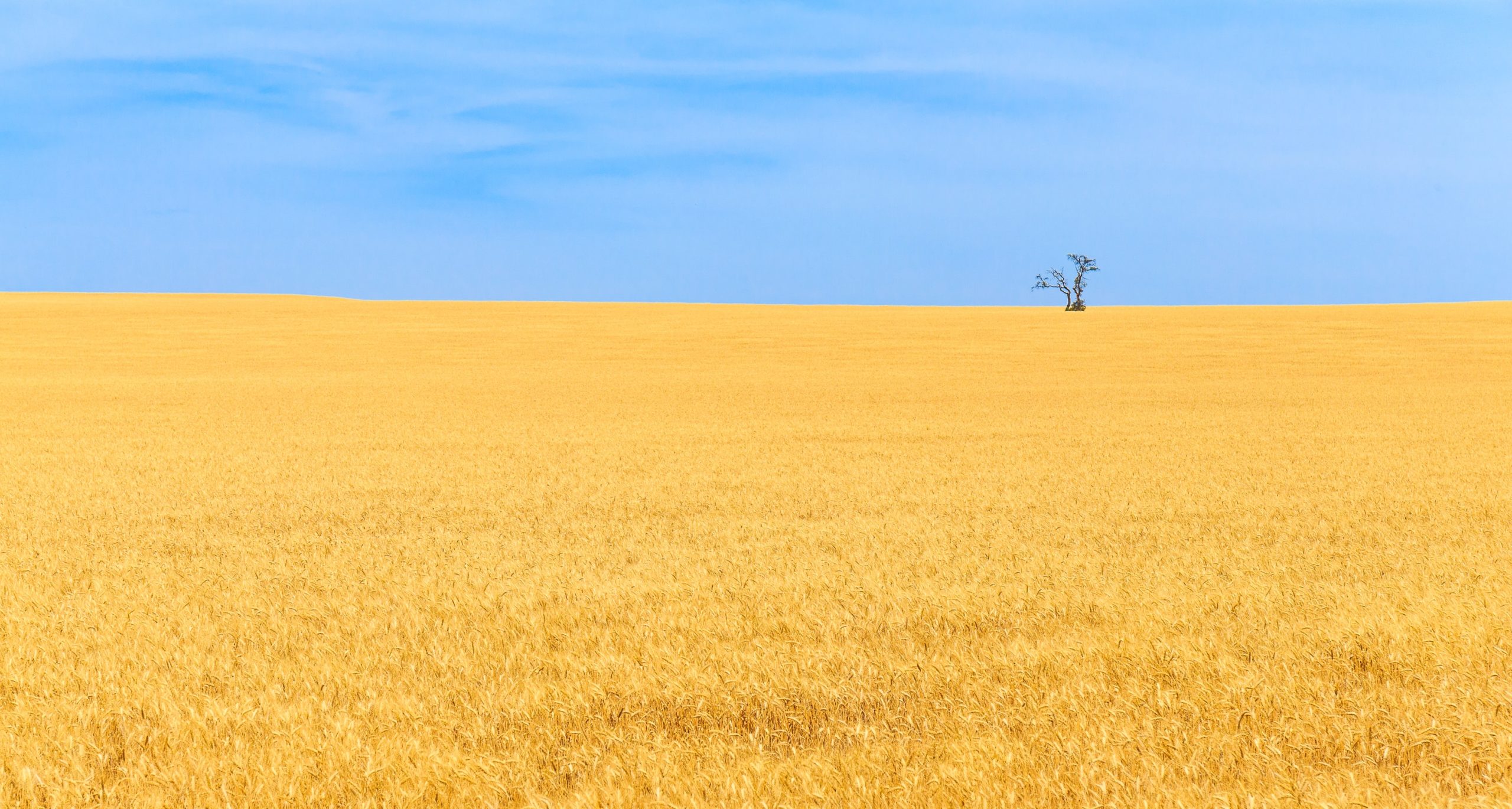
Wheat field in Antequera, Spain

How speculators on the financial market are driving the rise in food prices

Food speculation is driving the wild increase in food prices. Food speculators bet on food prices by buying futures contracts from farmers. They don’t actually want to buy the food, of course – they’re gambling that prices will go up and they will be able to sell on the contract and make a quick buck. In situations of crisis and market instability – like now, with Putin’s war in Ukraine – they act as hunger and war profiteers.

Indeed, in the immediate aftermath of the crisis, speculation on food commodities reached its peak. And the gamble paid off. Speculators who were specialised in trading agricultural commodities, such as Teucrium Wheat Fund, reported unprecedented profits which saw their share price beating all-time records. 

However, food speculators betting on our basic foodstuffs makes food markets highly volatile. They play with the principle of supply and demand, which can mess with a fair market and contribute to a sharp increase in food prices.

Social instability – speculation on the food market has led to uprisings and revolutions before

Although food speculation shot up in the aftermath of the war, it is not a new phenomenon. 

Speculation was already at the heart of the financial crisis of 2007 which led to a food crisis a year later. Experts consider this one of the major causes of the Spring uprising in North African and Middle-Eastern countries. Following this, in 2009, the G7 countries (Canada, France, Germany, Italy, Japan, the UK and the US) and the EU all committed to putting an end to food speculation. Legislators have adopted some rules since then, such as the Markets in Financial Instruments Directive (MiFiD) in the EU or the Dodd-Franck Act in the US. 

But, these have not stopped food speculation. In fact, the share of speculators in the market has increased since 2020 – and especially for some crucial foods that many countries depend on, such as wheat. Likewise, recent studies show that gas trading on financial markets is 114 times more important than actual gas consumption. 

For food security and stability – the EU needs stronger rules to fight speculation on the food market

The EU law to regulate market speculation is called the Markets in Financial Instruments Directive (MiFiD) – and it’s currently up for review. This is a unique opportunity to tackle food and energy speculation once for all. Yet, the new rules being proposed by the European Commission are still too lenient to curb excessive speculation on vital commodities, like food and energy. The EU’s rules are even more permissive than the US ones. It is also astonishing that, so far, the European Commission has not taken the time to properly assess the role of speculation in the rise of food and energy prices.

If it is serious about preventing speculation, the EU needs to do two things. One, apply strict limits to the capacity of a trader to speculate on food and energy commodities. And two, fix the loopholes in the regulatory framework. Speculators will use any regulatory gap to circumvent the rules and make profit at the expense of the poorest.

Fighting food speculation and food scarcity – ways forward to stabilise food prices

There is still time to make a change and save thousands of lives. The Greens/EFA are asking the European Commission and specialised EU agencies (like the European Securities and Markets Authorities (ESMA)) to run a full analysis of speculation as a driver of price increases in food and energy.

We are also calling on the EU institutions to investigate any harmful behaviour, such as financial traders deliberately pushing commodity prices upward to make more profit.

The Greens/EFA are leading the fight against hunger and war profiteers. We’re doing everything in our power to make sure that food and energy speculation cannot happen anymore. There is no time to waste.

HUMAN CRISES CAN’T MEAN CORPORATE PROFITS – THE CASE FOR AN EU-WIDE WINDFALL TAX

Does the EU need a windfall tax? We’re facing an escalating food crisis, the war in Ukraine and the COVID-19 pandemic. At the same time unprecedented inflation rates have had devastating effects on the vast majority of the population. However, a few people and corporations have heavily benefited from them, which has only driven inequality even further. A recent study by Oxfam International highlighted that every 30 hours there was a new billionaire in the world. At the same time every 33 hours a million people drop into risk of extreme poverty.

Back in March 2022, we asked the Council and the Commission to come up with coordinated action to tax windfall profits. Windfall profits occur if big energy companies that had dramatically increased their profits in the context of the war. Following our request, the European Commission submitted a recommendation to Member States to provide an answer to these extraordinary profits and tax them accordingly. This would help those suffering the most from the energy crisis in the EU. But only a few of the member states have moved forward, and it has definitely not been enough. 

Tax the 1% who benefit from the crisis to help the 99% who suffer

It was a good first step, but we require stronger measures. What was once seen as an ‘energy crisis’ has now become a cost of living crisis – spearheaded by the food crisis.  The consequences of these crises can be and already are brutal for the most vulnerable. To make things worse, a quick look into the market and we can immediately see that the largest corporations and conglomerates in fields such as food, big pharma, gas and oil, energy, and tech (to name just some of the more relevant ones) continue to make unprecedented profits at the cost of the rest of society. Banks and corporations across the EU keep telling citizens that a raise in their wages would only drive inflation out of control. In reality, it is the vast increase in corporate profits this time that cause the inflation.

An EU-wide windfall tax for those that profit from the war

A Union that prides itself in having the people at the heart of its policies cannot and should not allow that the very few continue profiting at the expense of the 99.9%. For this, and given the extraordinary situation we find ourselves in, we call for the Member States and the Commission to show serious ambition. We need to establish a coordinated approach to effectively address the cost of living crisis caused by corporations. The EU needs to implement a retroactive one-off windfall profit tax of 50% to all of the corporations that have seen an dramatic increase in their profits since the start of the war. We can then use the resulting revenues as a direct subsidy to those most affected by the crisis. 

We can calculate the retroactive one-off windfall profit tax by looking at the average profits of the previous five years. After, we compare these profits with the profits made in fiscal year 2022. The windfall tax would then tax the increased profit at 50%. 

For a just transition we need to put money where people need it the most

These revenues should be used by Governments to help citizens in a just transition to renewable energies through direct subsidies. Besides taxing the excess profits at 50% we also ask companies to reinvest 25% of excess profits in renewable energies. 

It is time to get serious and tackle the power that corporations have over people. Food giants cannot be gouging the prices of food at the expense of citizens. Energy giants cannot be making  billions in profits when citizens have to choose between freezing or eating. It is time to take action. If the Commission is as serious as it says  about ending inequalities and fighting for a green future, then it should fight for a harmonised windfall tax. We also need follow-up proposals so we never face this situation again. Let’s use this opportunity to invest in a future where we finally show respect for the people and the planet. 

What is a windfall tax?

A windfall tax is a one-off tax that governments put on profits of corporations that have seen their benefits increase in a dramatic way at a time of crisis or need. This tax only focuses on the unusual extra profits and it does not affect the rest of the revenue of the company. The purpose is to redistribute excess profits for the greater social good.

Source: investopedia.com

Roe v Wade – How the US Supreme Court ruling affects abortion rights in Europe

On June 24th 2022, the abortion rights of millions of US Americans were taken away. The US Supreme Court overturned Roe v. Wade, putting an end to the constitutional right to abortion in all 50 States of America.

It is a landmark ruling that will have wide implications for gender equality, human rights and freedoms all across the globe.

Access to abortion will now be limited or illegal for millions of people in the US, in some cases even if the unwanted pregnancy is the result of rape, incest or brutality. This could set a precedent for countries returning to conservative abortion legislation, endangering the lives of people who seek abortion. 

When abortion is illegal and criminalised, pregnant people turn to unsafe measures to get rid of their unwanted pregnancies. And we all know that taking away legal access to abortion does not lead to fewer abortions. It leads to unsafe and dangerous abortions. The World Health Organization (WHO) noted that a staggering 45 per cent of all abortions around the world, are unsafe, making the procedure a leading cause of maternal death.

Could our abortion rights in Europe also be stripped away soon?

What do we know about the backlash on sexual and reproductive rights and health in Europe? And what can we do to defend abortion rights across the world?

We talked abortion rights with 6 feminists who are putting up a hell of a fight for sexual and reproductive freedom and justice in Europe. 

Abortion rights are under attack in the USA – but abortion is also under threat in Europe

Abortion is legal throughout most of the EU, though the circumstances under which the termination of a pregnancy is allowed vary according to each country.

In a huge win for our rights, last year the European Parliament declared access to safe abortion a human right. However, in practice, access to abortion varies widely across Europe because it is considered a matter for national governements. Let’s go on a tour of Europe and look at different cases of abortion rights within the EU – Ireland, Malta, Poland, Northern Ireland, and Germany.

The Greens/EFA have called to add the right to abortion into the EU Charter of fundamental rights. This July Plenary the European Parliament will debate the resolution.


“We are afraid that Meloni wants to go further and to maybe follow Orban’s steps and require women to be psychologically “consulted” before the procedure.

Benedetta Scuderi

Benedetta Scuderi is Co-spokesperson of FYEG (Federation of Young European Greens). We talked to her about the situation on sexual and reproductive rights in her home country, Italy.

After recent elections in Italy, the country will face a radical right coalition government under Giorgia Meloni’s Brothers of Italy party. People in Italy are starting to worry about what this means for abortion rights.

What should feminists across Europe know about the situation on abortion access in Italy?

Abortion in Italy is possible since 1978 due to the famous “194 law”. People in Italy can have an abortion until the 90th day of their pregnancy. After that it is only possible between the 4th and 5th month of pregnancy for medical reasons. There are specific reasons to ask for an abortion procedure and self-determination is not among them. However, law vagueness allows a wide interpretation for what reason accessing an abortion is possible in any case.

This law came in after years of fights between the feminist movement in Italy and the catholic groups requests. The compromise is clearly seen in two main aspects of this law, the possibility of conscientious objection for doctors to not offer an abortion procedure after a 7 day waiting period after consultation.

Lately, more and more doctors are not operating abortion using their objections right. The State is not implementing any solutions to always guarantee a minimum number of doctors per hospital who are available for abortion. Therefore, access to abortion is getting complicated, and the situation is even worse in more conservative regions, like those run by Meloni’s Fratelli d’Italia. They also prohibited abortions pills, further limiting the access to legal and save abortion.

What is at risk now, after the elections in Italy in September 2022?

After the elections there is a high possibility that the access to safe abortion procedures will be further undermined. First, what has been happening in those regions governed by conservatives might be happening in the whole country. This could lead to a strict limitation of access to abortion, especially for more vulnerable groups who might not have time and resources to move around the country to find a doctor who can provide a save abortion.

However, there is more. Throughout her campaign, Giorgia Meloni clearly stated she wants to properly implement the first part of the 194 law. This is the part where the law requires a consultation with a doctor 7 days before the abortion procedure.

We are afraid that Meloni wants to go further and to maybe follow Orban’s steps and require women to be psychologically “consulted” before the procedure. Even worse, her government might decrease the cases in which abortion is possible and subject the access to a medical approval. These are not just fears, this could happen at any time now and we can’t let it happen.

How can we in the European Parliament support your rights?

We would like to see a European declaration for save and legal access to abortion and we want it to be included in the EU Chart of Fundamental Rights. The EU should also set minimum standards for abortion accessibility and women safety for the Member States.

Access to safe abortion means access to health care. Access to safe abortion is a human right, and the EU should treat it like so. We must stay strong and united to win this fundamental fight.


Access to safe abortion in Ireland: “They will never, ever stop coming for our reproductive rights. And we will never, ever stop fighting for them.”

Tara Flynn, Irish actress, author and abortion rights activist.

Tara Flynn is an Irish actress, author and pro-choice activist. She has been a vocal campaigner for reproductive rights and the repeal of Ireland’s 8th amendment.

What is the situation for abortion access in Ireland?

Here in Ireland, we voted by a landslide to repeal the constitutional ban on abortion in 2018. However, the pushback from anti-choice quarters remains. There still isn’t wide enough access. People with problems in later term are still having to travel. There’s an unnecessary three day wait, which serves no purpose other than to assume that the person making this very personal decision doesn’t know their own mind. 

I think the most important thing people should know is this: even though a majority of people in Ireland understand that abortion has always been needed and always will be – and they very clearly voted to reflect that – conservative forces will always be coming for our bodily autonomy and reproductive rights. We need to stick together, keep the pressure on our politicians, and not let our guard down for a second.

Are you afraid the Roe v Wade US Supreme Court ruling will impact the abortion rights in Ireland?

There’s a long-standing relationship between anti-choice forces here in Ireland and those in the US, even if it’s not always overt. They fought our campaign for abortion rights tooth and nail. I have no doubt they feel emboldened by the overturning of Roe. But we’re not going anywhere – certainly not back to punishing pregnant people in need and removing their privacy and dignity. 

The pro-choice community in Ireland – what kept your abortion rights activism going in challenging times?

The pro-choice community in Ireland really came together and held each other up. I used to say, “It’s not a sprint. Nor is it a marathon. It’s a marathon we’re being asked to do at a sprint.” What I meant by that is, we all need to do our part and we can’t leave it up to “them over there” or “activists”. By taking any action – even supporting a friend through a crisis pregnancy – you’re an activist. In that way, we need the race to be a relay: one person takes an action today, someone else the next. It’s far too easy to burn out. That’s why we have to do this together.


Taking away the right to abortion in the US is an attack on our rights. But it will hit women of colour, disabled women and other marginalised communities the most

Orla O'Connor

Orla O’Connor is the Director of National Women’s Council (NWC), the national women’s membership organisation in Ireland.

What’s happening in the US is an attack on women’s rights. It’s about control and power over women’s bodies and women’s lives. As with all reproductive rights restrictions, it is the most marginalised who will bear the brunt of this. It is women of colour, disabled women and pregnant people. Those who don’t have the resources to travel to states that do provide the care.

In Ireland, we know that restrictions in our legal framework and poor geographical coverage of services are also having a disproportionate adverse impact on marginalised communities here. I hope the US ruling will strengthen our collective resolve to demand that the ongoing Abortion Review tackles the legal barriers and brings our abortion care in line with WHO guidelines

Lessons from the US Supreme Court Ruling Roe v Wade – We cannot be complacent

The lesson from the US is that we can’t be complacent. We have to express solidarity with those directly impacted by the Supreme Court decision. We must continue to effectively organise and advocate for true reproductive rights here in Ireland.

Support and solidarity with a broad range of fellow reproductive health and rights advocates has been one of the most sustaining and fulfilling parts of my career to date. It’s so important to have that support system and to work together to achieve the change we know is urgently needed.


Poland imposes a near total ban of abortions in 2020 – Millions take on the streets for their abortion rights

Magdalena Gałkiewicz

Magdalena Gałkiewicz is a women’s rights, animal rights and climate activist, and Secretary General of the Polish Green Party.

Could you describe the situation of abortion access in Poland right now ?

In practice, abortion is prohibited in Poland. 

It is banned by the hands of the Polish Catholic Church and right-wing populists in power. They want to please the religious extremists and the international network of the Tradition Family and Property (TFP) sect. The TFP has a strong position in Poland thanks to the ruling right-wing populist coalition. 

The fight for freedom and human rights is a struggle between two realities. The reality of an authoritarian, patriarchal-religious-conservative past with an eco-feminist, sustainable and empathetic future. 

Abortion bans in Poland and now in the US – how are they connected?

The overruling of Roe v Wade worries me because the impact on the change of law in the US was made by the same international sect as in Poland. And it is both rich republicans from the US and Russian oligarchs who finance this Tradition Family and Property (TFP) sect.

If we do not resist together, the ban will spread from the US and Poland to other EU countries. It will spread through the EU, starting in Central and Eastern Europe.

Let’s support each other. Let’s talk boldly about our abortion experiences. Let’s not be afraid. Let us unite – the thousands, hundreds of thousands, millions of us. Together, we will be strong!
Magdalena Gałkiewicz

But let’s also remember that feminism is not only about the right to abortion and the right to gender equality. It is a fight for our future. We have to show solidarity with our sisters from the global south. It is a fight for the next generation and for the future of our planet. 


Malta upholds a total ban on abortion – Each action for abortion rights counts!

Mina Jack Tolu

Mina Jack Tolu is a committee member of the European Greens, and the International Secretary of the Green Party in Malta.

What should green feminists across Europe know about the situation on abortion access in Malta?

Malta has completely banned abortion. And, like in other countries where abortion is illegal, all this does is exacerbate the divide between rich and poor. Criminalising abortion doesn’t stop them from happening. It turns it into a luxury service that many can never afford. This is especially true when people have to go abroad to access a safe abortion.

Malta’s pro-choice movement is growing year after year. However, it takes time to fight a status quo set in the 1850s. The first step for many activists has been to question the society we grew up in. We’ve had to unlearn years of inadequate education on sex and sexual health. We then had to challenge the taboo and stigma in our own families and communities. This takes hard work.

What are the struggles of abortion rights activists in Malta and how can we support them?

The best advice I have received for mobilising and campaigning came from the trans rights movement. It encouraged me to look comprehensively at the attacks on reproductive rights across our struggles. Reproductive rights are often undermined by those wishing to uphold and maintain racist, classist, and ableist structures in society. 

And I will contrast this with the worst advice: Being an openly pro-choice politician in Malta is political suicide. Unfortunately, many of my pro-choice colleagues in other parties continue to follow this advice. With time, I hope they find the courage to step up and make their voice heard.

Fighting for access to abortion in Malta – things to be aware of 

When it comes to self-care in activism, it is important to recognise and respect your own boundaries. I am one of the first publicly pro-choice politicians in Malta. This is why I faced a lot of hate online which triggered anxiety around public speaking and recording video messages. I am only starting to overcome it now, three years later. But it didn’t stop my work behind the scenes. I kept helping to build networks and push for policy change within the Greens.

Activism for sexual self-determination would not be possible without building a community. Just like drops in water, each individual action has a ripple effect impacting more people than we could ever know. So keep fighting!


Germany changes the law  –  The ban on ‘abortion advertising’ is finally history

Terry Reintke is a Member of the Greens/EFA Group

Terry Reintke is a Member of the Greens/EFA Group in the European Parliament from Germany.

Let’s end with some stories of hope. For many years, the German Greens were fighting to abolish paragraph 219a of the German criminal law. On the same day as the Roe v Wade Court ruling took away the US right to legal abortion, Germany came one step closer to save and legal access to abortion.

It was an ugly legacy of the Nazi regime aiming to prevent women from getting information on the medical procedures of an abortion. In recent years, anti-choice activists had been using this paragraph to sue doctors who had published information about how to end an unwanted pregnancy on their websites. But those brave doctors, led by Kristina Hänel, fought back and went to the highest German Court – and they won. 

Thanks to their courage and persistence, the Greens (as part of the German government) were able to put an end to this unbearable situation, Doctors won’t be criminalised anymore for providing the most basic service and information to women who want to undergo an abortion.

Legal access to abortion in Germany – still a long way to go
Malena Meneses Gelpi

Malena Meneses Gelpi is a medical doctor, surgery resident, doula and visual artist based in Berlin.

In Germany, abortion itself remains an illegal procedure – and it is still a long and winding road to get to a point where you are provided with an abortion. Many still face huge obstacles in getting the information and unconditional support they need when facing unwanted pregnancies. Just days ago, the prohibition against the “commercialisation” of abortion was taken down, giving millions of people safe access to life saving information. For me as a physician, it’s a relief to see brave colleagues being decriminalised and witness a step forward for women* inside a misogynist system. 

Are you worried that the US ruling will impact abortion rights in Germany?

Just like the United States of America, we too are strongly influenced by outdated so-called Christian values that try to dictate a woman*’s role in society. I think it should alarm us how fast we have adjusted our lives around the achievements of feminist fights and glories from the past. On the other hand, we can also see how dangerously fast they can be taken out of our hands. We should look at our North American sisters* with concern and feel the urge to be even more vocal about self-determination concerning our bodies and the right to decide on having an abortion. 

We have to keep fighting for women*’s liberation on a daily basis: at the workplace, in your neighbourhood, inside your biological family, but also in the family you choose. But we can’t be fighting all the time – we need to be healthy and alive for the long journey towards gender equality and sexual freedom.


“Northern Ireland has shifted from the most restrictive regime on abortion to one of the most liberal overnight. But we need to stand firm to defend those rights.”

Clare Bailey

Clare Bailey is a Northern Irish politician and Leader of the Green Party Northern Ireland. She has actively supported people seeking abortion and survivors of sexual violence throughout her career.

What did you think when you heard about the Roe v Wade Supreme Court ruling on abortion rights in the US?

There has been a global outpouring of condemnation over the recent ruling of the U.S. Supreme Court to strike down Roe v Wade. But evidence shows we cannot ban abortions, we can only ban safe ones.

We know that banning abortions will not stop them from happening. It will instead stop safe abortion from happening and put women’s lives and livelihoods at risk. This is what the evidence shows us.
Clare Bailey, Leader of the Green Party Northern Ireland
What is the situation of access to safe and legal abortion in Northern Ireland and do you think the Roe v Wade ruling will affect it?

Northern Ireland has shifted from the most restrictive regime in the world, to one of the most liberal overnight. While this was a good news story, without the proper commissioning of services, women will still struggle to access the full healthcare they need. 

As our laws changed, the world was in lockdown due to the COVID-19 pandemic. We were told to stay at home to save lives. Regarding abortion services at that time, we saw access to telemedicine open up and women being allowed to self-medicate at home. We have known for a very long time that these pills – mifepristone and misoprostol, used to perform medication abortions – are some of the safest medicines we have. The WHO has listed them as essential medicine. But in Northern Ireland, our Health Minister did not make this service available. During the pandemic, we continued to force women to travel to England. 

The U.S. has dealt a brutal blow to women. And this will, of course, embolden anti-choice advocates everywhere. You can hear it in the recent words of Conservative MP, Danny Kruger, speaking about bodily autonomy, saying: “in the case of abortion, that right is qualified by the fact that another body is involved… this is a proper topic for political debate,”. 

The UK needs to pay attention and stand firm that there will be no roll back on our hard won rights. 

Five ways to rise for our rights to safe and legal access to abortion in the EU and around the world

Here are 5 ways we as a pro-choice abortion activists inside and outside politics can defend our rights:

  • Start a petition: In Finland, Naisasialiitto Unioni coordinated a citizen’s initiative to loosen restrictions around abortion access. The #OmaTahto petition aims to update the country’s old legislation, dating back to the 1970s. They reached the threshold of signatures in record time, and the proposal will be discussed in Parliament in the fall of 2022. 
  • Join local protests and donate to causes: If you can, join protests and support your local feminist organizations in the pursuit of reproductive justice. Start a fundraiser to donate money to charities. Find a local protest under our instagram post and add your city in the comments!
  • Vote for a woman or run for office: The case of Roe v. Wade raises critical questions about politics, power and decision-making. According to the Los Angeles Times, male senators accounted for 91% of the votes to confirm the five justices who overturned Roe v. Wade. Women’s participation in politics in the United States remains extremely low: only 24% of senators are women!

    Diversity and women’s meaningful participation in politics makes a huge difference in the lives of women and all minorities. Many local, national and international organisations support women and gender-diverse people in their campaigns – from the very first steps, all the way to election night (and beyond!) – such as the Dutch NGO Stem op een Vrouw (Vote for a woman!).

    Reach out to your local organisation or party to find out how you could run or, alternatively, support another candidate!
  • Go the constitutional route: French lawmakers have proposed a bill to enshrine abortion rights in the country’s constitution, according to a statement by two members of parliament. Feminist leaders in Belgium are looking into similar options. Could this be an option in your country?
  • Go big, or go home – Yes, we are talking about the EU: French President, Emmanuel Macron, has flirted with the possibility of introducing the right to abortion in the EU Charter of Fundamental Rights.

    Earlier this month, EU lawmakers voted in favour of a resolution criticising the US Supreme Court’s draft decision to overturn the landmark Roe v. Wade. For the second time in less than a year, the European Parliament took a stand on how abortion is handled across the Atlantic. In October 2021, the European Parliament called for calls for repeal of the abortion restriction in Texas. This week, the plenary will vote for a third resolution on the topic, the specifically calling for including abortion rights in the fundamental rights charter.

    Join the Greens in their fight for Sexual and Reproductive Health and Rights and stay up to date on our campaign on how to make change at the European level, sign up here.

Period tracking apps and the right to privacy – what can you do to protect yourself?

With the recent developments on the restriction of the right to safe and legal abortion in the US, users of period tracking apps could risk being tracked when logging a missing period or other symptoms of pregnancy. This data could then be used to even prosecute pregnant people or people looking for abortion in the US. We have gathered some ways to protect yourself and your private data, that you can share with your friends and family, especially when they are based in the USA:

  • Use a cycle tracker that does not share data with advertisers and third parties
  • Do not use your browser to research abortion possibilities while being logged in on Google or Facebook on the same device
  • Use a browser add-on that blocks third party cookies
  • Do not send SMS to doctors or abortion clinics, always use end-to-end encryption messengers

Stop the greenwashing – 10 reasons why this EU Taxonomy is not green at all

✍️ SIGN OUR PETITION:

With the EU Taxonomy the European Commission wants to label nuclear energy and gas as “green”. Leading up to the decisive plenary vote in July 2022 we will be covering different angles as to why the Greens/EFA in the European Parliament will not accept this greenwashing. So here are 10 reasons why gas and nuclear energy are not sustainable.

1 Labelling gas and nuclear energy “green” investments would mean financing Putin’s war
Wednesday, 06 July 2022

Today on Wednesday 6 June we are facing the extremely important vote on whether gas and nuclear label get a sustainability label or not.

Labelling it a green investment would mean financing Putin’s war. According to a recent study by Greenpeace, Russia would earn € 4 billion more per year from an expansion of gas capacity, meaning 32 billion by 2030.

While thanks to nuclear power, Rosatom, which is a Russian state company with strong commercial ties to the European nuclear industry, would secure 500 billion in additional investments.
Gas has become more than ever a source of energy insecurity and geopolitical risk for our continent.
It is no coincidence that the current greenbond market excludes gas and nuclear power. Including them would be counterproductive for banks and financial institutions. They need long-term certainty on the environmental impact of their investments.


Everyone knows that nowadays the price of renewables is far lower than gas. And new nuclear power plants take 15-20 years from planning to operation. Also, nuclear power plants are estimated to be 4 times more expensive than new onshore solar or wind power plants.


The ferocious lobbying of Russian companies such as Gazprom and Lukoil to include gas and nuclear power in the EU taxonomy has been amply demonstrated. This is not a coincidence, considering that the EU Taxonomy would be a gift to Putin to continue to violate the human rights of the Ukrainian people.

As the Greens/EFA in the European Parlament, we have no doubts: gas and nuclear power must stay out of the taxonomy.

2 The Taxonomy Lies
Tuesday, 05 July 2022


How is it possible that things always get messed up in the end? The EU taxonomy is (or was) a great and heroic idea to define – with a science-based approach – what is a green investment and to end the discussion on greenwashing in the financial sector once and for all. But we ended up with a severely watered-down version that does not serve its own purpose. This is no longer a taxonomy that will help to accelerate the financing of a green transition.

Enough has been said about labeling gas and nuclear as “sustainable activities”. It is completely wrong. Not science-based but vested-interest based. It also highlights a design flaw in the taxonomy, which was addressed by the Platform on Sustainable Finance in its March report. We should clearly distinguish sustainable, intermediate and neutral activities, with intermediate activities being activities that need to continue to improve their environmental performance levels over time. Natural gas might qualify for that.

And that is the relevant discussion: instead of concentrating on the green label, investments might more quickly move to a more sustainable direction if harmful activities were labeled. After all, which investor would think it is a good idea to invest in activities that are officially labeled as “harmful”? 

But for now, it is a lie if someone claims the taxonomy will speed up the energy transition. It speeds up vested interests. And sadly, we have politics to blame for that.

3 Taxonomy will make the cost of living crisis worse, not better
Friday, 01 July 2022

CIARÁN CUFFE


Diverting investment towards gas and nuclear, and away from truly green energy sources, will exacerbate the cost-of-living crisis in Europe and increase energy poverty. That is because, while we are still dependent on expensive energy sources like gas and nuclear, households will remain exposed to extreme price volatility in the energy market.

Promoting gas in infrastructure as green also promotes the falsehood that inefficient and faulty gas boilers are the “sustainable” choice. In reality, they will lock vulnerable households into energy poverty and an unsustainable future.

Meanwhile, prices of clean, renewable energies are hitting record lows. By choosing to invest in these technologies, we will accelerate our transition towards a highly energy-efficient and fully renewable-based economy. This will reduce energy costs and consumption of fossil fuels. We will also see gains in EU energy sovereignty, energy security, and come closer to meeting our climate targets. For individual households, a fully renewable-based economy means lower energy bills, lower prices, and a healthier environment to live in. It will lift millions out of energy poverty, and will shield every household in Europe from price shocks in the fossil energy markets. We have the technologies and the know-how to make Europe a fully renewable-based economy. So let’s say no to higher prices and more fossil fuels by voting down the EU Taxonomy, and make this economy a reality!

4 Public scrutiny is essential – citizens’ opinion on the greenwashing of fossil gas and nuclear cannot be ignored
Wednesday, 29 June 2022


When proposing to include investments in fossil gas and nuclear in the EU Taxonomy, the European Commission failed to respect the basic principles of public participation in the adoption of EU legislation.

European Institutions have established tools and rules to ensure that the EU decision-making process is fair, transparent and open to citizen’s feedback. These tools include the Better Regulation Guidelines and the Interinstitutional Agreement on Better Law Making. Both were neglected by the Commission in the process which led to the proposal including gas and nuclear in the EU Taxonomy of sustainable investments.

Both these instruments foresee an obligation for the European Commission to open a 4-week public consultation before adopting proposals. This consultation period should give citizens, civil society and any interested stakeholder the right to express their opinion on the decision in question. However, the EU Commission decided not to hold this consultation before proposing to classify gas and nuclear as sustainable with the EU Taxonomy.

The inclusion of gas and nuclear in the EU Taxonomy would have enormous consequences on the environment, on the future of our energy system, on the market, on investors, on public funds and on citizens. It is therefore essential that it is subject to public scrutiny. The draft to label gas and nuclear energy as green has received strong criticism from citizens, civil society, academics, policy makers and investors. All these voices have been ignored. One more reason to vote this Delegated Act down!

5 There will be no European energy sovereignty with the Greenwashing of gas and nuclear
Monday, 27 June 2022


There will be no European energy sovereignty by greenwashing gas and nuclear.
At the moment the EU is highly dependent on fossil and uranium imports. We import 70 percent of our hard coal, 90 percent of our gas demand, 97 percent of our oil demand, and even 100 percent of our uranium.

From Russia alone, the EU imports 40 percent of its gas and 20 percent of its uranium demand. Besides the import of gas and fuel rods, Europe is highly dependent on Russian infrastructure and spare parts for running nuclear power plants, primarily in Central and Eastern Europe.

This is why President Putin will pop champagne bottles if the EU Taxonomy will not be stopped by the European Parliament.

We need a massive expansion of renewables and an immediate energy efficiency program so Europe can achieve a sustainable energy supply and turn off Putin’s money tap.

Including nuclear and fossil gas into the taxonomy, even when labelled as “transitional” or “enabling”, will set these technologies on equal footing with solar and wind.

Instead of giving incentives to pump money into technology that is harmful to our climate the European Commission should steer its energy into fulfilling the European Green Deal.

This is why we will vote down the EU Taxonomy!

#NotMyTaxonomy

6 Follow the science – to save the climate fossil gas needs to stay in the ground.
Thursday, 23 June 2022


To fight climate change, we need clarity and leadership on the best way forward. But the European Commission is doing the exact opposite. They have proposed to label investments in fossil gas and nuclear power as “green investments” in the EU taxonomy. This goes against science. It gives the wrong signal to private investors and diverts European public money. We desperately need to promote energy savings and renewables. This is why this EU taxonomy must be rejected. 

I won’t even waste time explaining again why nuclear power is just about the most expensive and dangerous energy in the world. As for gas – the International Energy Agency itself calls for a halt to all new fossil fuel projects. 

Even the European Commission’s own estimates state that the European Union must have reduced its gas consumption by at least 36% by 2030, and that we have to be completely off gas within a decade. Gas cannot therefore be given a green label! 

The EU is caught in a contradiction: it pushed for the inclusion of the end of fossil fuel subsidies in the Glasgow Climate Agreement. On the other hand, by designating gas as “green”, it will stimulate investment in gas. This would have a disastrous global impact and would turn its back on the objective of keeping global warming to 1.5°C. 

Boosting gas investments is not a transitional measure, but a full-scale attack on the climate. Together, let’s reject the taxonomy’s delegated act on gas and nuclear!

7 The European Commission itself says: Only clean energy should be labelled as sustainable.
Thursday, 02 June 2022

Thomas Waitz MEP Greens/EFA

According to the European Commission’s proposal itself, investments should only be labeled green if they firstly contribute to climate mitigation and adaptation and secondly do no significant harm

But if there is one thing certain, then that The EU-Commission’s proposal to include gas and nuclear energy production in the Taxonomy regulation does significant harm to the consumer’s trust by including nuclear energy in the list of investments that are considered sustainable.

And here’s why: We simply cannot build a circular economy on the uranium fuel cycle. Uranium is, per definition, a limited, non-renewable resource. In addition, nuclear energy is already the most expensive form of energy according to recent studies. And that is even when we are excluding the unforeseeable costs to future generations for storing and destroying the waste. 

Looking at the enormous risks that nuclear energy poses to life on earth, we cannot switch to investing into renewable energy fast enough. Building new nuclear power plants takes time and valuable resources. Projects currently under construction are already facing massive delays. It can take several decades before a new nuclear power plant is operational. We don’t have that kind of time. Let’s encourage companies to invest into clean and renewable sources of energy instead of labeling investments into nuclear energy as “green”.

Therefore we are going to “do no significant harm” by objecting to the European Commission’s proposal on the EU Taxonomy.

8 No time to waste – The EU Taxonomy should be promoting truly sustainable investments now.
Wednesday, 01 June 2022


To keep our planet liveable we need billions of investment towards sustainability. But the EU is at risk of failing in its massive task of steering these investments towards those economic activities that we need in the next decades to survive.

At the last climate summit in Glasgow, the world moved slowly but surely in the direction of phasing out fossil fuels. With the decision made by the European Commission, the EU now risks turning the clock backwards by  including both fossil gas and nuclear power in the taxonomy for sustainable investments. In the upcoming weeks, the European Parliament has a last chance to stop this.

The EU Taxonomy is increasingly used as a reference for European and even global investments. Classifying fossil gas and nuclear energy as ‘sustainable’ would strike at the foundations of virtually all EU policies to increase the sustainability of investments. 

We are facing a climate crisis, a cost-of-living crisis and the war in Ukraine. This means that the EU urgently needs to become independent of Russian uranium and gas. Artificial incentives to invest in expensive nuclear and dirty fossil energy at the expense of renewables and other sustainable sectors is the last thing we need. 

The European Parliament has the power to make sure that the EU Taxonomy remains an instrument for promoting truly sustainable investments. We need to block the attempt to paint gas and nuclear energy green.

Let’s stop the greenwashing. Stop this Taxonomy now!

9 The EU Taxonomy is a financial and environmental threat to younger generations. We will not accept it!
Wednesday, 01 June 2022

Martina Comparelli

Fridays for Future climate activists Martina Comparelli & Marco Pitò criticise the EU Taxonomy

Climate activists all around the world agree: the European Commission cannot get away with a misleading EU taxonomy on sustainable investments.

On January 13th, we youth activists from all over Europe protested with two handcrafted fossil gas plant cooling towers provided by Greenpeace. They were painted green, the same way that the European Commission is greenwashing gas plants with this EU Taxonomy.

We still have a chance to stop this. Until the beginning of July we need to convince at least 353 Members of the European Parliament to block this EU Taxonomy.

Join in and help us to spread the word. Come to a protest or organise one, write to your MEPs. And never lose hope. We will not accept this scam. Not for our generation and not for the ones to come.

Stop the EU Taxonomy – We need to stick to the Paris Agreement and invest in a green future instead
Wednesday, 01 June 2022

The Greens/EFA Climate Campaigner, Hedvig Sveistrup

In December 2021, the European Commission adopted a list of criteria for sustainable investment, the EU “Taxonomy”. With the Taxonomy Regulation, the European Commission wants to set a standard for which investments made in the EU are sustainable and which ones are not.

This EU Taxonomy for sustainable investments should ensure that that EU countries and companies are encouraged to invest climate friendly. This way these investments would be more in line with the EU’s Green Deal and the climate targets of the Paris Agreement.

But this list has a major error: the Commission’s announcement also classified investments in gas and nuclear power as sustainable. And this is despite us all knowing that fossil gas and nuclear energy cause considerable harm to the environment and contribute to global warming.

This is greenwashing of energy technologies that are harmful to climate and to the environment, and it must be stopped!

Leading up to the plenary vote in July we will be covering different angles as to why the Greens/EFA in the European Parliament will not accept this greenwashing, this EU Taxonomy.

We need the EU to encourage truly green investments and renewable energies to move away from fossil gas and energy dependence and to stop the climate crisis.

✍️ Sign our petition to stop the greenwashing and follow us here for weekly updates on the EU Taxonomy.

Nuclear energy is not sustainable – So let’s not label it as such

Nuclear energy is not without risks and places a burden on future generations, as accidents with huge consequences in Fukushima and Chernobyl show. Nuclear waste is dangerous for generations to come. Uranium mining and milling, and the storage and disposal of high-level radioactive waste and spent fuel do not respect the taxonomy law requirement to prevent significant harm to any environmental objective. 

Let’s rather invest in making energy use more efficient and in the development of renewable energy. Renewable energy sources, such as wind and solar, lead to much faster greenhouse gas reductions. 

How will we achieve climate neutrality? Not with the EU Taxonomy

New investments in fossil activities such as gas-fired power plants are incompatible with the goal to achieve carbon neutrality in 2050 as the International Energy Agency (IEA) has recently confirmed. We have to stop fossil investments already from the year 2022 onwards to keep in line with the 1,5 degree temperature goal.

Why is the EU then encouraging private gas investments when at the same time the EU rightly called for the ending of fossil subsidies at the COP26?

Stop this Taxonomy and sign our petition above!


LA SALUTE MENTALE È SINONIMO DI RICCHEZZA – MA ALLORA PERCHÉ I GIOVANI IN EUROPA NON HANNO NESSUNA DELLE DUE?

Il mondo è in fiamme. Una pandemia globale infuria. L’economia si muove al rallentatore. Non ci sono posti di lavoro. I giovani non possono permettersi di lasciare la casa dei genitori o di vivere da soli. Leggere le notizie è deprimente. Non c’è da stupirsi che i problemi di salute mentale tra i giovani(dai 15 ai 24 anni) siano raddoppiati in un solo anno. Tre dei nostri stagisti Greens/EFA – Marco, Carolina e Timothy, giovani provenienti da tutta l’UE – ci raccontano come sono stati colpiti dalla disoccupazione, dalla crisi degli alloggi e dal cambiamento climatico, e il conseguente l’impatto sulla loro salute mentale.

Insieme al Covid-19, un’altra pandemia invisibile ha travolto il mondo dall’inizio del 2020. Stiamo parlando della crisi della salute mentale giovanile. Da quando è iniziata la pandemia, i giovani hanno infatti dal 30% all’80% di probabilità in più di sperimentare la depressione o l’ansia, secondo un rapporto dell’OCSE (Organizzazione per la cooperazione e lo sviluppo economico).

Le cause dei problemi di salute mentale tra i giovani sono varie. E, naturalmente, ogni giovane ha i propri fardelli personali. Tuttavia, è chiaro che la nostra generazione debba affrontare alcuni problemi comuni, di enorme gravità. Per questo motivo, in questo blog osserviamo più da vicino tre questioni che i giovani devono affrontare in Europa – la crisi climatica, la disoccupazione e la crisi degli alloggi – chiedendoci: com’è affrontare questi problemi come giovane nell’UE? E come possiamo proteggere la nostra salute mentale?

Mentre leggi, perché non ascolti la nostra playlist sulla salute mentale? Danziamo insieme sui nostri problemi, che fa bene! 

DOVER LOTTARE PER UN ALLOGGIO: QUANTO INFLUENZA LA SALUTE MENTALE DEI GIOVANI?

Carolina photo

Carolina viene da Madrid, in Spagna

Carolina ha 23 anni. Abbiamo fatto una chiacchierata con lei e ci ha raccontato quanto la difficoltà per aggiudicarsi un alloggio al giorno d’oogi influenzi la nostra generazione, aggiungendo alcune sue riflessioni sul conseguente impatto sulla salute mentale dei giovani.

Che impatto ha la crisi degli alloggi in Europa sui giovani?

Trovare una casa è molto più difficile che in passato, soprattutto per i giovani. Mentre i nostri genitori o nonni alla nostra età probabilmente avevano già un lavoro e una casa, noi riusciamo a malapena a pagare l’affitto ogni mese.

Ho avuto la fortuna di vivere in quattro paesi: Spagna, Francia, Belgio e Regno Unito. In tutti, ho visto come i miei amici abbiano sofferto lo stress e l’incertezza di non sapere dove avrebbero vissuto il mese successivo. O trovi qualcosa ad un prezzo accessibile o, se no, devi prendere le tue cose e tornare a casa.

I prezzi elevati e un mercato immobiliare in rapida evoluzione rendono il trovare un posto economico in cui vivere una vera e propria lotta. Spesso ci sono fin troppi requisiti necessari prima di poter firmare un contratto: assicurarsi un contratto di lavoro, trovare un garante, risparmiare per poter pagare un deposito… delle barriere che molti giovani semplicemente non riescono a superare. Per esempio, a Lione, ho vissuto in un alloggio privato per studenti. Anche lì, mi hanno chiesto informazioni sullo stipendio dei miei genitori negli ultimi due anni e necessariamente due garanti. Nonostante io fossi una studentessa con una borsa Erasmus.

In Spagna, ho anche visto le diverse realtà del vivere in grandi città come Barcellona e Madrid. L’affitto medio mensile in queste due città è dell’82% più caro che nel resto del paese. Dovendo anche pagare per la loro istruzione, i miei amici che vengono a Madrid da altre città difficilmente riescono a trovare una stanza ad un prezzo accessibile,

In media, i giovani costituiscono il 20-30% del numero totale dei senzatetto nella maggior parte dei paesi europei. Questi numeri sono aumentati negli ultimi anni e la situazione è solo peggiorata durante la pandemia.

Anche i più fortunati, che possono permettersi di pagare l’affitto, devono destinare più del 50% del loro stipendio all’alloggio. Il che rende difficile arrivare a fine mese. Gli stage non pagati o i bassi salari aggiunti all’alto costo dell’affitto nella maggior parte dei paesi europei rendono il tutto un circolo vizioso dal quale non si ha scampo.

I giovani sono intrappolati: non siamo in grado di firmare un contratto d’affitto da soli, non possiamo permetterci l’affitto e non possiamo risparmiare per la nostra futura casa.

E la condivisione di un appartamento? È questo il futuro degli alloggi per i giovani?

Condividere un appartamento con altre cinque persone è diventata la cosa normale per chi ha 20 o 30 anni. In città come Madrid, Barcellona, Parigi, Amsterdam o Bruxelles, l’affitto medio mensile di un appartamento è di circa 1000€, mentre lo stipendio medio dei giovani in Spagna o in Italia è di 1200€. Non è difficile fare i conti. L’unico modo per diventare indipendenti è condividere un appartamento.

Condividere un appartamento è spesso definito come “un’esperienza che arricchisce” o “vivere in un ambiente multiculturale”. E spesso viene chiamato co-living. Questa dicitura cerca di romanzare la situazione molto precaria in cui si trovano tanti giovani in tutta Europa. In realtà, vivere con degli estranei non è una mera preferenza personale – ma la nostra unica opzione.

Cosa c’entra la crisi degli alloggi con la salute mentale?

Il costo dell’affitto, l’ansia di non trovare un posto dove vivere o di dover contare sul sostegno finanziario dei propri genitori sono paure condivise da molti giovani in tutta Europa.

L’incertezza rende quasi impossibile per i giovani anche solo pensare di avere figli o comprare una casa senza un lavoro stabile, cambiando di fatto le nostre principali scelte di vita, facendoci spesso sentire intrappolati e senza valore. Questa insicurezza sul futuro crea uno stress costante e la preoccupazione di ciò che accadrà dopo.

Le lotte per l’alloggio possono portare a incertezza, insicurezza, ansia, sentirsi a disagio o sentirsi depressi. Questi sentimenti possono anche peggiorare qualsiasi condizione di salute mentale pre-esistente. La maggior parte dei giovani senza una casa ha già a che fare con problemi di salute mentale, il che può rendere ancora più difficile per loro superare le difficoltà di alloggio.

Mi piacerebbe vedere una strategia UE per la salute mentale. Abbiamo bisogno di un approccio europeo alla salute mentale. In modo che non importa da dove tu venga in Europa, ma che i servizi di salute mentale siano accessibili a tutti noi. E, naturalmente, dobbiamo garantire l’accesso a case a prezzi accessibili per tutti.

DISOCCUPAZIONE: COME INFLUISCE SULLA SALUTE MENTALE DEI GIOVANI?

Marco Piana

Marco viene da Pavia, in Italia

Marco ha 26 anni. Ci ha raccontato come rimanere disoccupato lo abbia colpito mentalmente e come questo influisca sulla salute mentale dei giovani più in generale.

Marco, come ti sei sentito ad essere disoccupato durante la pandemia?

Avevo 24 anni quando mi sono trasferito da Copenhagen a Bruxelles, sperando di iniziare presto la mia vita lavorativa.

Dopo i primi giorni, ho capito che il livello di competizione per ottenere uno stage retribuito relativo ai miei interessi (relazioni internazionali e cooperazione) era eccessivamente alto. Il mercato del lavoro era completamente saturo. Quindi, come spesso nella mia vita ho cercato di trovare un lavoro in un bar, un ristorante o un negozio. Senza, non sarei stato in grado pagare le bollette. Purtroppo, nel giro di due settimane tutte queste attività hanno dovuto chiudere causa Covid.

Così, ho abbassato ulteriormente le mie aspettative, sperando semplicemente di trovare una qualsiasi fonte di reddito il più presto possibile. Ho iniziato a inviare un’infinita serie di domande di lavoro, le quali tornavano cronicamente a destinazione fresche di rifiuto. Iniziavano sempre con: “Nonostante il suo profilo sia altamente qualificato per la posizione, in questa occasione, abbiamo deciso di non portare avanti la sua candidatura“. O ancora: “Le scrivo per farle sapere che non è stato selezionato per il colloquio, ma siamo sicuri che troverà qualcos’altro in futuro, visto il suo brillante profilo!“. Apparentemente, però, il mio profilo da solo non bastava. Avevo bisogno di una previa esperienza lavorativa prima di poter ottenere la mia vera e propria esperienza lavorativa. Paradossale, non trovate?

Di fatto, ho passato mesi in una condizione precaria, sia mentalmente che finanziariamente. Le restrizioni per arginare gli effetti del Covid-19 e l’isolamento hanno ovviamente avuto un ulteriore impatto negativo sulla mia routine quotidiana. Dopo sei mesi, avevo quasi raggiunto un esaurimento. Alla fine, sono stato costretto a tornare a casa in Italia per alcuni mesi, il che mi ha fatto sentire peggio. Pensavo di aver perso la battaglia per ottenere un lavoro, dopo aver appena ottenuto due lauree magistrali.

In che modo la pandemia di Covid-19 e la disoccupazione hanno colpito i giovani?

Alla fine, ho comunque deciso di rinunciare ad un lavoro remunerato e iniziare uno stage non pagato. Ciò sia per continuare a incrementare il mio CV (cosa che è apparentemente successa), sia per convincermi che almeno stavo facendo qualcosa.

La realtà è che nonostante i vari lavori part-time che ho fatto durante gli studi, sono sempre stato dipendente da qualcuno. Mi considero una persona estremamente fortunata, perché la mia famiglia è sempre stata in grado di supportarmi economicamente e mentalmente. Ma più di una volta ho sentito che la mia stessa dignità mi stesse venendo tolta. Questa sensazione di inadeguatezza, mi ha fatto dubitare delle mie capacità, rimettere in discussione le scelte di studio che avevo fatto  e perdere la fiducia nel sistema occupazionale.

Avete avuto un’esperienza simile negli ultimi due anni? Non siete soli.
Secondo una ricerca di Eurostat, nel 2020 c’erano quasi 14 milioni di giovani adulti (tra i 20 e i 34 anni) che non erano né occupati né in formazione.

Un recente studio del Parlamento europeo ha mostrato che i giovani sono stati particolarmente colpiti dal Covid-19, in termine di occupazione e salute mentale, per i seguenti motivi:

  • la pandemia ha colpito più duramente il settore alberghiero e ristorativo, che impiega molti studenti, i quali potevano permettersi di perdere la loro unica fonte di reddito.
  • molti datori di lavoro sono riluttanti ad assumere i giovani a causa della mancanza di esperienza, ma non si può fare esperienza senza trovare un lavoro. Questo crea una situazione impossibile per i giovani che cercano di trovare lavoro subito dopo aver finito la loro istruzione. 
  • i giovani sono più propensi a firmare contratti temporanei, che sono stati i primi ad essere terminati durante la pandemia, e di conseguenza i più precari.

Un altro studio a livello europeo ha scoperto che il benessere mentale ha raggiunto il suo livello più basso in tutti i gruppi di età dall’inizio della pandemia, più di due anni fa. Non sorprende che i giovani abbiano sperimentato più solitudine, depressione e isolamento sociale di qualsiasi altro gruppo.

Cosa si sta facendo a livello europeo per affrontare la disoccupazione e la salute mentale dei giovani nell’UE?

Il 2022 è l’anno europeo della gioventù. L’obiettivo sarebbe mettere in luce l’importanza di dare voce alle sfie che noi giovani dobbiamo affrontare quotidianamente. Ad un livello più pratico, gli Stati membri dell’UE hanno presentato i loro piani di investimento per migliorare il livello di vita complessivo dei giovani nell’Unione europea, dopo la pandemia Covid-19.

Kim Van Sparrentak, una delle più giovani eurodeputate dei Verdi/ALE, ha affrontato la

questione lo scorso febbraio con un brillante discorso nel dibattito del Parlamento europeo, “Una gioventù, un’Europa”.

Inoltre, il gruppo dei Verdi/ALE da mesi lavora mano nella mano con la FYEG (l’organizzazione ombrello dei Giovani Verdi in Europa). Insieme, abbiamo organizzato una campagna per il divieto degli stage non pagati e una per garantire uno standard minimo di diritti per le condizioni di lavoro dei giovani.

Per me, questo sarebbe il primo passo concreto per colmare un vuoto che troppi giovani devono subire prima di poter guadagnare un reddito decente e dignitoso e per iniziare la loro transizione verso l’età adulta.

ANSIA DA CLIMA: COME INFLUISCE IL CAMBIAMENTO CLIMATICO SULLA SALUTE MENTALE DEI GIOVANI?

Tim Cullen

Timothy viene da Trier, in Germania

Timothy ha 26 anni ed è di doppia nazionalità scozzese e tedesca. Insieme abbiamo discusso di come il cambiamento climatico influisca sulla salute mentale dei giovani, alimentando le loro ansie e paure. 


Cos’è esattamente l’ansia da clima?

L’ansia climatica è una forma di angoscia psicologica per la minaccia posta dalla crisi climatica. È un fenomeno relativamente nuovo, ma i suoi effetti sono diffusi. Uno studio recente proveninete dalla Germania ha mostrato che il 55% dei giovani sono preoccupati dagli impatti del cambiamento climatico sul loro benessere.

Come giovani, tendiamo a sperimentare l’ansia climatica più intensamente poiché siamo la generazione che subisce (e subirà sempre più) le conseguenze di un pianeta che si riscalda. L’ansia climatica tra i giovani è spesso associata ad un senso di impotenza che nasce quando i governi fanno troppo poco per fermare il cambiamento climatico.

Oggi, abbiamo raggiunto un periodo in cui stiamo vedendo le conseguenze del cambiamento climatico dispiegarsi davanti ai nostri occhi. Tutti abbiamo assistito o siamo stati personalmente colpiti da disastri naturali come incendi boschivi, siccità e inondazioni. C’è un senso di inevitabilità riguardo al cambiamento climatico. Si sta facendo troppo poco, troppo tardi. L’ansia climatica nei giovani è aumentata, perché temono per il loro futuro e per quello del pianeta.

Questa ansia è anche giustificata dal recente rapporto dell’IPCC (Gruppo Intergovernativo di Scienziati sul Cambiamento Climatico), che ci dice che questi disastri climatici peggioreranno se i governi non iniziano ad agire ora. Inazione sul cambiamento climatico significa non dare priorità alla protezione della salute mentale dei giovani.

Timothy, puoi dirci cosa significa per te l’ansia da clima?

L’ansia climatica per me è un’esperienza profondamente personale. L’anno scorso ho assistito alla devastazione causata da gravi inondazioni vicino alla mia città natale, Trier, in Germania. Più di 200 persone in Europa hanno perso la vita a causa delle inondazioni.

Ricordo bene le emozioni di quell’estate. Mi sentivo triste e impotente guardando il telegiornale. Era lo stesso senso di impotenza che ho provato durante il picco della pandemia di Covid-19. Solo che questa volta, la catastrofe ha colpito ancor più “vicino” a casa.

La mia paura oggi è che questo tipo di eventi si ripetano ancora e ancora. Più che paura, è una triste realtà. Soprattutto perché l’ansia climatica non sembra qualcosa che i giovani dovrebbero affrontare da soli. Come giovane, non dovrei preoccuparmi dell’ignoranza e dell’inazione dei governi nella lotta contro il cambiamento climatico. Nella mia visione, l’ansia climatica è un peso inutile sulle spalle dei giovani.

Cosa possiamo fare per l’ansia climatica?

In primo luogo, abbiamo assolutamente bisogno di servizi di salute mentale più abbordabili e accessibili.

Se i governi vogliono davvero mostrare di prendere sul serio l’ansia climatica, allora dovrebbero fare tutto ciò che è in loro potere per migliorare l’assistenza alla salute mentale. Questo include anche più fondi per la ricerca sui problemi di salute mentale.

Per fortuna, ho visto che nonostante tutti gli ostacoli già menzionati, la nostra generazione è davvero resiliente. Infatti, dopo un’assenza di 2 anni, abbiamo visto gli attivisti del clima tornare nelle strade per il primo sciopero globale del clima dopo la pandemia.

Personalmente, ho scoperto che partecipare ad una manifestazione mi fa superare le molte emozioni negative che associo al cambiamento climatico. Mi sento rafforzato e trovo un senso di appartenenza, poiché vedo che la mia generazione è unita in questa lotta collettiva. Ciò mi aiuta davvero a tranquillizzarmi un po’.

In definitiva, però, l’unico modo per eliminare l’ansia climatica come una delle radici dei problemi di salute mentale è quello di mitigare il cambiamento climatico. Abbiamo bisogno di un’azione chiara sul clima e ne abbiamo bisogno ora. (Leggete come i Verdi/EFA hanno spinto per l’azione climatica nell’UE).

In ogni caso, dobbiamo continuare a fare pressione. Per ora, il nostro strumento più potente per chiedere conto a chi prende le decisioni è portare la lotta per la giustizia climatica nelle strade. Dobbiamo esigere che i politici agiscano ora – non solo per il bene della nostra salute mentale, ma per un futuro degno del nostro meraviglioso pianeta.

QUINDI, DOVE ANDIAMO DA QUI?

È inutile nascondersi, la maggior parte di noi avrà un problema di salute mentale ad un certo punto della propria vita. Ogni giovane che ha bisogno di servizi di terapia merita l’accesso a opzioni di terapia appropriate, indipendentemente dalla sua situazione finanziaria.

Quindi, abbiamo bisogno di una strategia europea per la salute mentale. Abbiamo bisogno di servizi di salute mentale che siano abbordabili e accessibili a tutti, soprattutto per i più poveri, per i migranti e per i più vulnerabili.

Per risolvere la crisi della salute mentale dei giovani, abbiamo bisogno di:

• Un diritto ai servizi di salute mentale in tutta l’UE

• Finanziamenti per la cura e la ricerca sulla salute mentale

• Indennità di alloggio per i giovani

• Un reddito minimo in tutta l’UE

Ci rendiamo conto che non ci sono soluzioni rapide a grandi problemi come la disoccupazione, il costo degli alloggi e la crisi climatica. Eppure, le nostre storie mostrano che i problemi di salute mentale dei giovani dovrebbero essere presi sul serio. 

Siamo stanchi della pandemia del Covid-19. Siamo stanchi della pandemia relativa alla salute mentale dei giovani.

Chiaramente, ora siamo a un bivio. I governi dell’UE o continuano a ignorare le cause profonde della salute mentale, o iniziano ad agire. Speriamo che le nostre storie abbiano dato loro qualche spunto di riflessione.

Ora vogliamo sentire le vostre opinioni!

Che esperienza avete avuto a livello di salute mentale durante la pandemia? Soffrite di ansia da clima? Cosa pensate della guerra in Ucraina?

Non vediamo l’ora di leggere le vostre storie sotto questo post su Instagram.
Saremo prontissimi a respondervi – ci vediamo lì!

LA SALUD MENTAL ES RIQUEZA, ¿POR QUÉ LA JUVENTUD EUROPEA NO TIENE NINGUNA DE LAS DOS?

El mundo está en llamas. Una pandemia mundial hace estragos. La economía va a cámara lenta. No hay trabajo. Los jóvenes no pueden permitirse independizarse de sus padres o vivir por su cuenta. Leer las noticias es deprimente. No es de extrañar que los problemas de salud mental entre los jóvenes (de 15 a 24 años) se hayan duplicado en sólo un año. Tres de nuestros becarios de Los Verdes/ALE –Marco, Carolina y Timothy, jóvenes de toda la UE- nos cuentan cómo les han afectado el desempleo, la crisis de la vivienda y el cambio climático, y el impacto que ha tenido en su propia salud mental.

Junto a la COVID-19, otra pandemia invisible ha arrasado el mundo desde principios de 2020. Se trata de la crisis sobre la salud mental de los jóvenes. Los jóvenes tienen entre un 30% y un 80% más de probabilidades de sufrir depresión o ansiedad desde que comenzó la pandemia, según un informe de la OCDE.

Las causas de los problemas de salud mental entre los jóvenes son muchas. Y, por supuesto, cada joven tiene sus propias cargas personales. Sin embargo, está claro que nuestra generación se enfrenta a algunos enormes problemas comunes. Nos centraremos en tres temas que afrontan los jóvenes en Europa -la crisis climática, el desempleo y la vivienda- y nos preguntaremos: ¿cómo es enfrentarse a estos problemas como joven en la UE? ¿Y cómo podemos proteger nuestra salud mental?

Mientras lees, ¿por qué no escuchas nuestra lista de reproducción sobre salud mental? Siéntete libre y baila un poco con nosotros sobre estos problemas compartidos

LUCHA POR LA VIVIENDA: ¿CÓMO AFECTA A LA SALUD MENTAL DE LOS JÓVENES?

Carolina photo

Carolina de Madrid, España

Carolina tiene 23 años. Hemos charlado con ella y nos ha contado cómo afecta la lucha por la vivienda a su generación y cómo cree que afecta a la salud mental de los jóvenes.

¿Cómo afecta la crisis de la vivienda en Europa a los jóvenes?

Encontrar una casa es mucho más difícil ahora que en el pasado, sobre todo para los jóvenes. Mientras que nuestros padres o abuelos probablemente ya tenían un trabajo y una casa a nuestra edad, nosotros apenas conseguimos pagar el alquiler cada mes.

He tenido la suerte de vivir en cuatro países: España, Francia, Bélgica y Reino Unido. En todos ellos, he visto cómo mis amigos sufrían el estrés y la incertidumbre de no saber dónde vivirían al mes siguiente. Si encontrarían algo a un precio asequible o si tendrían que recoger sus cosas y volver a casa.

Los altos precios y la rapidez con la que cambia el mercado de la vivienda hacen que sea una verdadera lucha encontrar un lugar barato para vivir. A menudo hay tantos requisitos antes de poder firmar un contrato: tener un contrato de trabajo, encontrar un garante, ahorrar para un depósito… Es una barrera que muchos jóvenes simplemente no podrán cruzar. En Lyon, viví en un alojamiento privado para estudiantes. Aun así, me pidieron el sueldo de mis padres de los dos últimos años y dos avalistas, a pesar de ser una estudiante con una beca Erasmus.

En España, también he visto las diferentes realidades de vivir en grandes ciudades como Barcelona y Madrid. El alquiler medio mensual en estas dos ciudades es un 82% más caro que en el resto del país. Mis amigos que vienen a Madrid desde otras ciudades apenas consiguen encontrar una habitación a un precio asequible, y además tienen que pagar por su educación.

De media, los jóvenes representan entre el 20 y el 30% del total de personas sin hogar en la mayoría de los países europeos. Estas cifras han aumentado en los últimos años y la situación no ha hecho más que empeorar durante la pandemia.

Incluso los más afortunados, que pueden permitirse pagar un alquiler, tienen que destinar más del 50% de su salario a la vivienda. Lo que hace difícil poder llegar a fin de mes. Las prácticas no remuneradas o los bajos salarios sumados al alto coste del alquiler en la mayoría de los países europeos lo convierten en un círculo vicioso.

Los jóvenes estamos atrapados: somos incapaces de firmar un contrato de alquiler por nosotros mismos, incapaces de pagar un alquiler e incapaces de ahorrar para nuestra propia casa.

¿Y si compartimos piso? ¿Es éste el futuro de la vivienda para los jóvenes?

Compartir un piso con otras cinco personas se ha convertido en lo normal para las personas de entre 20 y 30 años. En ciudades como Madrid, Barcelona, París, Ámsterdam o Bruselas, el alquiler medio mensual de un piso ronda los 1000 euros, mientras que el salario medio de los jóvenes en España o Italia es de 1200 euros. No es difícil hacer las cuentas. La única forma de independizarse es compartir piso.

A menudo se habla de compartir piso como una “experiencia enriquecedora” o “vivir en un entorno multicultural”. Y a menudo se le llama co-living. Esta expresión trata de idealizar la situación tan precaria en la que se encuentran tantos jóvenes en toda Europa. Vivir con extraños no es una preferencia personal guay: es nuestra única opción.

¿Qué tiene que ver la crisis de la vivienda con la salud mental?

El coste del alquiler, la angustia de no encontrar un sitio donde vivir o tener que depender del apoyo económico de tus padres son temores compartidos por muchos jóvenes en toda Europa.

La incertidumbre hace que a los jóvenes les resulte casi imposible pensar en tener hijos o comprar una casa sin tener un trabajo estable. Hace que cambien nuestras principales opciones de vida. Puede hacernos sentir atrapados e inútiles. Esta inseguridad sobre el futuro crea un estrés y una preocupación constante sobre lo que pasará después.

Los problemas de vivienda pueden provocar incertidumbre, inseguridad, ansiedad, sensación de incomodidad o depresión. Estos sentimientos también pueden empeorar cualquier condición de salud mental anterior. La mayoría de los jóvenes sin hogar ya tienen problemas de salud mental, lo que hace aún más difícil superar estos obstáculos.

Me gustaría ver una estrategia de salud mental de la UE. Necesitamos un enfoque europeo de la salud mental. Para que, sea cual sea el lugar de Europa en el que te encuentres, los servicios de salud mental sean asequibles y accesibles para todos nosotros. Y, por supuesto, tenemos que garantizar el acceso a viviendas asequibles para todos.

DESEMPLEO: ¿CÓMO AFECTA A LA SALUD MENTAL DE LOS JÓVENES?

Marco Piana

Marco, de Milán, Italia

Marco tiene 26 años. Nos ha contado cómo le ha afectado mentalmente estar en paro y cómo afecta a la salud mental de los jóvenes en general.

Marco, ¿qué sentiste al estar desempleado durante la pandemia?

Tenía 24 años cuando me trasladé de Copenhague a Bruselas, con la esperanza de empezar pronto mi vida laboral.

Tras los primeros días, comprendí que había mucha competencia para conseguir unas prácticas remuneradas relacionadas con mis intereses (Relaciones Internacionales y Cooperación). El mercado laboral estaba saturado. Intenté encontrar un trabajo en un bar, un restaurante o una tienda para poder pagar mis facturas. Pero, por desgracia, en dos semanas todo había cerrado.

Así que rebajé mis expectativas y simplemente esperé encontrar cualquier fuente de ingresos lo antes posible. Continué con cientos de solicitudes y posteriores rechazos. Siempre empezaban diciendo: “A pesar de que su perfil es altamente cualificado para el puesto, en esta ocasión hemos decidido no seguir con su solicitud”. O también: “Le escribo para comunicarle que no ha sido seleccionado para una entrevista, pero estamos seguros de que encontrará algo más en el futuro, teniendo en cuenta su brillante perfil”. Pero mi perfil no era suficiente. Necesitaba experiencia laboral antes de conseguir experiencia laboral.

Me pasé meses en una situación precaria, tanto mental como económicamente. Las restricciones de COVID y el confinamiento tuvieron un impacto negativo aún mayor en mi día a día. Al cabo de seis meses, casi había llegado al límite. Finalmente, me vi obligado a volver a casa, a Italia, durante unos meses, lo que me hizo sentir aún peor. Pensé que había perdido la batalla para conseguir un trabajo.

¿Cómo ha afectado la pandemia del COVID-19 y el desempleo a los jóvenes?

Al final, decidí renunciar a un trabajo remunerado y decidí empezar unas prácticas no remuneradas para seguir impulsando mi CV (cosa que conseguí) y por lo menos así sentir que estaba haciendo algo.

Tengo la suerte de que mi familia pudo apoyarme de una u otra manera. Pero, a pesar de los diversos trabajos a tiempo parcial que tuve, siempre he dependido de alguien. Más de una vez sentí que me quitaban mi propia dignidad. Ese sentimiento de incapacidad me hizo dudar de mis habilidades, dudar de las decisiones que había tomado y de perder la confianza en el sistema laboral.

¿Has tenido una experiencia similar en los últimos dos años? No estás solo.
Según un estudio de Eurostat, en 2020 había casi 14 millones de adultos jóvenes (de 20 a 34 años) que no tenían empleo y tampoco estaban en proceso de educación y formación.

Un estudio reciente del Parlamento Europeo mostró que los jóvenes se vieron especialmente afectados por la crisis del COVID-19 en términos de empleo y salud mental, por las siguientes razones:

  • la pandemia afectó más al sector de la hostelería, que emplea a muchos estudiantes que no podían permitirse perder su única fuente de ingresos
  • muchos empresarios son reacios a contratar a jóvenes por falta de experiencia, pero no se puede adquirir experiencia sin conseguir un trabajo. Esto crea una situación imposible para los jóvenes que intentan encontrar trabajo al terminar sus estudios.
  • Los jóvenes son más propensos a firmar contratos temporales, ya que fueron los primeros en terminarse durante la pandemia de COVID-19, y por tanto los más precarios.

Otro estudio a escala europea reveló que el bienestar mental ha alcanzado su nivel más bajo en todos los grupos de edad desde el comienzo de la pandemia, hace más de dos años. Los jóvenes han experimentado más soledad, depresión y aislamiento social que cualquier otro grupo de edad.

¿Qué se está haciendo para combatir el desempleo y la salud mental de los jóvenes en la UE?

2022 es el Año Europeo de la Juventud, cuyo objetivo es poner de manifiesto la importancia de dar voz a los retos que tiene que afrontar nuestra juventud. Los Estados miembros de la UE han presentado sus planes para mejorar el nivel de vida general de los jóvenes en la Unión Europea, tras la pandemia del COVID-19.Kim Van Sparrentak, una de los eurodiputadas más jóvenes del Grupo de los Verdes/ALE, abordó esta cuestión el pasado mes de febrero con un brillante discurso en el debate del Parlamento Europeo, “Una juventud, una Europa”.

El Grupo de los Verdes/ALE trabaja codo con codo con FYEG (la organización que agrupa a los Jóvenes Verdes en Europa). Juntos, estamos haciendo campaña por la prohibición de las prácticas no remuneradas y por un estándar mínimo de derechos para las condiciones de trabajo de los jóvenes.

Para mí, este sería el primer paso práctico para llenar un vacío que demasiados jóvenes tienen que sufrir antes de poder obtener unos ingresos decentes y dignos y comenzar la transición a la edad adulta.

ANSIEDAD CLIMÁTICA: ¿CÓMO AFECTA EL CAMBIO CLIMÁTICO A LA SALUD MENTAL DE LOS JÓVENES?

Tim Cullen

Timothy, de Tréveris, Alemania

Timothy tiene 26 años y tiene nacionalidad escocesa y alemana. Juntos hablamos de cómo el cambio climático afecta a la salud mental de los jóvenes y aumenta su ansiedad.

¿Qué es exactamente la ansiedad climática?

La ansiedad climática es una forma de malestar psicológico por la amenaza que supone la crisis climática. Es un fenómeno relativamente nuevo, pero sus efectos están muy extendidos. Un estudio reciente realizado en Alemania mostró que el 55% de los jóvenes estaban preocupados por el impacto del cambio climático en su bienestar.

Como jóvenes, tendemos a experimentar la ansiedad climática con mayor intensidad, ya que somos la generación que soportará las consecuencias de un planeta que se calienta. La ansiedad climática entre los jóvenes se atribuye a menudo a un sentimiento de impotencia que surge cuando los gobiernos hacen muy poco por detener el cambio climático.

Ahora hemos llegado a un periodo en el que estamos viendo las consecuencias del cambio climático desplegarse ante nuestros ojos. Todos hemos sido testigos o incluso nos hemos visto personalmente afectados por catástrofes naturales como incendios forestales, sequías e inundaciones. El cambio climático tiene una sensación de inevitabilidad. Se está haciendo demasiado poco y demasiado tarde. La ansiedad por el clima se ha disparado entre los jóvenes, que temen por su propio futuro y el del planeta.

Esta ansiedad también se ve alimentada por el reciente informe del IPCC (Grupo Intergubernamental de Expertos sobre el Cambio Climático), que nos dice que estos desastres climáticos empeorarán si los gobiernos no empiezan a actuar ahora. La inacción ante el cambio climático significa inacción en la protección de la salud mental de los jóvenes.

Timothy, ¿puedes decirnos qué significa para ti la ansiedad climática?

La ansiedad climática es para mí una experiencia profundamente personal. El año pasado fui testigo de la devastación causada por graves inundaciones cerca de mi ciudad natal, Tréveris, en el oeste de Alemania. Más de 200 personas perdieron la vida en Europa a causa de las inundaciones.

Recuerdo bien las emociones de aquel verano. Me sentí triste e impotente al ver las noticias. Era la misma sensación de impotencia que experimenté durante el pico de la pandemia del COVID-19. Sólo que esta vez, la catástrofe fue muy cerca de casa.

Mi temor hoy es que este tipo de acontecimientos se repitan una y otra vez. Es una triste realidad. Especialmente, porque la ansiedad por el clima no parece algo con lo que los jóvenes deban lidiar. Como joven, no debería tener que preocuparme por la ignorancia y la inacción de los gobiernos en la lucha contra el cambio climático. La ansiedad climática es una carga innecesaria sobre las espaldas de los jóvenes.

¿Qué podemos hacer contra la ansiedad climática?

En primer lugar, necesitamos más servicios de salud mental asequibles y accesibles.

Si los gobiernos quieren demostrar que se toman en serio la ansiedad climática, deberían hacer todo lo que esté en su mano para mejorar la atención a la salud mental. Esto también incluye una mayor financiación para la investigación de los problemas de salud mental.

Afortunadamente, he visto que a pesar de todos los obstáculos, nuestra generación es resistente. Tras dos años de ausencia, hemos visto cómo los activistas del clima volvían a las calles para la primera huelga climática mundial desde la pandemia.

Lo que he descubierto es que asistir a una manifestación me hace superar las muchas emociones negativas que asocio con el cambio climático. Me siento empoderado y encuentro un sentido de pertenencia, ya que veo que mi generación está luchando juntos. Me ayuda a tranquilizarme un poco.

En última instancia, sin embargo, la única manera de eliminar la ansiedad climática como una de las raíces de los problemas de salud mental es mitigar el cambio climático. Necesitamos una acción climática clara y la necesitamos ahora. (Lee cómo los Verdes/ALE han estado presionando para que se tomen medidas climáticas en la UE).

Debemos mantener la presión. Por ahora, nuestra herramienta más poderosa para hacer que los responsables de la toma de decisiones rindan cuentas es llevar la lucha por la justicia climática a las calles. Debemos exigir a los políticos que actúen ahora, no sólo por nuestra salud mental, sino por un futuro digno en nuestro hermoso planeta.

¿A DÓNDE VAMOS A PARTIR DE AQUÍ?

La mayoría de nosotros tendrá un problema de salud mental en algún momento de su vida. Todos los jóvenes que necesitan servicios de terapia merecen tener acceso a opciones terapéuticas adecuadas, independientemente de su situación económica.

Necesitamos una estrategia de salud mental en la UE. Necesitamos servicios de salud mental asequibles y accesibles para todos. Y especialmente para los más pobres, para los inmigrantes y para los más vulnerables.

Para solucionar la crisis de salud mental de los jóvenes, necesitamos

Somos conscientes de que no hay una rápida solución para estos problemas tan grandes como son el desempleo, la vivienda y la crisis climática. Sin embargo, nuestras historias demuestran que los problemas de salud mental de los jóvenes deben tomarse en serio. Estamos cansados de la pandemia del COVID-19. Estamos cansados de la pandemia de la salud mental.

Está claro que nos encontramos en una encrucijada. Los gobiernos de la UE o siguen ignorando las causas fundamentales de la salud mental o empiezan a actuar. Esperamos que nuestras historias os hayan hecho reflexionar.

¡Ahora queremos conocer tu opinión!


¿Cuál ha sido tu experiencia con la salud mental durante la pandemia? ¿Tienes ansiedad climática? ¿Qué opinas de la guerra en Ucrania?

Estamos deseando que nos lo cuentes en este post de Instagram. Estaremos en los comentarios respondiéndote. ¡Nos vemos allí!